
Antofagasta AI campus draws 21 power responses, but no supplier is chosen
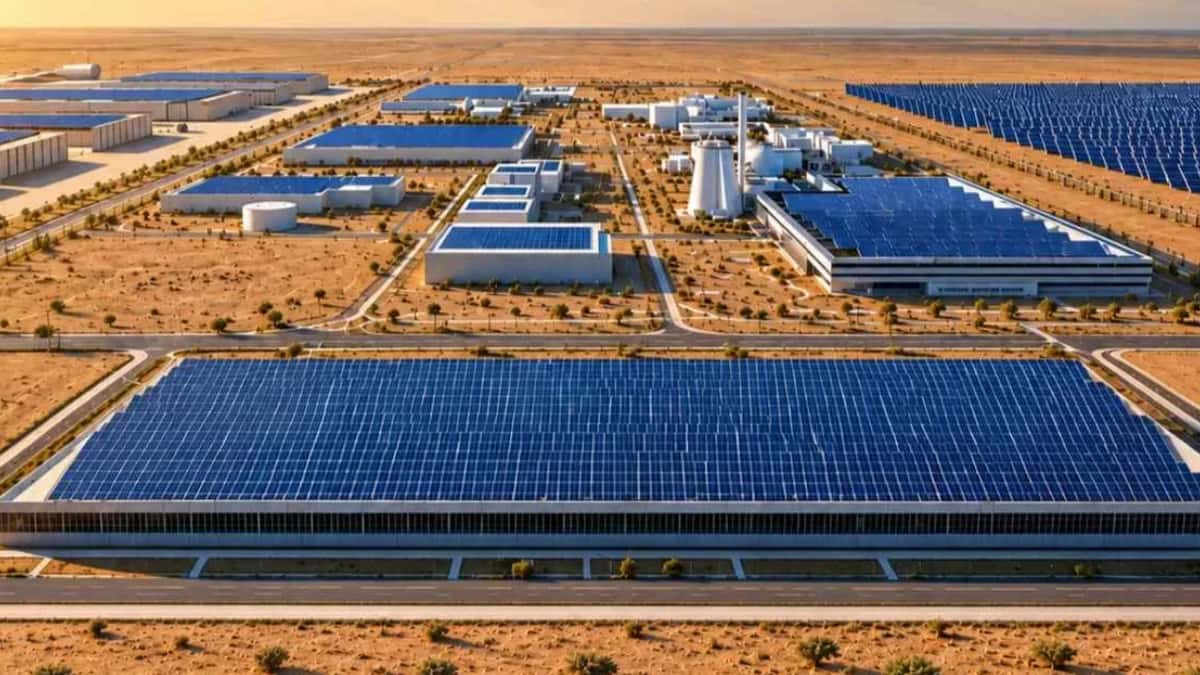
A 50 MW starting load would run continuously in a solar-rich region, putting storage and grid backup at the centre of the design.
Why it matters: A potential new industrial-scale electricity buyer could create demand for renewable generation, storage and grid connections in northern Chile.
21 companies — responded to Desarrollo País’s information request.
50 MW — reference demand for the campus’s initial stage.
Up to 1 GW — a possible long-term expansion scenario, not committed consumption.
394–438 GWh a year — theoretical consumption at 50 MW operating at a 90%–100% load factor.
Desarrollo País received responses from 21 Chilean and international companies on electricity supply options for a planned artificial intelligence campus in Antofagasta, but has not selected a power supplier or campus operator. The state-owned company said it will assess technical solutions, commercial terms and delivery schedules before deciding whether to seek formal proposals.
The information-gathering process ran from 25 September to 13 November 2026 and involved companies in renewable generation, energy storage, data centres and specialist engineering. The initial reference demand is 50 megawatts (MW), with implementation envisaged over two to three years, subject to feasibility and subsequent project decisions.
A continuous load meets a solar-heavy power system
The 50 MW figure covers the campus as a whole, including computing equipment, cooling and auxiliary services. Desarrollo País’s technical documents assume continuous operation, with a load factor close to 90% or 100%. On that basis, a 50 MW installation could use about 394–438 gigawatt-hours (GWh) annually. That is a theoretical estimate, not contracted or committed demand.
Antofagasta has substantial solar generation, but output is concentrated during daylight hours. The campus’s computing operations would require power around the clock, so options under review may combine solar generation with battery storage, grid supply and other generation sources. The company has also asked how much of the campus’s demand could be covered by renewable energy on an hourly and annual basis. A renewable supply contract alone would not establish that power is renewable at every hour.
The project could add demand in a region where solar and wind generation are sometimes curtailed because of system operating constraints. But a new load would not, by itself, resolve surplus generation or transmission bottlenecks. Cost, available land, grid connections and the ability to provide uninterrupted supply will all affect the viability of proposals.
Expansion remains a scenario, not a commitment
Desarrollo País has considered a gradual expansion to as much as 1 gigawatt (GW), equivalent to 1,000 MW. The company said that growth would depend on future operators; there are no binding electricity-consumption commitments. The potential scale therefore remains distinct from the 50 MW reference demand for the initial stage.
The campus is also being developed with possible applications for mining, research and regional industries in view. Identified areas include predictive maintenance of mining equipment, analysis of astronomical data and forecasting electricity generation. These remain prospective research and development uses, not services contracted by mining companies. The state-owned company is also considering access to computing capacity for academic institutions and participation by regional suppliers.
Water use is another design issue in the arid region. Desarrollo País has stated an objective of using a cooling system that consumes no water during operation, but technical specifications have yet to be defined.
Consultation does not confer a place in a tender
The responses will be reviewed for costs, security of supply, commercial conditions, implementation schedules and risks. Desarrollo País may seek further information from participants before determining whether to invite proposals from developers, operators and investors. The information request is not a tender, and participation gives companies no rights or preference in later stages.
The contractual counterparty for electricity supply, partnership model and timetable for any future procurement remain undecided. The next step is for Desarrollo País to assess the submissions and determine which options warrant further consideration.
More in Resources
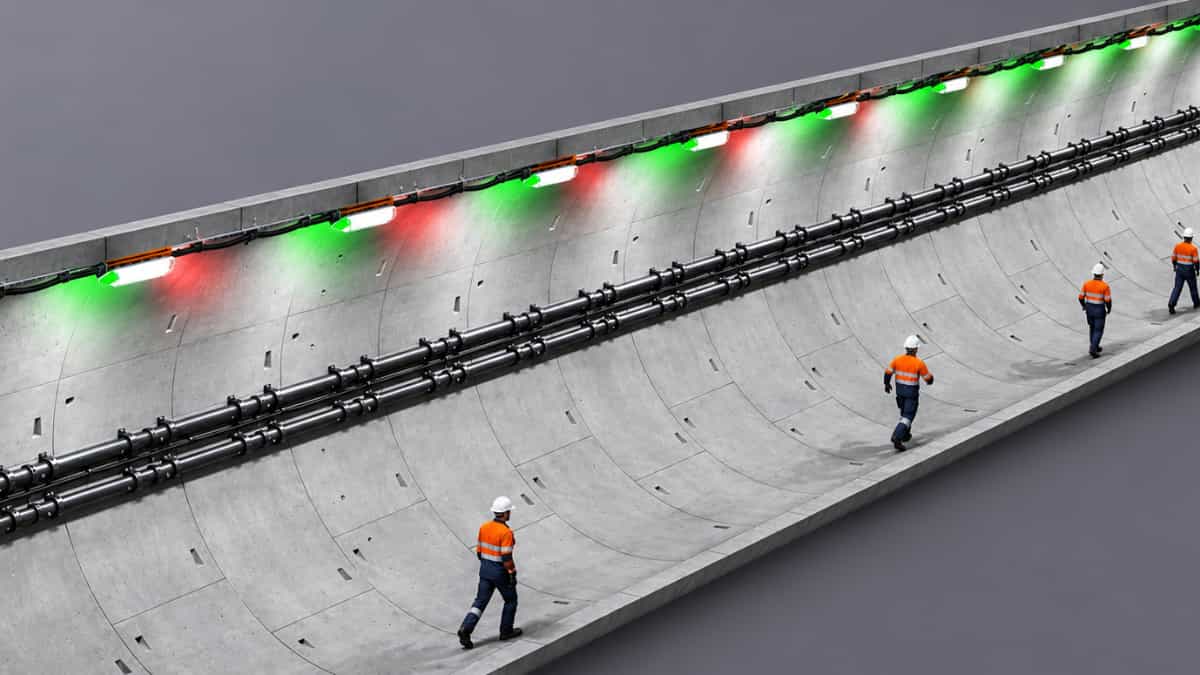
IoT Automation brings smart warning lights to Chilean mines, but safety gains remain unproven
Worker and vehicle tags trigger coloured alerts, but mine operators still need to establish how the system performs in live conditions.
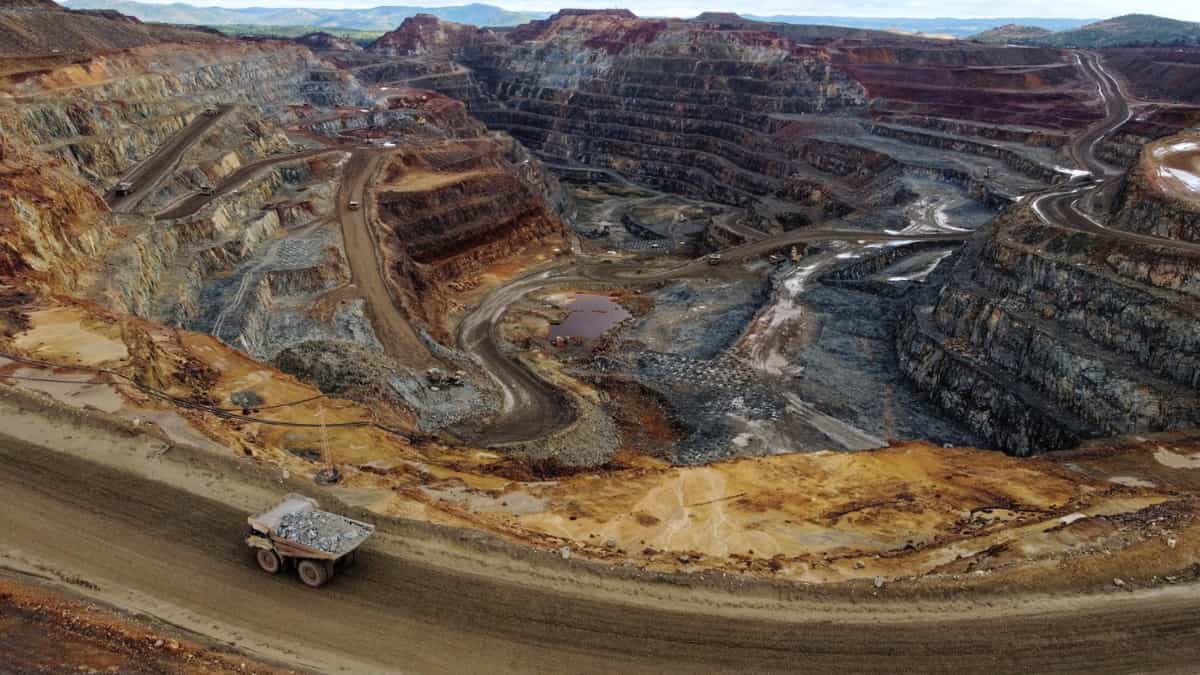
Chile mining delays could erode project values even after environmental approval
A favourable environmental decision can still be followed by litigation that holds up execution and leaves investment decisions exposed.
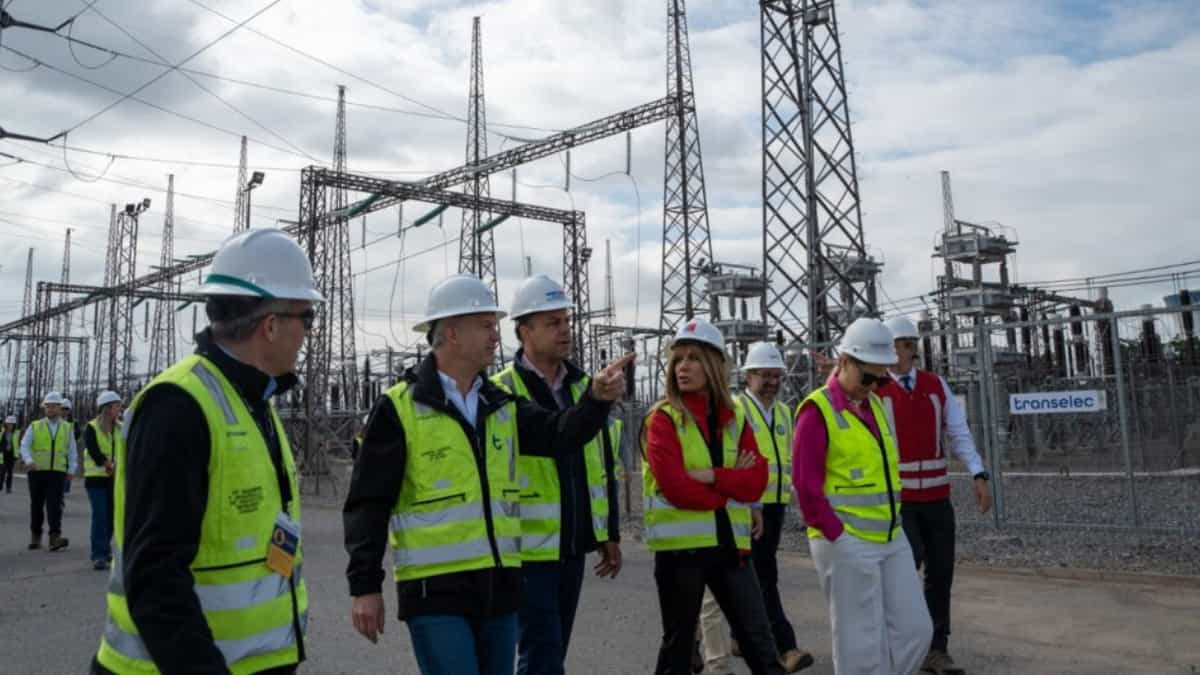
Metro de Santiago power works reach 85%, but Línea 7 still needs an underground link
At Cerro Navia, high-voltage equipment is being integrated before crews connect the substation to the new railway tunnel.