
Chile mining delays could erode project values even after environmental approval
A favourable environmental decision can still be followed by litigation that holds up execution and leaves investment decisions exposed.
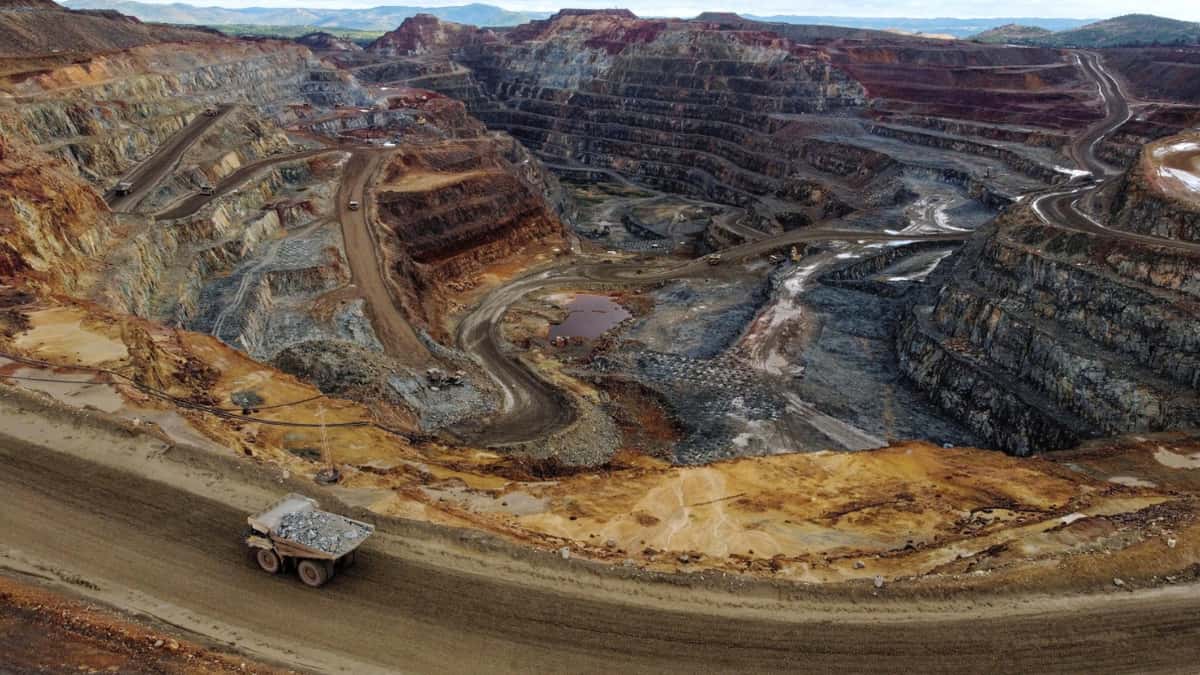
Why it matters: Delays can weaken the economics of Chilean mine development before construction begins, even when a project eventually secures environmental approval.
25% — modeled reduction in present value under a 3.7-year delay scenario
8% — annual real discount rate used in the simulation
995 days — average time to approve an environmental impact assessment in 2024, up from 547 days in 2014
US$104.549 billion — projected investment in Cochilco’s 2025–2034 mining portfolio, as cited in the analysis
GEM Mining Consulting estimates that environmental review and court delays could reduce the present value of a Chilean mining project by as much as 25% in a modeled scenario involving 3.7 years of accumulated delay. The analysis, titled When Approval Is Not Enough: The Cost of Time in Mining Investment, was prepared by the consultancy’s project manager, Paulina Cáceres.
The estimate is a simulation, not a measured loss across projects. It assumes that projected cash flows are pushed further into the future and discounts them at a real annual rate of 8%. It does not account for possible changes in commodity prices, development costs or project design, and does not include every sectoral permit a mine may need.
How the 3.7-year scenario affects present value
GEM’s model estimates that delaying cash flows by one year reduces their present value by about 7%. A delay of roughly 2.5 years corresponds to an estimated reduction of about 17%; at 3.7 years, the modeled decline reaches about 25%. The effect arises because expected revenues arrive later while the investment decision remains exposed to uncertainty.
The longer scenario combines lengthening environmental assessment timelines with potential litigation through Chile’s Supreme Court. GEM cites an increase in average environmental impact assessment approval time from 547 days in 2014 to 995 days in 2024, an 82% rise. It adds an average 458 days for proceedings before an environmental tribunal and a further 448 days if a case proceeds to the Supreme Court. Together, those additional periods amount to approximately 3.7 years.
The figures describe a potential financial cost of waiting, not the outcome for every project subject to environmental review. Actual schedules and economics will depend on project circumstances, including the permitting process and whether legal challenges proceed.
El Alto shows how approval can remain subject to challenge
GEM points to Prospección Minera El Alto, a project by Compañía Minera Nevada, a Barrick subsidiary, in Alto del Carmen, Atacama Region. The project received environmental approval on January 30, 2026. On November 10, Chile’s Second Environmental Tribunal ordered a 30-day suspension of the approval’s effects.
The tribunal’s measure is provisional and is not a final ruling on the project’s legality. The case nevertheless illustrates why an environmental qualification resolution, known as an RCA in Chile, may not end uncertainty or allow all authorized work to begin immediately. Companies may still face claims, comply with permit conditions and obtain other applicable authorizations.
GEM says environmental certainty has three dimensions: the time needed to secure approvals, the scope of requirements and the legal stability of decisions once made.
More obligations add to the permitting workload
A separate National Commission for Productivity and Quality (CNEP) study reviewed 3,728 approved resolutions from 2015 to 2024 and found that the average number of obligations per project rose considerably. Mining recorded the largest sectoral increase, at 337%. The commission attributed the trend mainly to more intensive and detailed application of existing rules, rather than necessarily to new regulations.
GEM also cited Cochilco’s 2025–2034 mining investment portfolio, in which 44% of projected investment remained subject to environmental approval. That portfolio totalled US$104.549 billion. The absence of an RCA does not by itself mean a project is delayed, particularly when it remains at pre-feasibility or technical development stages.
The cited approval share belongs to that earlier portfolio and should not be applied to Cochilco’s updated 2026–2035 outlook. Released on November 19, the updated portfolio totals US$111.149 billion and includes 72 initiatives, 6.3% more than the previous record. GEM’s analysis makes permitting timelines and potential litigation inputs to investment assessments; project-specific outcomes remain dependent on the applicable reviews and proceedings.
More in Resources
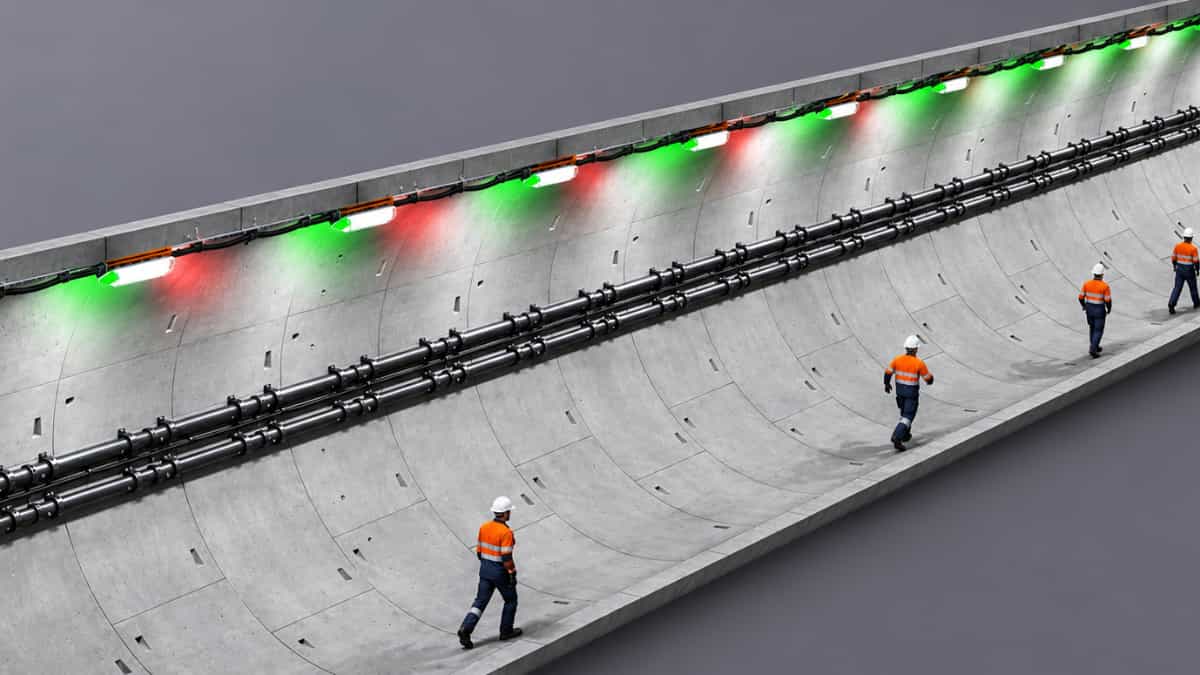
IoT Automation brings smart warning lights to Chilean mines, but safety gains remain unproven
Worker and vehicle tags trigger coloured alerts, but mine operators still need to establish how the system performs in live conditions.
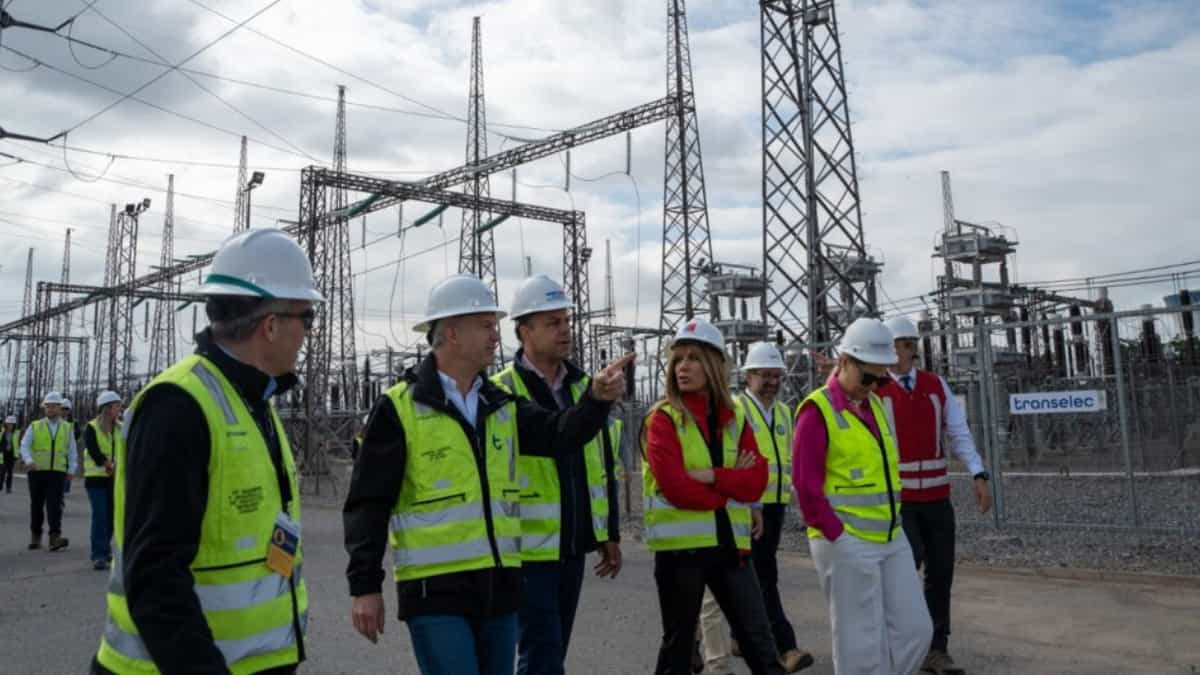
Metro de Santiago power works reach 85%, but Línea 7 still needs an underground link
At Cerro Navia, high-voltage equipment is being integrated before crews connect the substation to the new railway tunnel.

Antofagasta AI campus draws 21 power responses, but no supplier is chosen
A 50 MW starting load would run continuously in a solar-rich region, putting storage and grid backup at the centre of the design.