
US data centers generated 25.7Mt of power-linked CO₂, but grid mix matters
A Harvard assessment of 403 large facilities shows why the climate cost of digital infrastructure cannot be judged by electricity use alone.
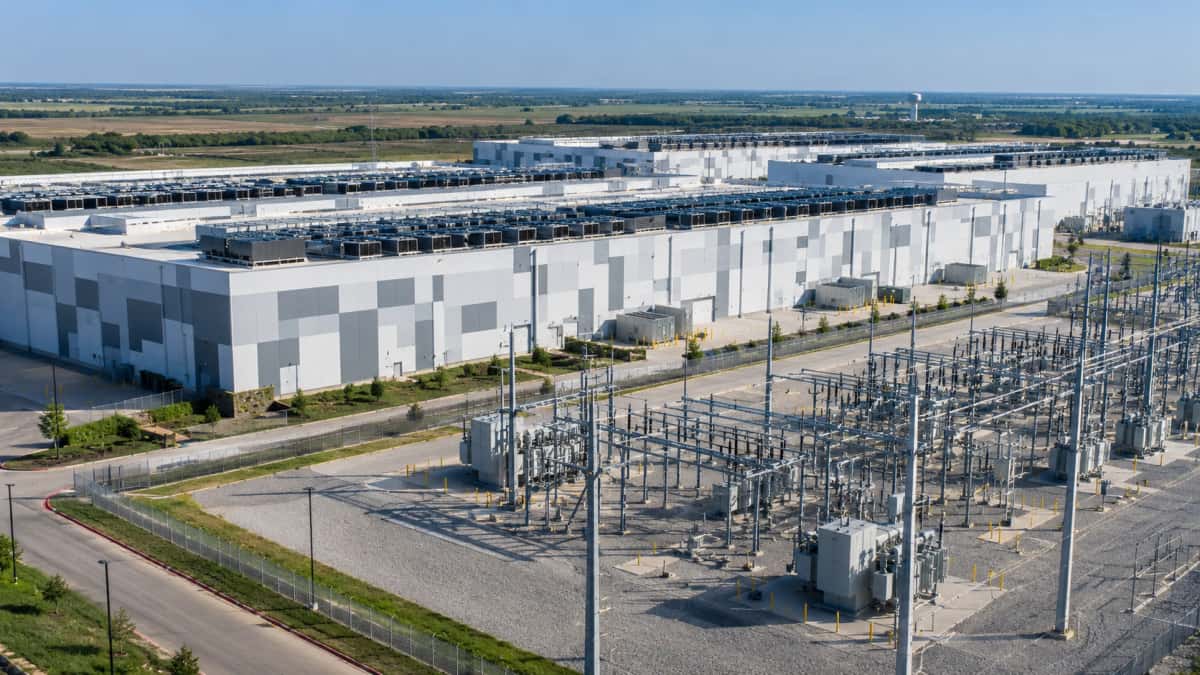
Why it matters: Data center growth links digital infrastructure to power-system emissions and could add to demand for the materials used in electricity networks.
403 facilities — large-scale US data centers covered by the study.
25.7 million metric tonnes — estimated CO₂ associated with their electricity use.
May 2024 to April 2025 — period covered by the emissions estimate.
Harvard researchers estimated that electricity consumed by 403 large-scale US data centers was associated with about 25.7 million metric tonnes of carbon dioxide from May 2024 to April 2025. The study, published in Nature Sustainability in November 2026, examines the environmental footprint of infrastructure expanding alongside digital services and artificial intelligence.
The estimate is tied to electricity use, rather than identifying all emissions as coming directly from the facilities. Its climate significance depends in part on the sources used to generate the power. Two data centers with similar electricity consumption can therefore have different associated emissions depending on where they operate and the local generation mix.
Electricity source shapes the footprint
Data centers use power to run servers, storage and communications equipment around the clock. Cooling and other operational systems add to their electricity requirements. As demand for computing capacity grows, AI applications may contribute to the need for more infrastructure, but the study does not attribute all electricity consumption at the facilities to AI.
The findings underline why assessments of digital infrastructure need to account for both electricity consumption and its source. They also point to the demands that new industrial loads can place on generation and transmission systems. The research does not, in the information reported, establish a breakdown of emissions by facility or technology.
More infrastructure means more materials
Data center expansion also requires physical equipment and supporting power infrastructure. Copper is used in conductors and electrical distribution equipment because of its electrical and thermal conductivity. Transformers, cooling systems and other components also rely on specialised materials.
If construction drives additional investment in generation and transmission, it could add to industrial demand for some minerals. The scale of that demand will depend on the technologies deployed and the pace at which new facilities are built; the study does not quantify a resulting increase in copper or other mineral consumption.
Chile’s opportunity depends on grid capacity
Chile’s solar and wind resources and its mining sector put the country in a position to supply energy and materials relevant to digital infrastructure. But building data centers locally would also require adequate power, water, land and grid connections. New large consumers would need to be coordinated with generation and network investment to avoid adding pressure to local electricity systems.
The study also highlights the need for comparable data on facility energy use and emissions. Assessments should distinguish emissions associated with purchased electricity from direct emissions and account for differences between modelled estimates and operational measurements. The climate and materials implications of data center growth will depend on the power mix, the efficiency of facilities and the pace of new construction.
More in Resources
Gold falls below US$3,500 as 2027 mine budgets face a price test
Companies are setting exploration and investment plans while US inflation data challenges the price assumptions behind project economics.
Selenium Isotopes Trace Subducted Material Into New Oceanic Crust
The trench-to-ridge connection spans deep mantle processes, and rocks formed at its far end may hold the evidence.
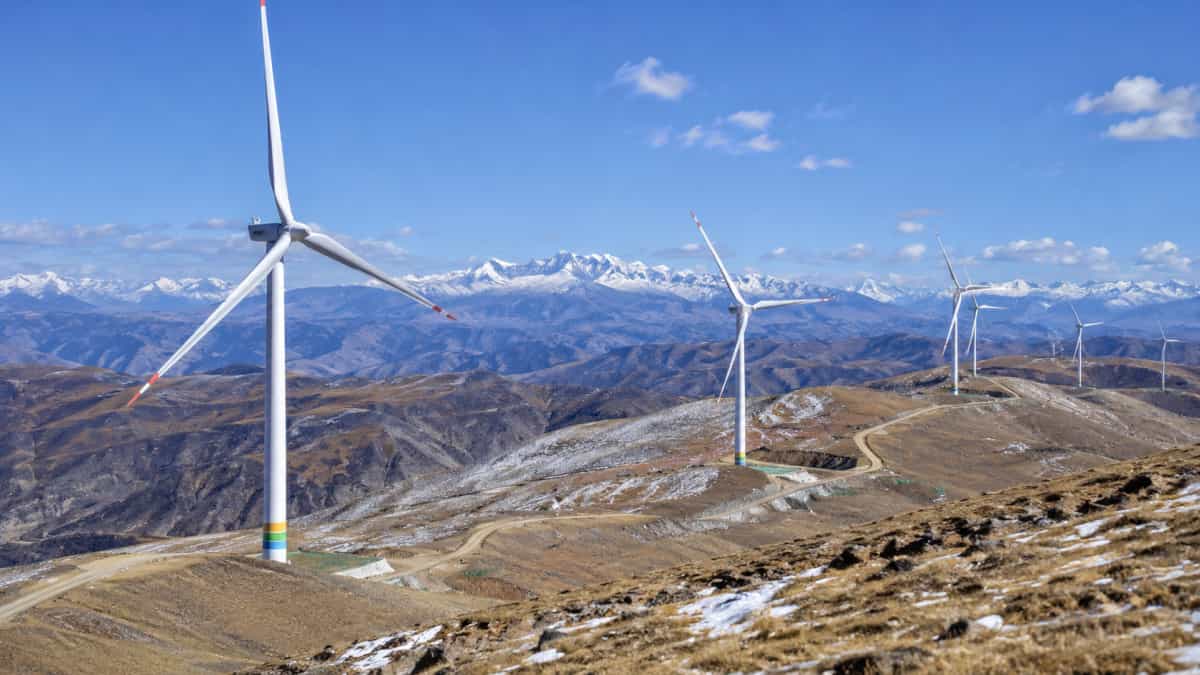
China connects Qiongjie’s first turbines, while the 500 MW target remains ahead
At roughly 5,100 metres, thinner air affects energy capture and cooling, while cold and logistics add operational constraints.