
China connects Qiongjie’s first turbines, while the 500 MW target remains ahead
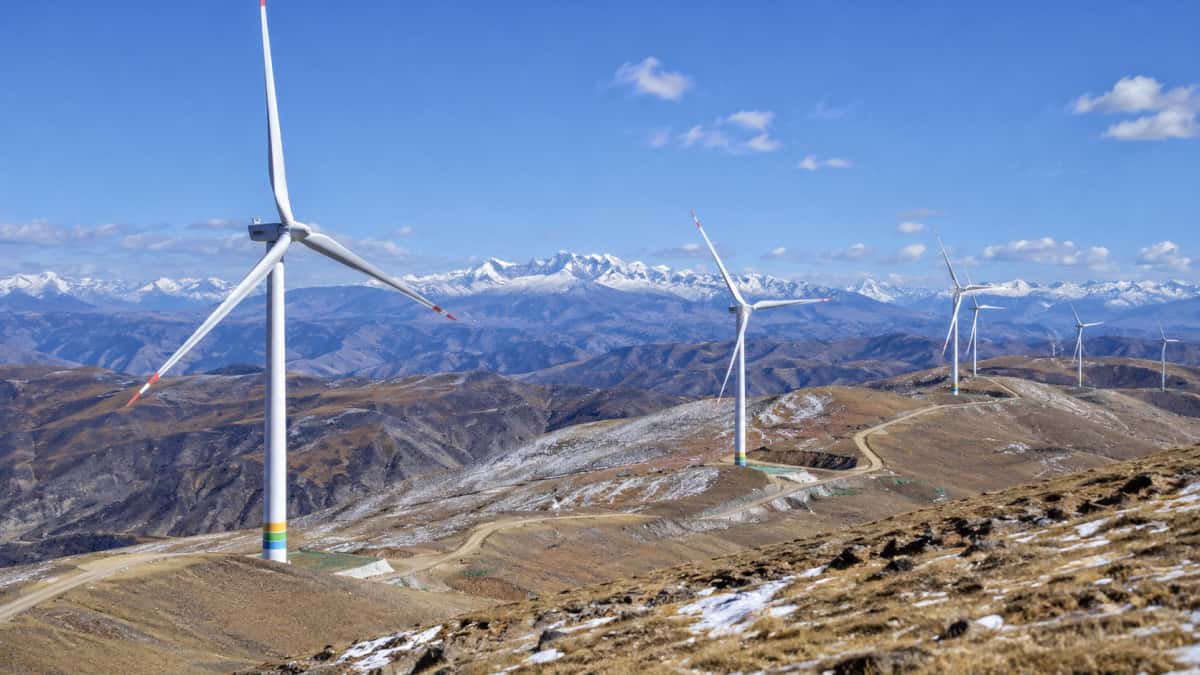
At roughly 5,100 metres, thinner air affects energy capture and cooling, while cold and logistics add operational constraints.
Why it matters: Qiongjie’s initial grid connections will test whether large-scale wind generation can operate reliably in conditions relevant to remote, energy-intensive sites.
500 MW — planned installed capacity for the full complex
150 MW — capacity in the first phase, from 24 turbines
About 5,100 metres — approximate elevation of the project area
More than 8 m/s — average wind speeds reported across the mountainous sites
China Huadian Corporation began connecting the first units of its Qiongjie wind project to the grid in Tibet during November 2026. The complex is planned to reach 500 MW, but the initial phase comprises 24 turbines rated at 6.25 MW each, for a combined 150 MW; the full planned capacity is not yet available from these connections.
The project is located in mountainous terrain at approximately 5,100 metres above sea level. Turbine installation began in June 2026 and continued through October, ahead of the first grid connections. The company’s development brings large-scale wind infrastructure into an environment where engineering and operating conditions differ from those at lower elevations.
First connections cover 150 MW
The 24 turbines in the first phase are spread across sites where average wind speeds exceed 8 metres per second. Their combined nameplate capacity is 150 MW, less than one-third of the complex’s planned 500 MW total. The distinction matters: the start of grid connections marks an operational step, not completion of the full project or confirmation that all planned capacity is generating electricity.
At high elevation, lower air density affects how much energy a turbine can extract from the wind. It also changes operating conditions for cooling systems and electrical components. The project’s performance will therefore depend not only on the available wind resource, but also on how equipment operates under those atmospheric conditions.
Cold temperatures, solar radiation and ice formation add further demands. Construction also required the movement of large components through an area where road access is constrained, alongside lifting and assembly work at altitude. Those tasks require specialist equipment and crews working in conditions with less available oxygen.
Relevance to remote industrial power supply
Qiongjie offers a potential reference point for high-altitude infrastructure, including in Chile, where many mining operations are located in the Andes. Wind generation near industrial sites could diversify electricity supply where wind resources, access and grid connections support a project. Wind may also complement solar generation when their production profiles differ.
But a strong wind resource alone does not establish economic viability. Assessments must account for construction and maintenance costs, transmission, storage and the amount of generation available when required. Variable wind output also makes storage and control systems relevant to grid stability, particularly for mines whose concentrators, pumps and processing equipment need reliable electricity.
The first Qiongjie connections will provide experience with wind infrastructure under extreme atmospheric conditions. The stated 500 MW remains the planned capacity of the complex; the first phase’s 150 MW is the capacity covered by the 24 installed turbines.
More in Resources
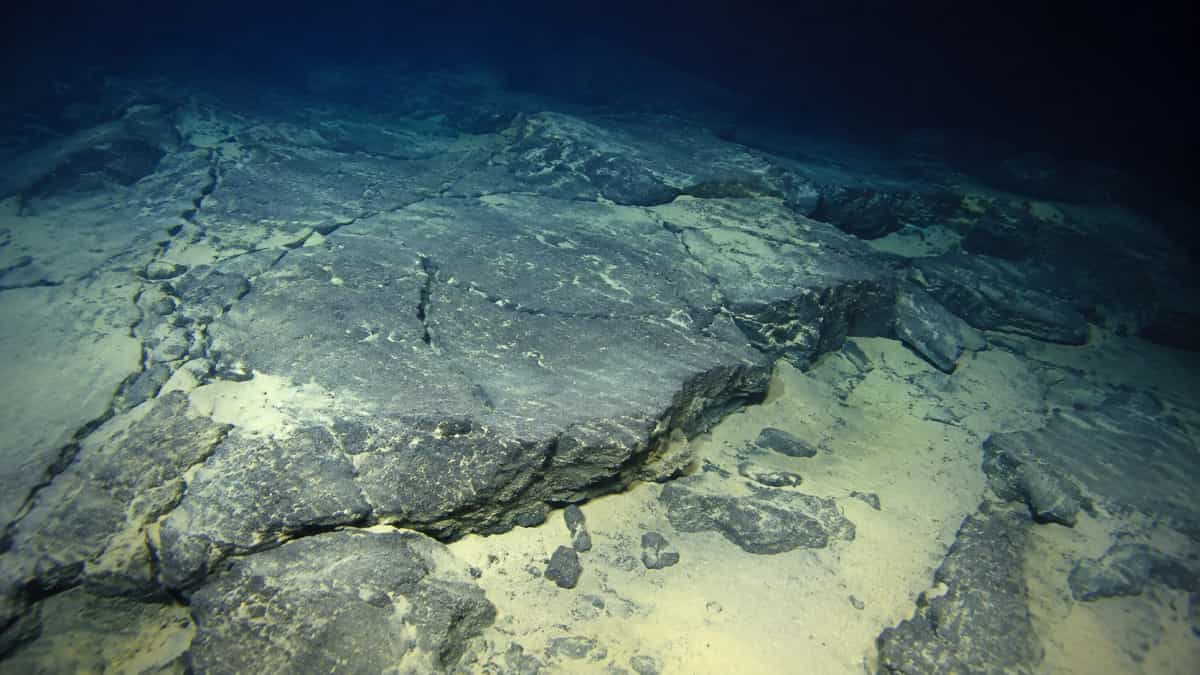
Pacific volcanic fragments challenge assumptions about eruptions below 6,000m
At these depths, water pressure restricts gas expansion, leaving the recovered material to test how magma could have fragmented.
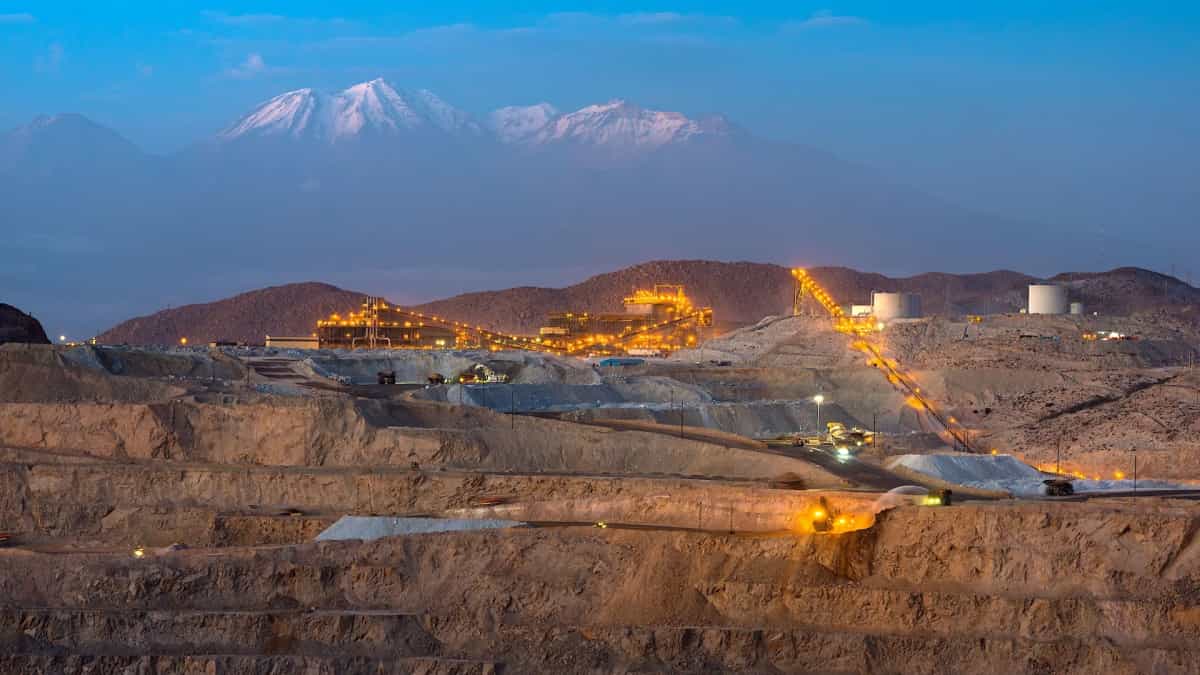
US-China tariff threat leaves Chile and Peru copper earnings exposed to China
Copper accounted for 52.5% of Chile’s export value through October, while the proposed US measure targets Chinese goods.
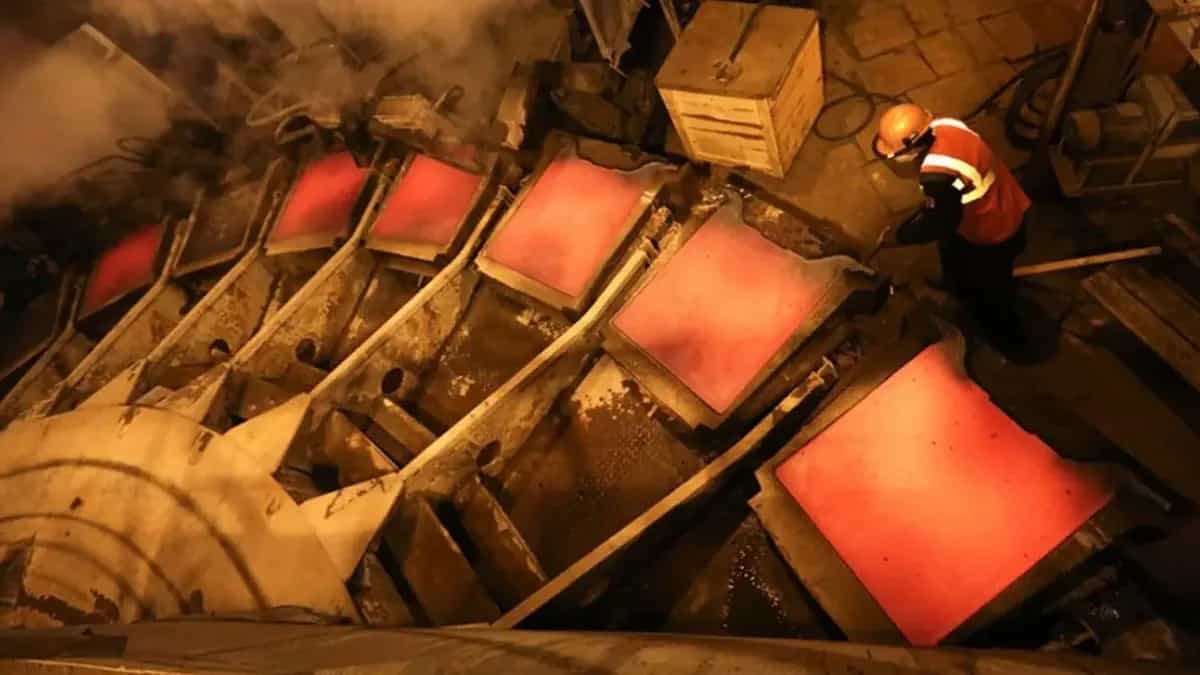
Copper's 12-session slide puts Chile's 2027 budget assumptions under strain
Chile's fiscal rule separates temporary price moves from structural revenue as mine output heads for a multi-decade low.