
Pacific volcanic fragments challenge assumptions about eruptions below 6,000m
At these depths, water pressure restricts gas expansion, leaving the recovered material to test how magma could have fragmented.
Why it matters: Evidence of fragmented volcanic deposits in the deep Pacific could refine models of how oceanic crust forms and how hydrothermal systems mobilise metals.
More than 6,000 metres — depth of the Pacific deposits described in the investigation.
About 600 times — the pressure at that depth compared with atmospheric pressure at sea level.
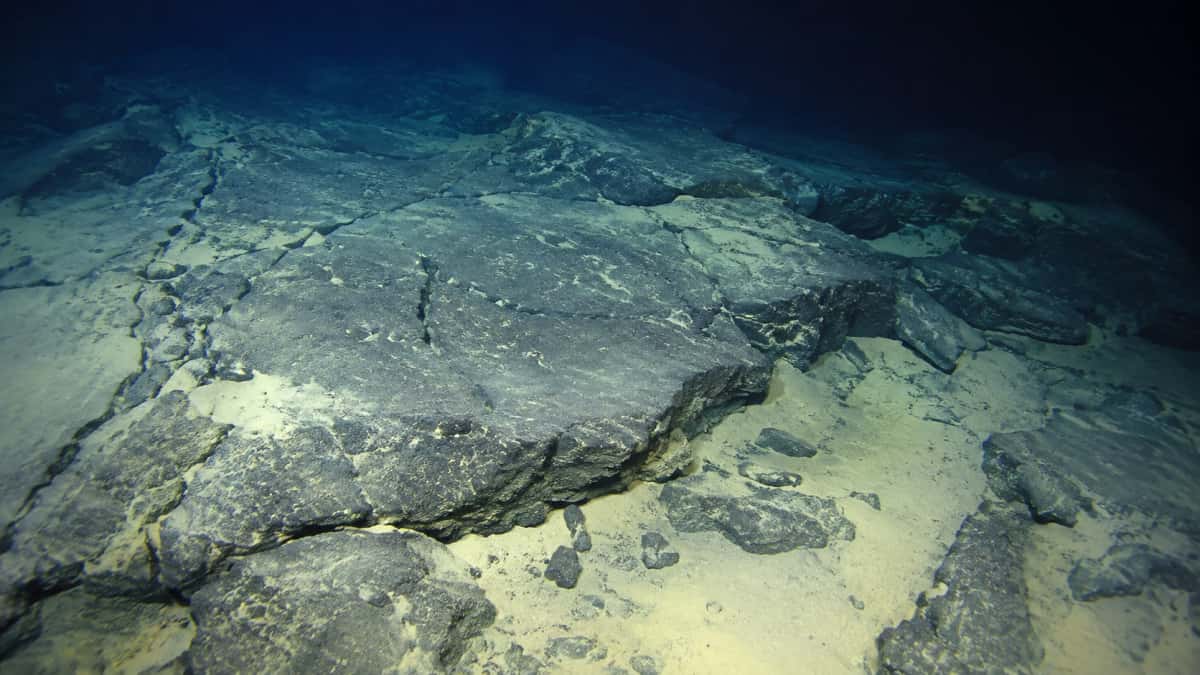
Robotic submarine technology has enabled researchers to recover material associated with explosive volcanic eruptions more than 6,000 metres beneath the Pacific Ocean, in a setting where water pressure is thought to hinder the magma fragmentation that drives such activity.
The recovered material has characteristics that researchers link to volcanic fragmentation at great depth. The finding challenges a long-standing constraint in models of deep-sea eruptions, but it does not yet establish the precise mechanism that formed the deposits.
Pressure complicates deep-sea fragmentation
At around six kilometres below the surface, hydrostatic pressure is approximately 600 times atmospheric pressure at sea level. In shallower eruptions, falling pressure can allow volatile components in magma to expand rapidly and help break the magma apart. At depth, the surrounding water restricts that expansion.
That contrast has led scientists to view explosive eruptive mechanisms as more constrained in deep-water settings. Fragmentary deposits from such depths offer material for testing how fragmentation might occur despite those conditions, and for considering whether mechanisms other than rapid volatile expansion are involved. The available findings do not identify a specific alternative process.
The Mariana system provides the tectonic setting
The investigation is linked to the Mariana tectonic system, where the Pacific Plate descends beneath the Mariana Plate. Subduction can generate magma through interactions between material from the oceanic plates and the mantle. Fluids rising through the system can also change the physical and chemical conditions in surrounding rocks.
Much of this activity occurs far below the reach of conventional observation. Robotic vehicles can collect samples, capture high-resolution images and map deposits directly, adding evidence to areas previously studied mainly through indirect methods. The reported material is associated with explosive volcanism, but its composition, age and formation process require further analysis.
Mineral implications remain indirect
Deep-sea volcanic environments also help researchers understand hydrothermal systems, in which fluids circulate through hot rocks and transport chemical elements. Changes in temperature, pressure or fluid composition can cause minerals to precipitate. Some volcanogenic massive sulphide deposits now mined on land formed in ancient submarine environments and can contain copper, zinc, lead, silver or gold.
The recovered volcanic material does not, by itself, demonstrate an economically viable metal deposit. Its immediate value is geological: improving models of oceanic crust and the processes that may accompany its formation. Further work on the samples’ composition, age and genesis will be needed to establish what produced the deposits.
More in Resources
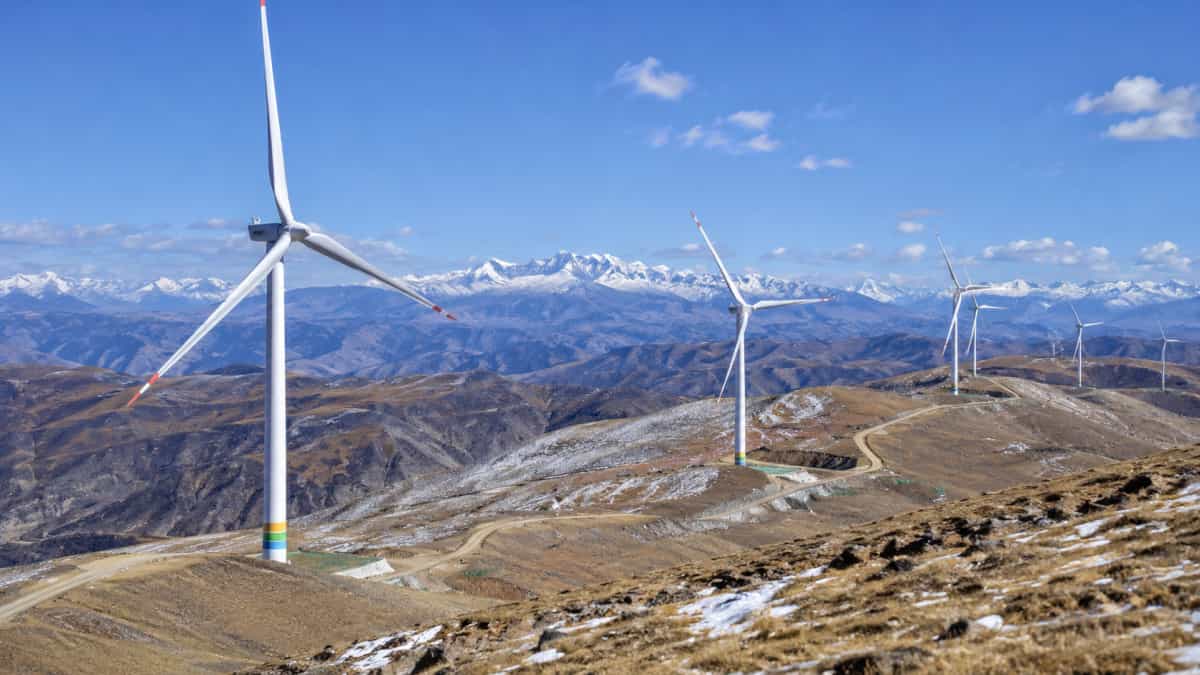
China connects Qiongjie’s first turbines, while the 500 MW target remains ahead
At roughly 5,100 metres, thinner air affects energy capture and cooling, while cold and logistics add operational constraints.
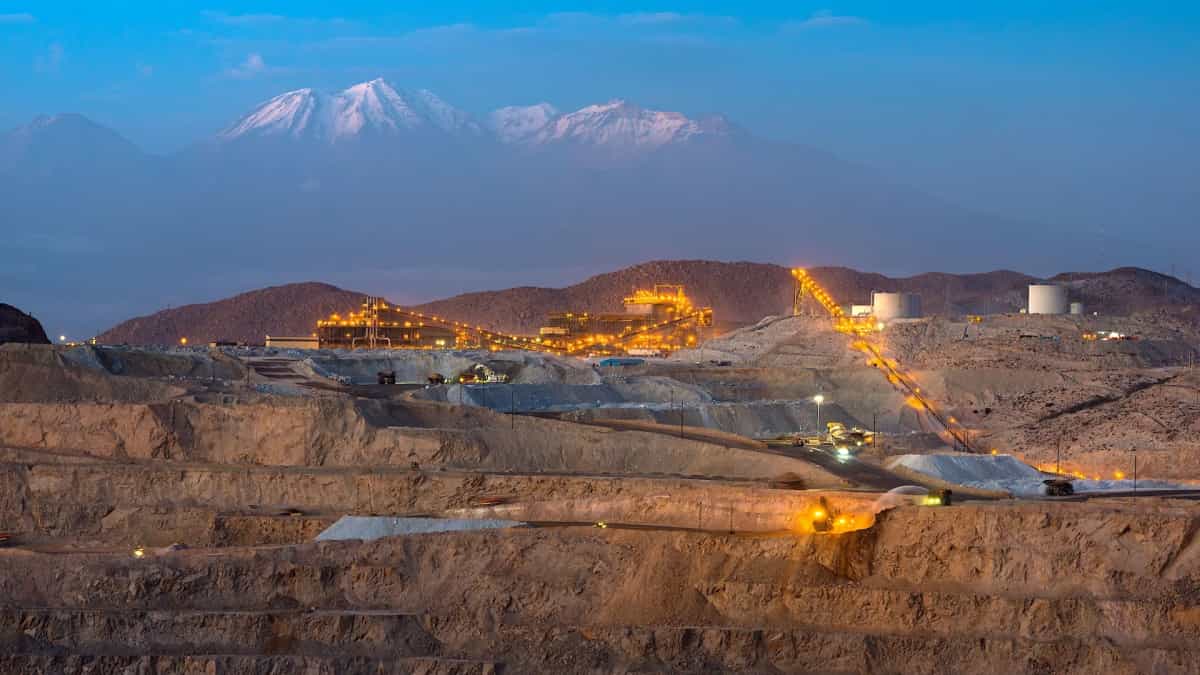
US-China tariff threat leaves Chile and Peru copper earnings exposed to China
Copper accounted for 52.5% of Chile’s export value through October, while the proposed US measure targets Chinese goods.
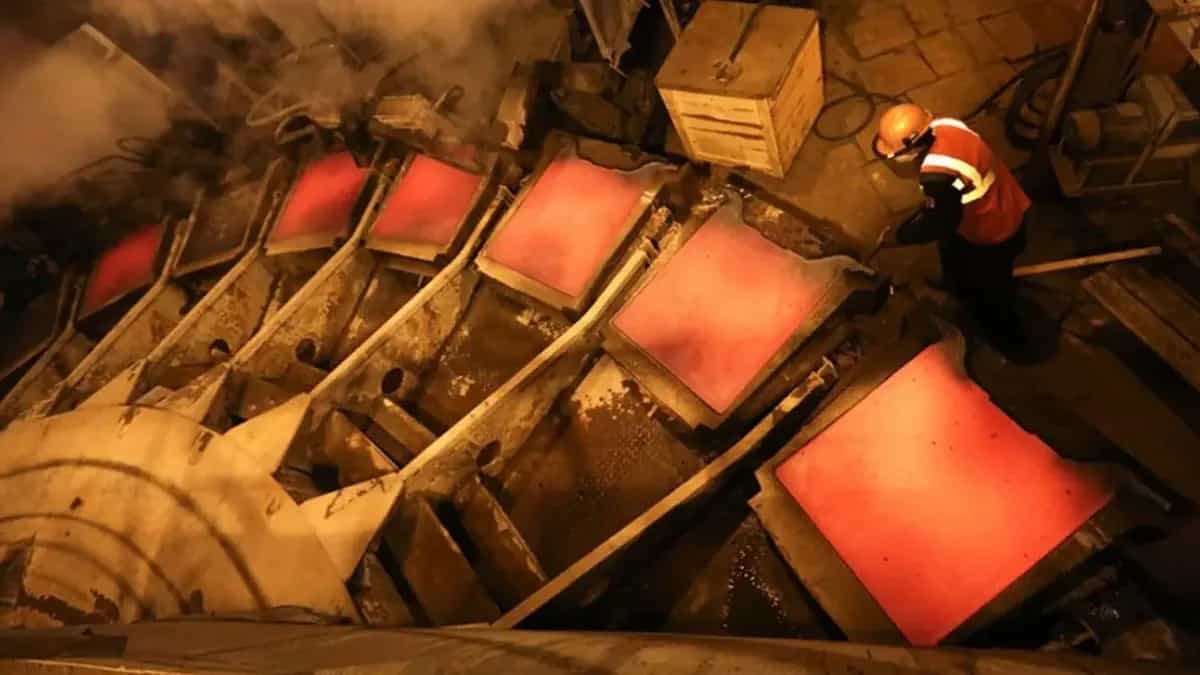
Copper's 12-session slide puts Chile's 2027 budget assumptions under strain
Chile's fiscal rule separates temporary price moves from structural revenue as mine output heads for a multi-decade low.