
Spain's proposed retrofit aid could cover all eligible costs, but households cannot apply
The draft includes rented homes, but intermediaries would handle applications and owners would face a three-year rent-and-occupancy condition.
decoora.com
Why it matters: The proposal could shift some support from recurring energy-bill subsidies to physical home upgrades, but delivery depends on intermediaries and funding limits that are not yet set.
Up to 100% — proposed coverage of eligible costs, subject to a per-home cap
14 January 2027 — deadline for submitting comments on the draft
15.9% — share of Spain’s population unable to keep their home at an adequate temperature in 2025
€650 a year — estimated potential saving in a cited simulation, not a result from this programme
Spain’s Ministry for the Ecological Transition and the Demographic Challenge (MITECO) has put a draft pilot grant programme out for consultation, proposing to fund up to 100% of eligible costs for energy-efficiency works in homes occupied by vulnerable consumers. It is not yet an open application scheme for households: social organisations and local public-sector bodies would apply to the Institute for the Diversification and Saving of Energy (IDAE) and manage the projects.
The proposed order sets out the programme’s framework, but leaves key details—including total funding, the maximum grant per home and the number of homes to be upgraded—to future calls. The draft says financing would come from transfers from Spain’s general state budget to IDAE, with possible contributions from the Social Climate Fund. The proposed programme forms part of the National Strategy against Energy Poverty 2026–2030.
Intermediaries would select homes and manage works
Eligible applicants would include non-profit organisations in the Third Sector of Social Action and entities or companies in the local public sector. Social organisations would need to show at least three years’ registration in the relevant state or regional register before a call is published. They would identify households, agree work with residents and owners, handle applications and account for the funding.
Residents would not apply directly to IDAE. Applications would describe the work, its technical and financial components, and a schedule. The intermediary would also have to document residents’ vulnerability and obtain permission to carry out the work. The draft requires homes to be principal residences occupied by people who qualify as vulnerable consumers under Royal Decree 897/2017 and receive both the electricity and thermal social bonuses. The rehabilitation category focuses on homes occupied by severely vulnerable consumers.
IDAE would score eligible proposals from zero to 100 and rank them until the available budget is exhausted; the call would set detailed criteria. The proposed works include insulation, windows, shading, heating systems, heat pumps, solar energy, lighting and efficient appliances. Measures are indicative, and applicants would have to justify the expected energy savings. The programme is designed for low-cost, fast work that can generally be carried out from inside the home without requiring residents to move out.
Rental homes carry a three-year condition
The draft allows work in rented as well as owner-occupied homes. For a rental property, the owner would have to agree not to raise the rent and to keep the home available to the tenant under the same conditions for three years after the works. If the tenant leaves earlier, the owner would have to offer the home to another qualifying vulnerable tenant for the remainder of that period. The draft provides for repayment of the intervention cost if the condition is breached.
The programme would also train advisers to identify problems in homes, explain energy use and bills, and help eligible residents access social bonuses. Project reporting would include homes treated, measures installed, energy savings and avoided carbon emissions. The draft does not set a national savings target or minimum number of homes.
MITECO cites a study of low-cost interventions in Barcelona, A Coruña, Seville and Madrid that assembled 76 possible solutions. A simulation of a selected package of seven measures estimated 22% more days of thermal comfort without energy consumption and potential savings of up to €650 a year. Those are modelled results, not guaranteed savings or outcomes from this proposed programme. Spain’s statistics office reported that 15.9% of the population could not afford to keep their home at an adequate temperature in 2025, down from 17.6% in 2024 but above 7.6% in 2019.
The public consultation opened on 27 November 2026, with comments accepted from 30 November through 14 January 2027. The draft must still be finalised, and subsequent calls will determine budgets, per-home limits and implementation schedules.
More in Resources
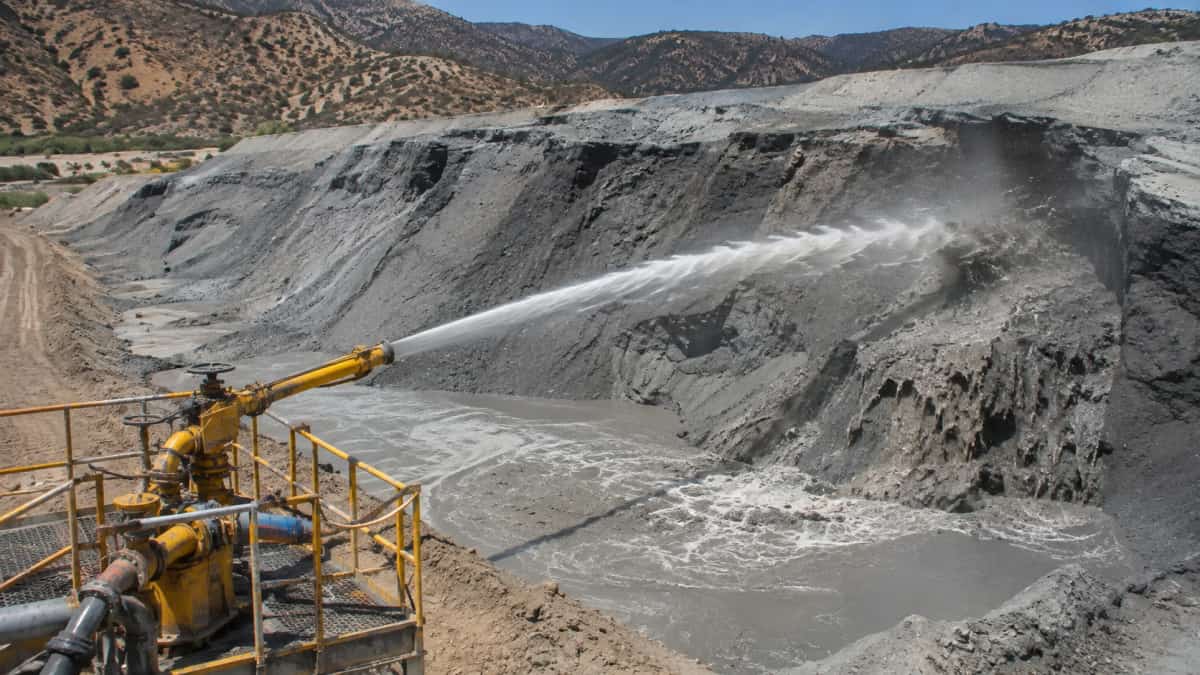
Chile’s 839 tailings deposits offer a supply option, but economics vary by site
Abandoned and inactive sites make up most of the registry, but metal content and remediation costs differ from one deposit to the next.
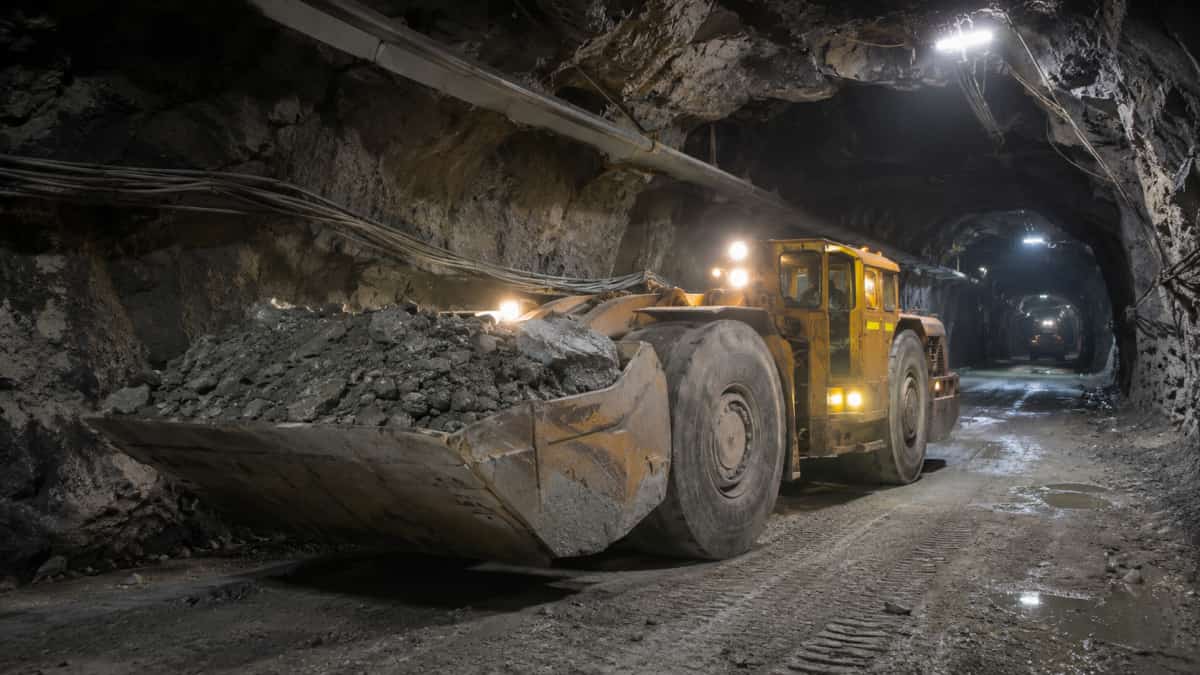
El Teniente’s Andes Norte pause puts Chile’s deep-copper push to the test
As surface deposits mature, Chile’s major operations must reach deeper ore while managing increasingly complex rock conditions.
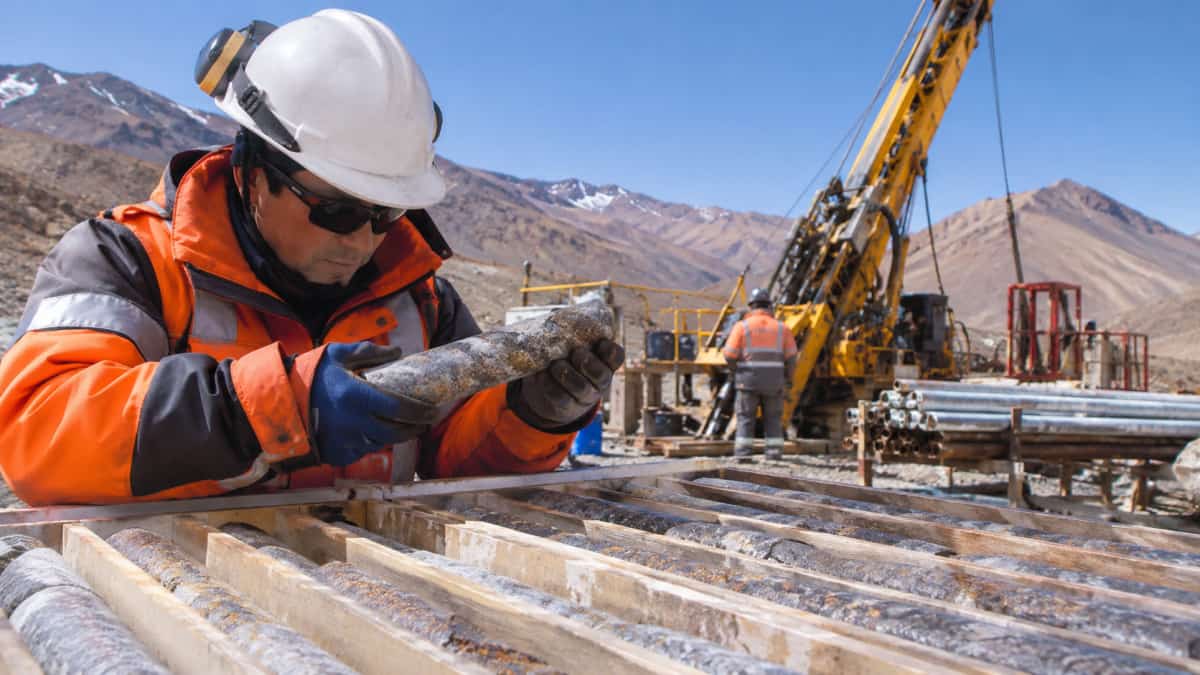
How Chile searches for hidden copper—and why a discovery is far from a mine
Geophysical signals can point to buried mineralisation, but they cannot establish whether a deposit can support an industrial operation.