
Chile’s 839 tailings deposits offer a supply option, but economics vary by site
Abandoned and inactive sites make up most of the registry, but metal content and remediation costs differ from one deposit to the next.
Why it matters: Reprocessing could add metal supply while helping address legacy mine waste, but the business case depends on recoverable grades and responsible management of what remains.
839 deposits — listed in Chile’s 2026 national tailings registry.
81% — the approximate share classified as abandoned or inactive.
90,000 tonnes — illustrative copper recovery from a hypothetical 100-million-tonne deposit.
62.2 million pounds — Minera Valle Central’s reported copper production in 2025.
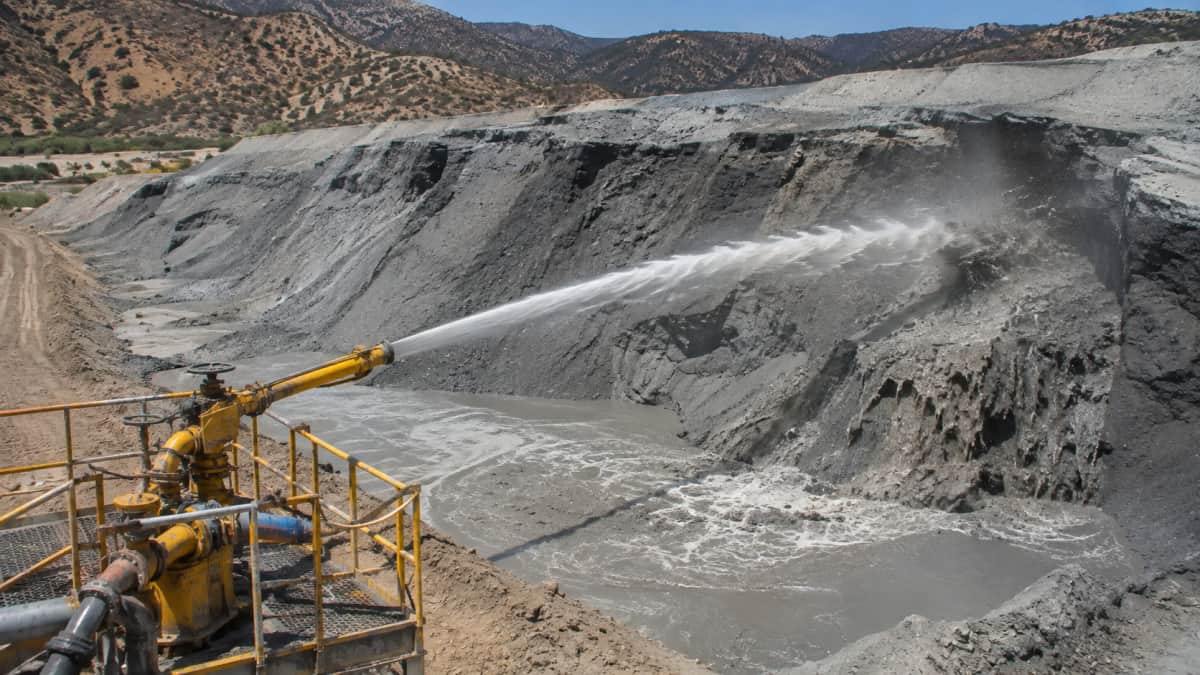
Chile’s 839 registered tailings deposits could supply copper, molybdenum, iron and critical minerals, but only some may support commercially viable reprocessing. The country’s 2026 registry includes 348 abandoned and 331 inactive deposits; together, they account for about 81% of the total. Deposit size, metal content, recovery rates, processing costs and environmental obligations will determine which sites can be developed.
Tailings are materials left after ore has been processed. Modern techniques may recover metals that earlier operations did not extract efficiently, as well as elements that had little commercial value at the time. Reprocessing can reduce the need for some conventional mining steps, including drilling, blasting and primary crushing, but it still requires site-specific engineering, processing and waste management.
Deposit scale does not guarantee economic recovery
Coquimbo contains close to half of the deposits in the national registry, while Antofagasta is notable for the storage capacity associated with large copper operations. The inventory spans sites with different histories and conditions, so its scale alone does not establish how much metal can be recovered or whether a project would be profitable.
An illustrative scenario shows why low grades can attract interest when volumes are large. A hypothetical 100-million-tonne tailings deposit grading 0.15% copper would contain 150,000 tonnes of copper. At an assumed 60% metallurgical recovery, the recoverable amount would be 90,000 tonnes. Using an assumed copper price of US$5 per pound, the source calculation places the gross theoretical metal value at US$992 million.
That figure is not a project valuation, revenue forecast or estimate of reserves. It excludes extraction, processing, transport and marketing costs, as well as capital investment, taxes and environmental obligations. The scenario also does not refer to a specific deposit.
Minera Valle Central provides an operating example
Minera Valle Central, owned by Canada’s Amerigo Resources, recovers copper and molybdenum from fresh and historical tailings from Codelco’s El Teniente Division in the O’Higgins Region. The operation demonstrates that tailings processing can support commercial production where metallurgy, technology and economics align.
Amerigo reported 2025 copper production of 62.2 million pounds, equivalent to 28,214 tonnes, and an average realized copper price of US$4.73 per pound. The company reported net income of US$35.4 million for the year. In the third quarter of 2026, Minera Valle Central produced a further 17 million pounds of copper at a reported cash cost of US$1.55 per pound.
Those operating results are specific to the site and do not establish the economics of other deposits. Tailings differ in mineral composition and physical and chemical properties, requiring processes tailored to each material. Options include advanced flotation, magnetic separation, selective leaching, bioleaching, regrinding and recovery of ultrafine particles. Water recovery and recirculation are also part of the processing challenge.
Critical minerals add a new exploration question
Interest in critical minerals has led researchers to examine tailings for elements that were not historically targeted. A study published in September 2026 identified 46 Chilean deposits with rare-earth concentrations above 150 grams per tonne, including 11 above 300 grams per tonne.
The findings indicate potential for further investigation, not defined resources or commercially recoverable reserves. Surface geochemical samples cannot determine deposit-wide grades or processing performance. Representative sampling, deposit characterization and metallurgical testing would be needed to assess recovery and project economics.
Reprocessing may also support remediation at some abandoned sites, including work to address dust, water contamination, acid drainage or physical instability. Recovering metals does not automatically resolve those risks: residual material still requires appropriate management, and intervention must not transfer environmental liabilities to new facilities. Chile’s 2025–2026 Tailings Agenda includes reprocessing, reuse and voluntary remediation among its priorities; projects will still need proven processes, financing, regulatory certainty and demonstrable returns.
More in Resources
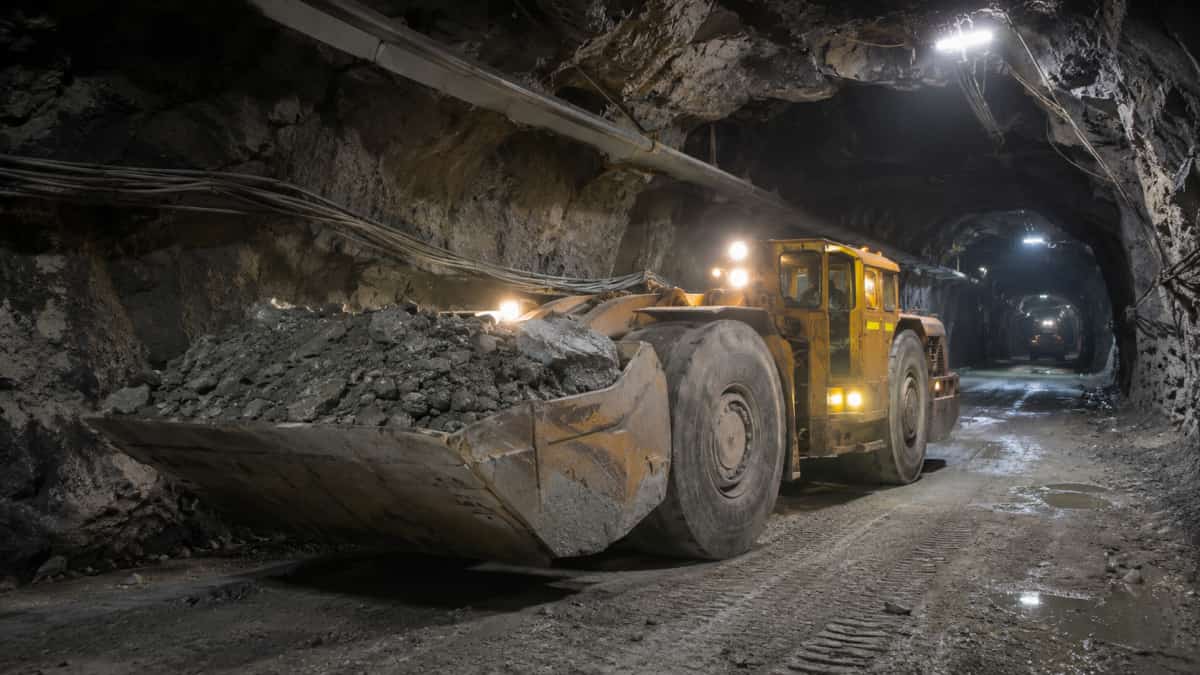
El Teniente’s Andes Norte pause puts Chile’s deep-copper push to the test
As surface deposits mature, Chile’s major operations must reach deeper ore while managing increasingly complex rock conditions.
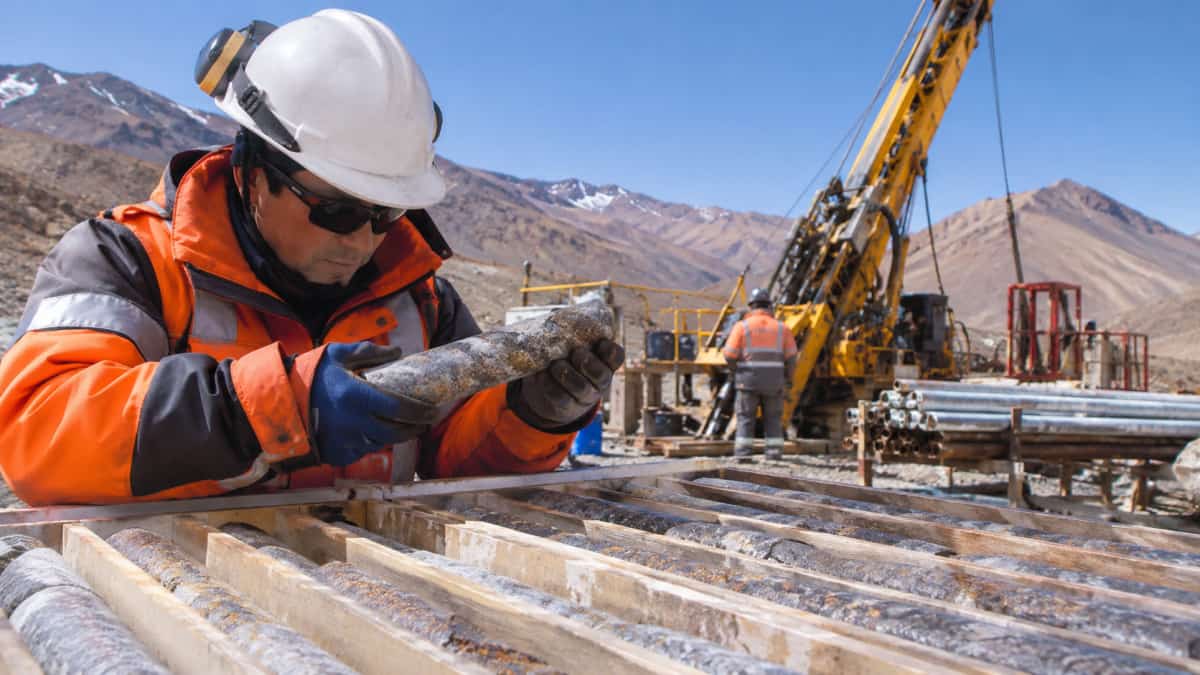
How Chile searches for hidden copper—and why a discovery is far from a mine
Geophysical signals can point to buried mineralisation, but they cannot establish whether a deposit can support an industrial operation.
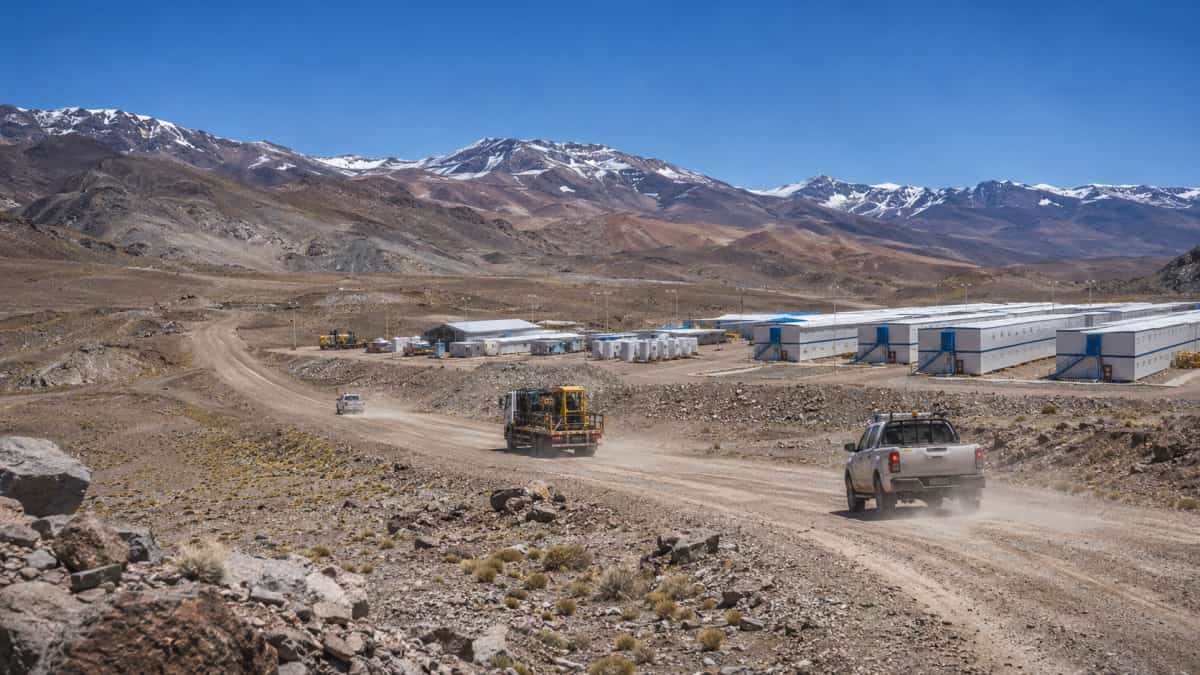
Andes copper deposits put Argentina’s pipeline against Chile’s mining lead
The two countries share a mineral-rich mountain belt, but turning Argentina’s undeveloped deposits into supply will depend on more than geology.