
El Teniente’s Andes Norte pause puts Chile’s deep-copper push to the test
As surface deposits mature, Chile’s major operations must reach deeper ore while managing increasingly complex rock conditions.
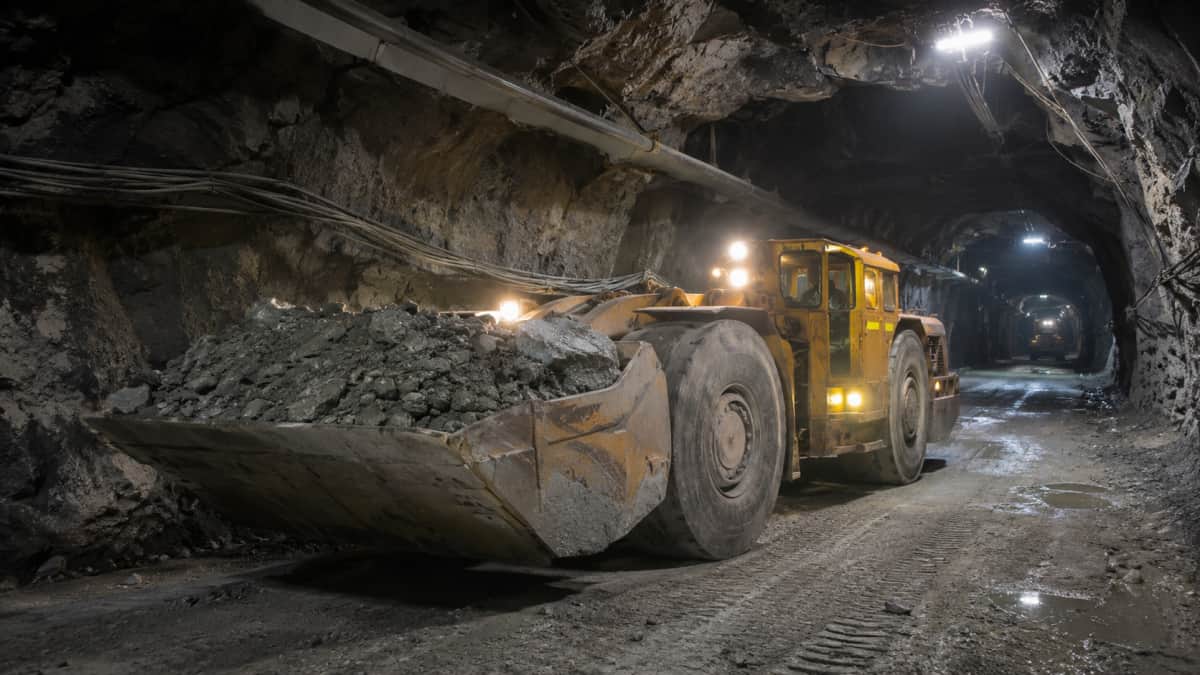
Why it matters: The ability to manage seismic and geotechnical risks will shape how much copper Chile can recover from ageing, deeper deposits.
US$5 billion — Chuquicamata Underground’s initial investment, excluding early works.
140,000 tonnes per day — Chuquicamata Underground’s designed ore-processing capacity.
2 billion tonnes — approximate reserves in the original concept for El Teniente’s deepening projects.
53.0 MPa — illustrative vertical stress estimate at 2,000 metres, not a measurement from a Chilean mine.
Codelco temporarily suspended development and construction activities at the Andes Norte project at El Teniente in August 2026 to investigate the seismic behaviour of the rock mass. The pause puts a central challenge for Chile’s maturing copper mines into focus: accessing deeper resources depends not only on engineering and investment, but also on understanding and controlling the ground conditions around underground workings.
Chile’s large deposits were developed for decades through open-pit mining. As pits deepen, however, the volume of waste rock to be moved, haulage distances, energy demand and slope-stability requirements can weigh on the economics. Underground mining can provide access to resources beneath existing pits, but its viability depends on the characteristics of each deposit and the costs and risks of developing it.
Chuquicamata shows the scale of the transition
Codelco inaugurated Chuquicamata’s underground operation in August 2019, after 104 years of open-pit mining. The project is designed to recover ore beneath the historic pit and extend the division’s operating life.
Its design includes reserves of approximately 1,028 million tonnes grading 0.82% copper, an access tunnel 7.5 kilometres long and a 6.3-kilometre mineral transport tunnel. The planned mine life extension is at least 40 years. These are project design figures, not a statement of current production.
Chuquicamata uses block caving, a bulk-mining method that relies on gravity and rock fragmentation to extract ore. The approach can support large-scale production, but requires substantial upfront infrastructure and detailed knowledge of how the deposit will respond as it is excavated.
Rock behaviour is a project constraint at El Teniente
At El Teniente, the Andes Norte, Diamante and Andesita projects are intended to access additional mineralised areas and support the division’s operation for about 50 years. The original deepening concept included approximately 2 billion tonnes of reserves, averaging 0.86% copper and 220 parts per million molybdenum.
Codelco’s temporary suspension of Andes Norte work is intended to allow further investigation of seismic behaviour in the rock mass. It demonstrates that a large stated resource or reserve does not by itself ensure that a project can be developed on schedule or on its planned terms. Rock stresses, excavation design and the ability to manage seismic hazards can affect development plans and costs.
As a theoretical reference, the supplied estimates put vertical stress at 13.2 MPa at 500 metres and 53.0 MPa at 2,000 metres, assuming an average rock density of 2,700 kilograms per cubic metre. These figures are illustrative, not measurements from a specific operation; actual stresses vary with local geology and tectonic conditions. Excavation can redistribute stresses and cause fracturing, deformation or sudden energy release, including rock bursts.
Deeper mines require integrated systems
Underground operations must manage ventilation, heat, pumping, haulage and power across extensive tunnel networks. Monitoring systems, dynamic ground support, geomechanical models and rock-mass preconditioning are among the measures used to manage ground conditions. Remote-operated equipment, autonomous vehicles and sensor networks can also reduce workers’ exposure in higher-risk areas, but do not replace mine planning, support or safety procedures.
Battery-electric equipment could reduce diesel emissions and heat underground, while requiring charging infrastructure and updated safety protocols. Automation and digital monitoring likewise depend on reliable power, communications and operational systems.
Deep mine development ties up capital before production begins, making construction delays, geotechnical findings and design changes material to project economics. Codelco’s next step at Andes Norte is further investigation of the rock mass before development and construction activities resume.
More in Resources
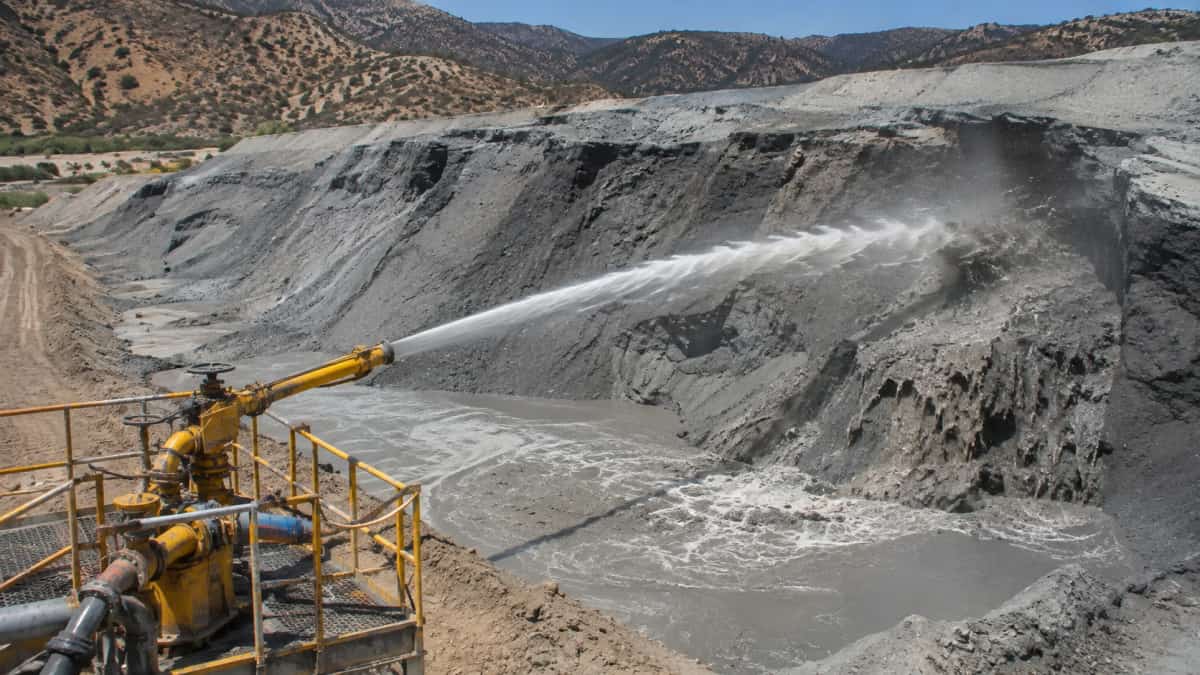
Chile’s 839 tailings deposits offer a supply option, but economics vary by site
Abandoned and inactive sites make up most of the registry, but metal content and remediation costs differ from one deposit to the next.
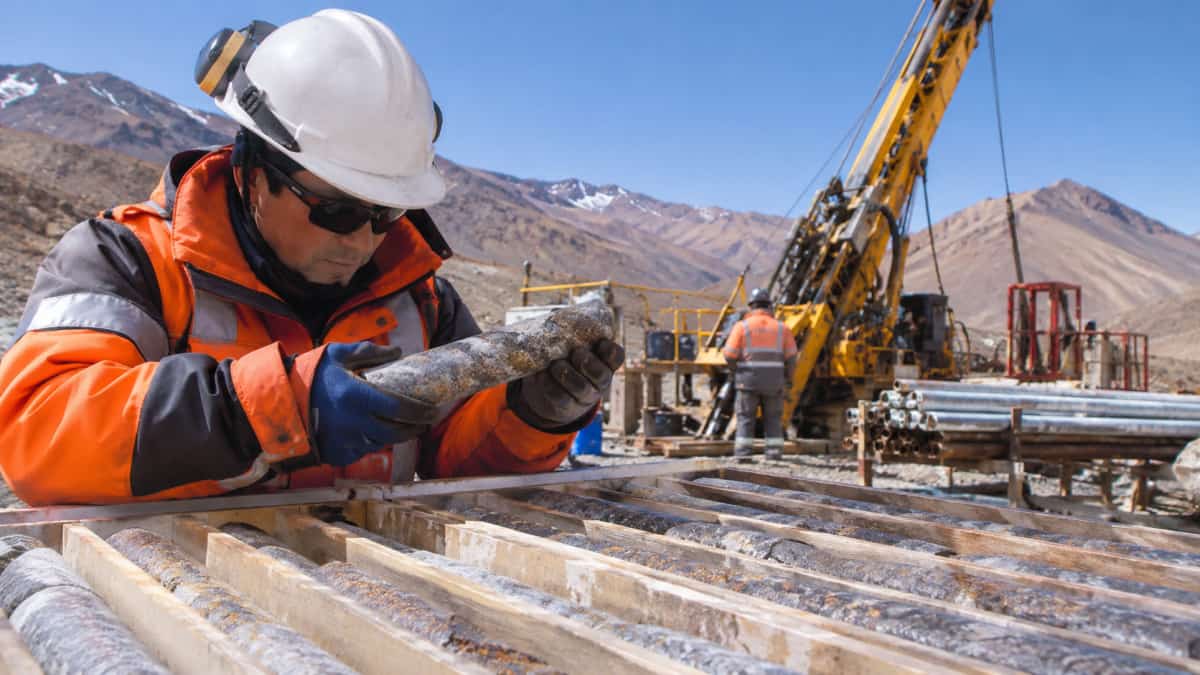
How Chile searches for hidden copper—and why a discovery is far from a mine
Geophysical signals can point to buried mineralisation, but they cannot establish whether a deposit can support an industrial operation.
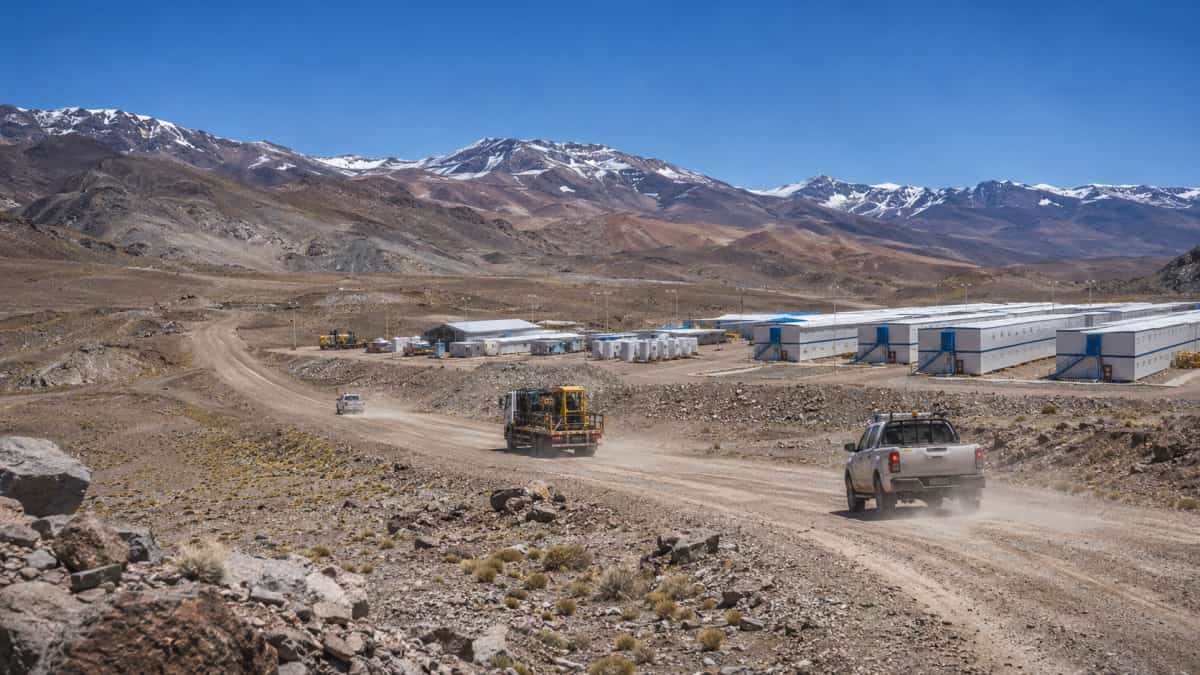
Andes copper deposits put Argentina’s pipeline against Chile’s mining lead
The two countries share a mineral-rich mountain belt, but turning Argentina’s undeveloped deposits into supply will depend on more than geology.