
Sernageomin presses 21 critical safety controls at SQM’s Pampa Blanca
The Antofagasta campaign focuses on whether protections hold during high-risk work as conditions change across the operation.
Why it matters: The controls are intended to prevent fatal and serious incidents by making sure safeguards work during mining tasks, not just in written procedures.
21 controls — the critical safeguards Sernageomin is reinforcing
4 priority areas — the campaign’s main groups of operational risks
November 2026 — when the Pampa Blanca meeting took place
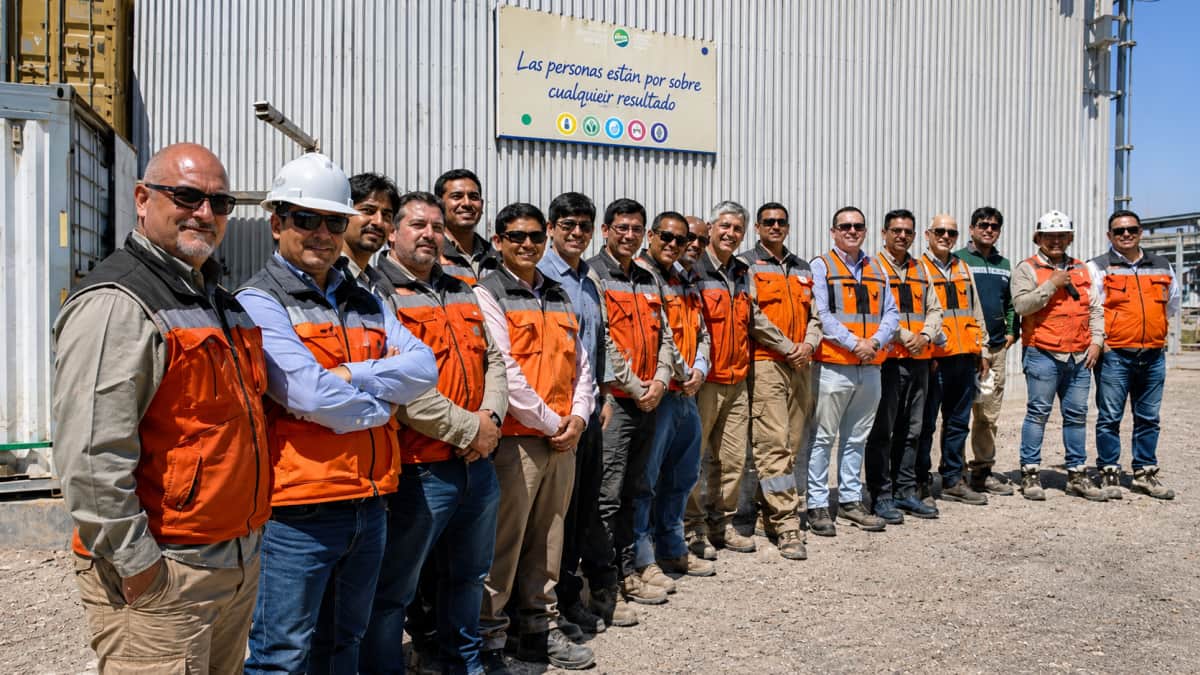
Sernageomin director Mauricio Lorca met workers at SQM’s Pampa Blanca operation in Chile’s Antofagasta Region to reinforce the application of 21 critical controls aimed at preventing serious and fatal accidents. The November 2026 meeting formed part of the national “Volvamos a lo esencial” campaign, which focuses on identifying hazards early, checking preventive measures and following safe procedures before work begins on equipment or installations.
The event also included Ricardo Veas, Sernageomin’s acting regional director for Antofagasta. Workers shared their concerns and experiences directly with the officials. Sernageomin said the campaign’s purpose is to ensure protections operate in the field rather than remain a matter of documentary compliance.
Controls target ground conditions, energy and traffic
The 21 controls cover four areas: ground and territory conditions; hazardous energy and maintenance; mobile equipment and traffic; and organizational factors, worker fitness and closure procedures.
The risks include geotechnical instability, stored energy and suspended loads, as well as collisions and interactions between heavy machinery and people. The safeguards are particularly relevant during maintenance, equipment movements, load handling and work in areas with challenging ground conditions.
These risks can change during a shift, making hazard identification and checks before an intervention important parts of the campaign. Lorca told workers that “no production target is above people’s lives.”
The source of risk also varies by task and site. In open-pit operations, slope stability and vehicle movement can be central concerns; in industrial plants, hazardous energy and maintenance work require attention. The campaign’s framework is intended to address these different operating conditions rather than rely on a single procedure for every task.
Worker input and equipment safeguards
Sernageomin’s approach includes direct engagement with workers, who may identify unsafe conditions or practical problems that administrative reviews do not capture. The agency says workers should be able to flag hazards and stop work when required protective measures are unavailable or not functioning.
Mobile equipment is a particular focus because of the risks created by vehicle size, blind spots, visibility and simultaneous traffic. Proximity detection, fatigue monitoring, satellite positioning and collision alerts are among the technologies available to support prevention. They can complement physical and administrative controls, but do not replace training, traffic planning or supervision.
The campaign also has implications for contractors working alongside mine owners on maintenance, transport, construction and other services. Common preventive standards and clear responsibilities can help address gaps in procedures, risk communication and oversight across different employers.
Regional campaign includes other mine sites
Sernageomin also held preventive activities in November at Pucobre and Minera Candelaria operations in the Atacama Region. The wider campaign includes worker meetings, information activities and inspections intended to strengthen use of the controls.
Antofagasta’s mining sector spans copper, lithium, iodine and other industrial minerals, with different processes and site conditions requiring tailored safeguards. Sernageomin did not report site-specific compliance findings for Pampa Blanca from the meeting; the campaign’s stated test is whether controls are applied and checked during the work itself.
More in Resources
Codelco reviews Chuquicamata pit as unions push to extend mining beyond 2028
A 22% first-half production decline sharpens the debate over district integration and Chuquicamata’s shift to underground mining.

Chile unemployment reaches 10% as mining investment faces a jobs test
Employment has declined year on year for four consecutive quarters, even as officials point to mining and infrastructure as potential sources of hiring.
Chile’s 2027 power-grid reform faces a test as copper mines need more electricity
Copper output is forecast to grow more slowly than electricity use, putting network investment and supply reliability on the same legislative agenda.