
Chile unemployment reaches 10% as mining investment faces a jobs test
Employment has declined year on year for four consecutive quarters, even as officials point to mining and infrastructure as potential sources of hiring.

Why it matters: Turning mining investment into actual projects and hiring could help offset a prolonged decline in Chilean employment.
10.0% — national unemployment rate in August-October 2026
1,036,290 — people unemployed, about 170,000 more than a year earlier
23,000 — jobs projected from a government public-works programme in 2027
27% — informal employment rate
Chile’s unemployment rate reached 10% in the August-October 2026 rolling quarter, the highest level since March-May 2021, as the number of people without work rose above one million, according to the National Statistics Institute (INE). Economy and Mining Minister Daniel Mas pointed to mining, construction and transport as sectors showing signs of hiring, but the national labour market has recorded four consecutive quarters of year-on-year declines in employment.
The jobless rate rose 1.6 percentage points from the same period in 2025. The labour force grew 1.3% year on year while the employed population fell 0.4%; the number of unemployed people increased 19.7% to 1,036,290. Unemployment was 10.7% among women and 9.4% among men.
Mining hiring signals contrast with broader job losses
Mas said job creation was an executive priority, adding: “While so many families are waiting for an opportunity, there is nothing to celebrate.” He cited mining alongside construction and transport as showing favourable hiring signals, against sharper employment declines in information and communications, other services, and manufacturing.
The quality of employment remains a concern. The number of formal salaried workers fell 2.6% year on year, while the informal employment rate reached 27%. Women’s labour-force participation was 53.8%, up 0.8 percentage points in a year, but the number of unemployed women rose 24.3%.
Mining regions reported mixed results. Antofagasta, Chile’s main copper-producing region, had 7% unemployment and a 2.7% annual increase in its employed population. Tarapacá recorded 8.2% unemployment, while O’Higgins was at 11.3%. The regional differences show that major mining operations alone do not determine local employment outcomes; project activity, contractor demand and the availability of skilled workers also matter.
Public works plan depends on contracts moving into construction
The government’s Chile Despega plan includes 241 public-works contracts across the country’s 16 regions. The programme carries an investment of $376,949 million and is projected to generate 23,000 additional jobs during 2027. The Ministry of Public Works completed publication of the tenders in October.
Those jobs remain a projection: publication of tenders does not mean contracts have been awarded or work has begun. Hiring will depend on awards, contract schedules and construction getting underway. If delivered, the projects could also create demand for contractors, equipment suppliers, transport and specialised services, including in mining regions.
Mining’s contribution to employment will likewise depend on investment moving through regulatory, financing and construction stages. Mine expansions, concentrators, water infrastructure and power systems can require substantial workforces during construction, followed by permanent operating and maintenance roles. Delays to projects can postpone that hiring, particularly for smaller suppliers.
The next labour-market releases will show whether the hiring signals cited by the government are broadening. For the public-works plan, the immediate test is whether the tendered contracts proceed to awards and construction.
More in Resources
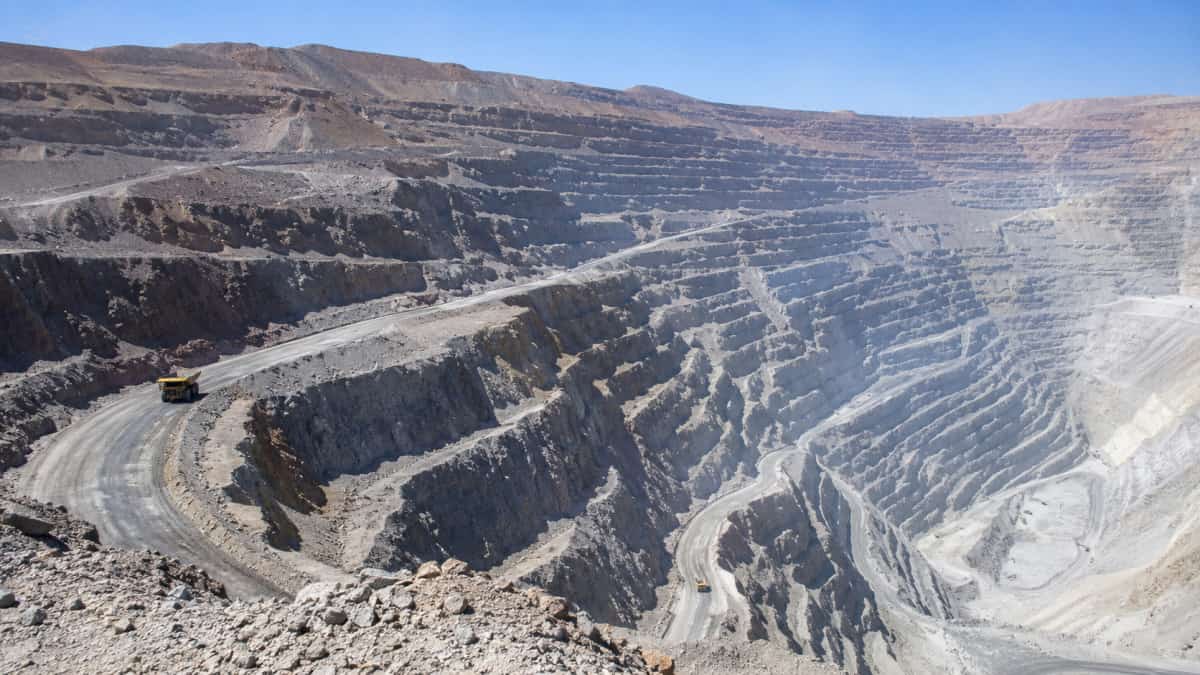
Codelco reviews Chuquicamata pit as unions push to extend mining beyond 2028
A 22% first-half production decline sharpens the debate over district integration and Chuquicamata’s shift to underground mining.
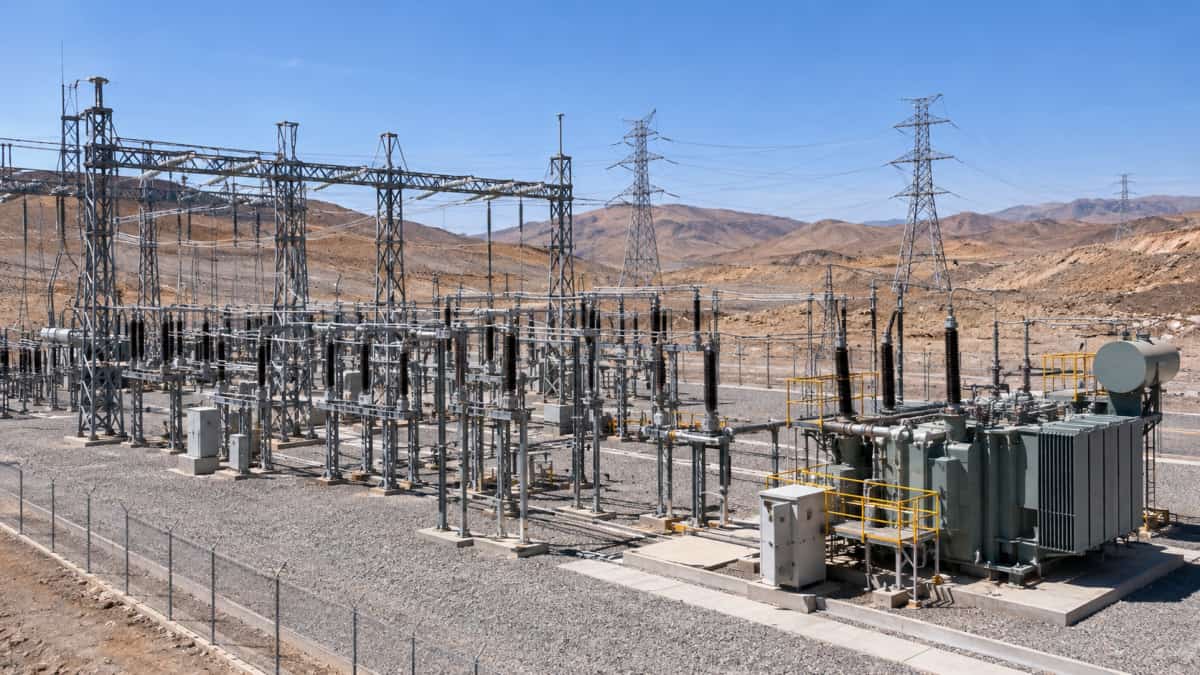
Chile’s 2027 power-grid reform faces a test as copper mines need more electricity
Copper output is forecast to grow more slowly than electricity use, putting network investment and supply reliability on the same legislative agenda.
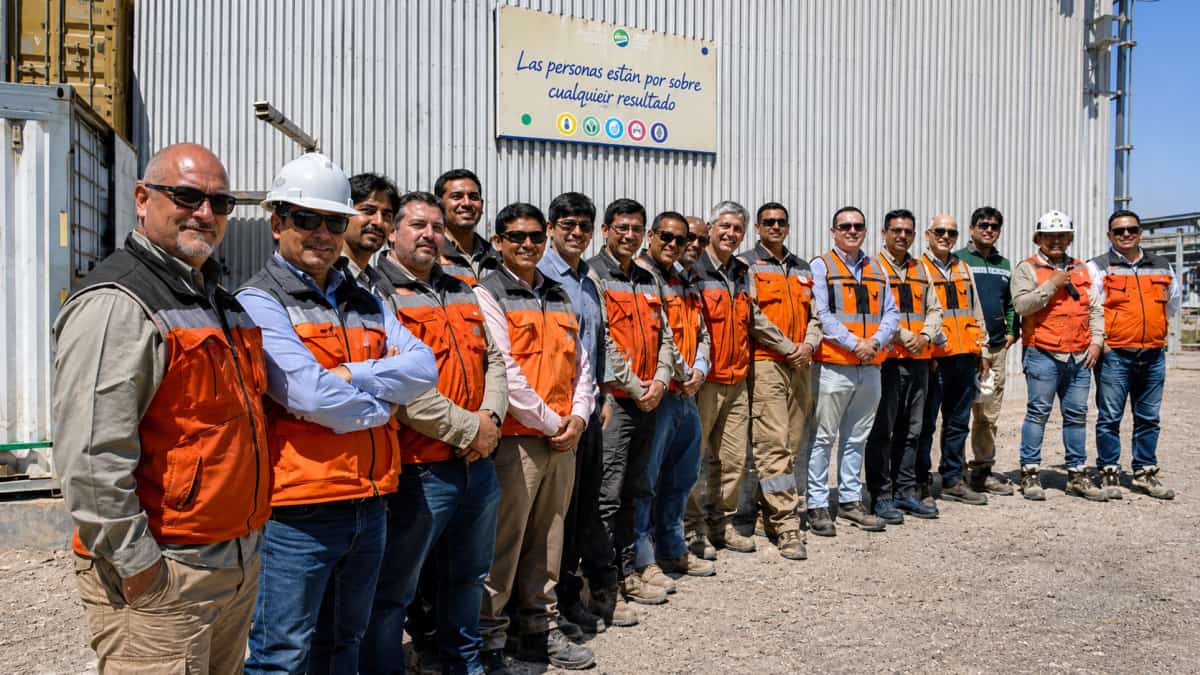
Sernageomin presses 21 critical safety controls at SQM’s Pampa Blanca
The Antofagasta campaign focuses on whether protections hold during high-risk work as conditions change across the operation.