
Chile’s 2027 power-grid reform faces a test as copper mines need more electricity
Copper output is forecast to grow more slowly than electricity use, putting network investment and supply reliability on the same legislative agenda.
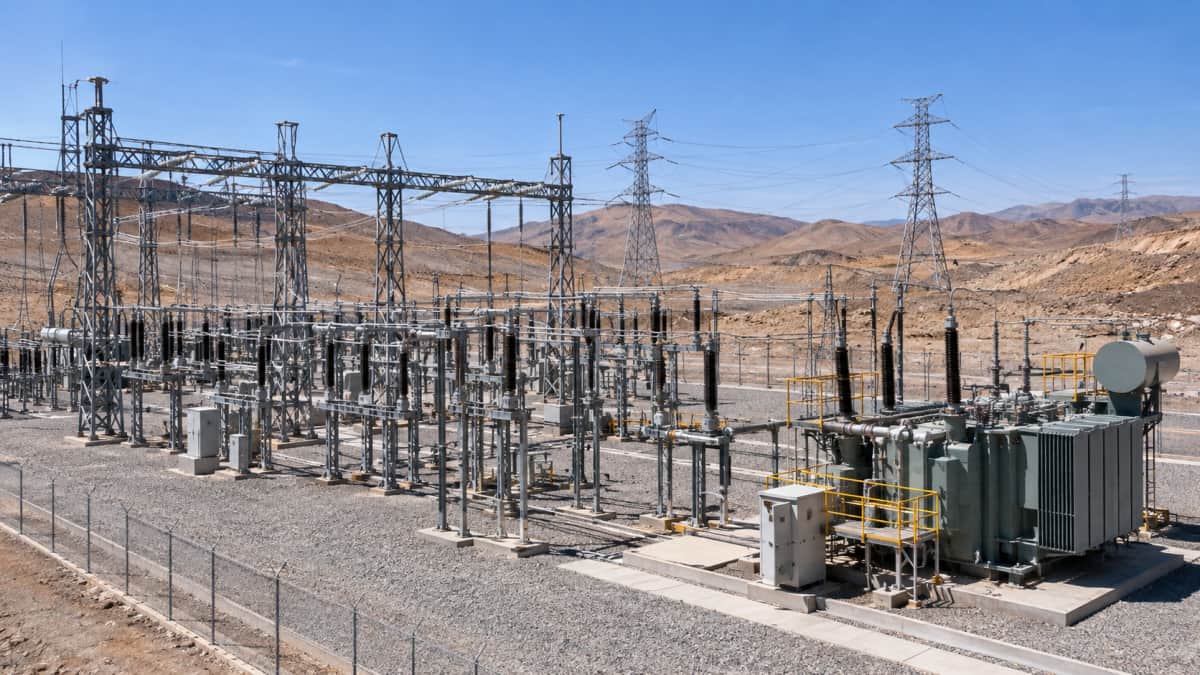
Why it matters: Reliable transmission and distribution will be increasingly important as Chilean mines use more power to process lower-grade ore and move seawater inland.
27.6 TWh to 33.2 TWh — projected copper-mining electricity use from 2025 to 2034.
20.2% versus 8.3% — forecast growth in electricity use and copper production, respectively, over the same period.
15 hours to four hours — Chile’s target for reducing annual average customer outages by 2035.
67.6% — projected share of copper mining’s water supply from seawater by 2034.
Chile plans to submit a bill to modernise electricity transmission and distribution regulation in the first quarter of 2027, with measures intended to encourage investment in network security, resilience and continuity. Energy Minister Ximena Rincón said the government expects to present the proposal’s conceptual framework between December 2026 and January 2027.
The reform would update a regulatory framework more than four decades old as industrial electrification, renewable generation and new mining projects change the demands on the national grid. For copper producers, electricity is essential not only for extraction and mineral processing but also for desalination, water pumping and increasingly automated operations.
Copper mining’s power use is set to outpace output growth
Chilean copper commission Cochilco projects that the sector’s electricity consumption will rise from 27.6 TWh in 2025 to 33.2 TWh in 2034, an increase of 20.2%. Copper production is forecast to grow 8.3% over that period.
The gap reflects structural pressures including declining ore grades, the need to process larger volumes of material and investment in water infrastructure. Those trends increase the demands on networks even when production growth is more modest, making reliable delivery as important to operations as access to generation.
Water supply is another source of rising power demand. Copper mining used seawater at a rate of 8.11 cubic metres per second in 2025, up 4.6% from the previous year. Cochilco projections put seawater’s share of the sector’s water supply at 67.6% by 2034, compared with 40.7% in 2024. Desalination plants and pumping systems that move water to high-altitude mines require continuous power; an extended interruption can affect both water availability and processing.
Outage targets put network investment in focus
The government aims to reduce the average customer’s annual time without electricity from about 15 hours in 2025 to four hours by 2035. The 2025 figure excludes events classified as force majeure. These distribution figures do not directly describe supply conditions at every large mine, but reliability across the wider system matters to suppliers, workshops, logistics centres and smaller mining operations.
The legislative debate is expected to address how network investment is remunerated, including funding for preventive upgrades, backup infrastructure and faster service restoration. The challenge is to encourage investment without imposing unjustified cost increases on households and businesses.
Following the nationwide blackout on 25 February 2025, the National Electric Coordinator introduced 20 measures to strengthen system security. Verified reserves for stabilising frequency rose from 368 MW in February 2025 to 3,223 MW in November 2026. The coordinator expects to complete 90% of the measures before the end of 2026, but reported that 222 of 879 companies assessed had deficiencies in monitored technical requirements during October.
Northern mines depend on more than renewable generation
Antofagasta, Atacama and Tarapacá combine major mining operations with strong solar-generation potential. But available renewable generation does not guarantee continuous supply: transmission constraints can limit its use, while solar variability requires storage, backup and demand management. New lines and substations, along with storage systems, could improve connections between generation centres and industrial users as mines electrify equipment and sign renewable-power contracts.
Chile is also due to host energy ministers from Argentina, Bolivia and Peru on 18 December 2026 to discuss regional electricity integration. Any cross-border links would require technical studies, infrastructure investment and compatible regulatory and commercial arrangements. The government’s conceptual proposal, expected between December 2026 and January 2027, will precede the planned bill submission in the first quarter of 2027.
More in Resources
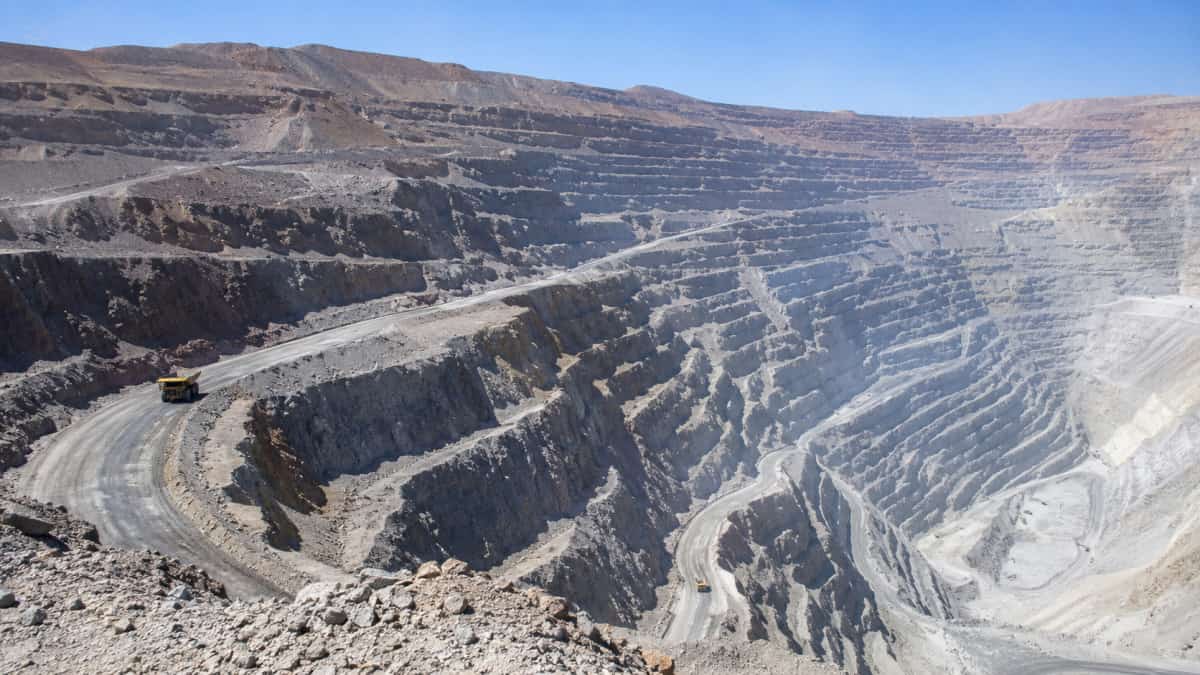
Codelco reviews Chuquicamata pit as unions push to extend mining beyond 2028
A 22% first-half production decline sharpens the debate over district integration and Chuquicamata’s shift to underground mining.

Chile unemployment reaches 10% as mining investment faces a jobs test
Employment has declined year on year for four consecutive quarters, even as officials point to mining and infrastructure as potential sources of hiring.
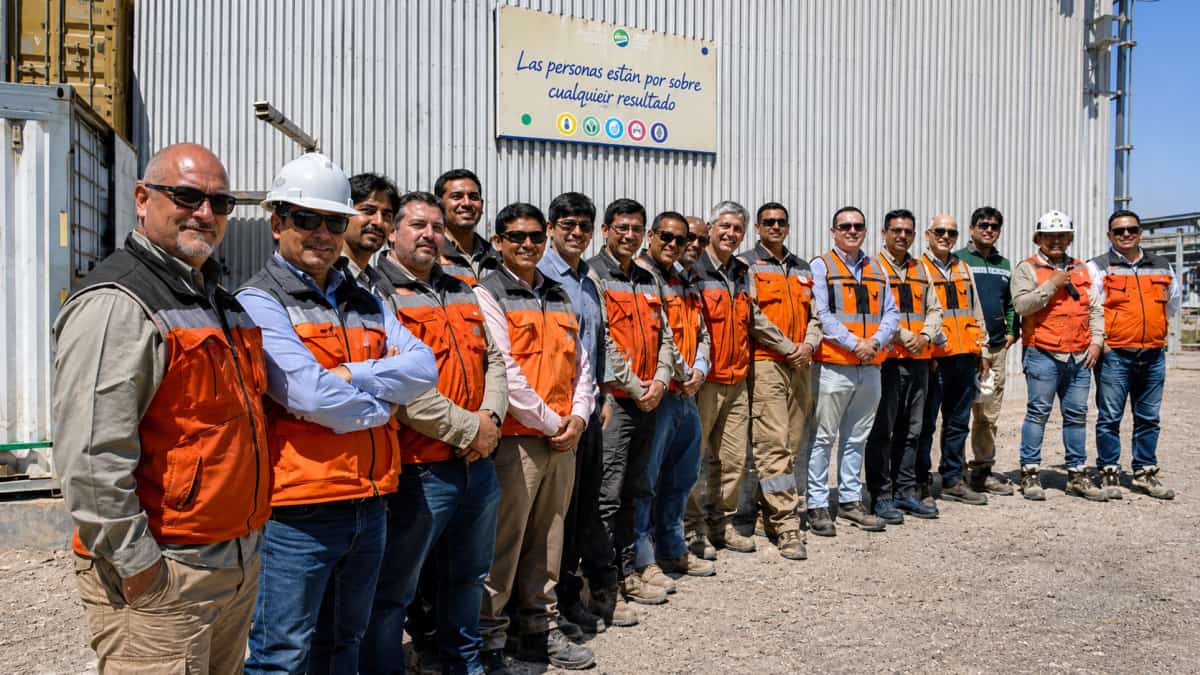
Sernageomin presses 21 critical safety controls at SQM’s Pampa Blanca
The Antofagasta campaign focuses on whether protections hold during high-risk work as conditions change across the operation.