
Saesa’s Litueche–La Estrella power line gets reported approval, but formal record is pending
The 110 kV connection is designed to ease regional supply limits, but project records do not use one consistent investment figure.
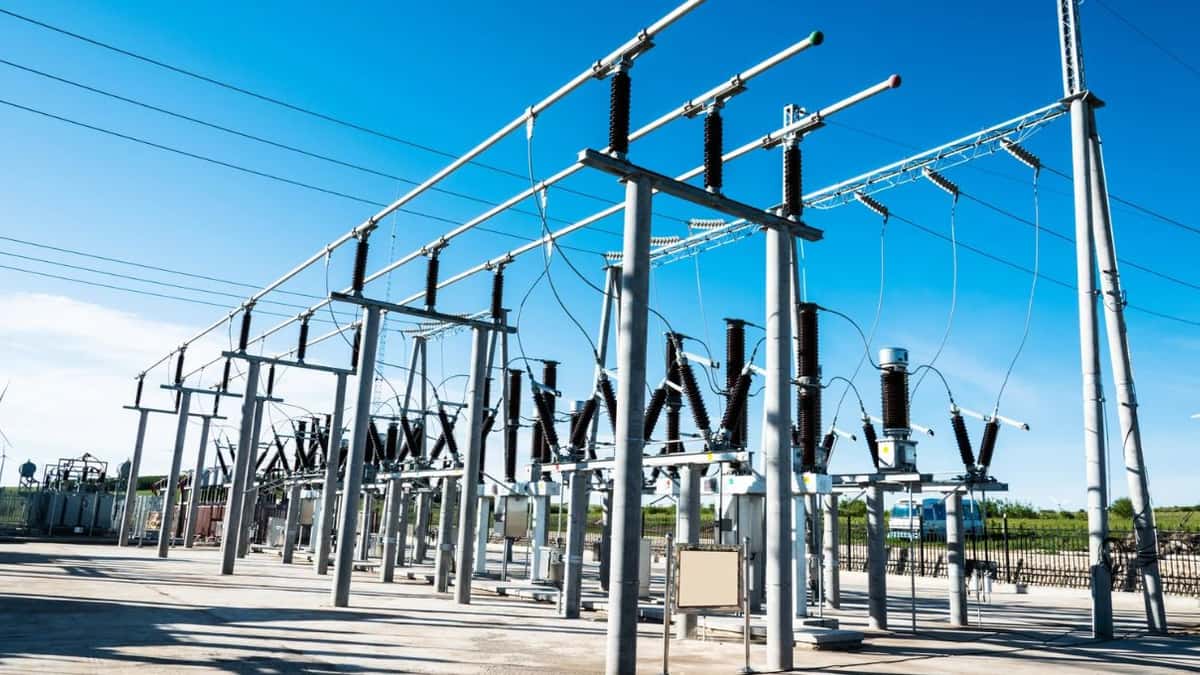
Why it matters: The project would add a new high-voltage route and substation to reinforce electricity supply in Chile’s Cardenal Caro province.
US$12.6 million — investment declared during environmental review
US$20.7 million — investment listed in Sociedad Austral de Transmisión Troncal’s 2025 annual report
10.7 kilometres — planned length of the double-circuit transmission line
January 2029 — projected operating date in the annual report
The Litueche–La Estrella transmission project in Chile’s O’Higgins Region was reported as having received environmental approval after review by the regional Environmental Assessment Commission. The project, linked to Grupo Saesa and held by Sociedad Austral de Transmisión Troncal S.A., would add a new substation and a 110 kV line intended to strengthen supply to Litueche, La Estrella and nearby areas. The formal resolution confirming the environmental decision had not yet been verified.
SEA review and formal approval status
The project was listed at the commission’s ordinary session on November 19, 2026, according to information from Chile’s Environmental Assessment Service (SEA). It entered the Environmental Impact Assessment System in September 2025 through an Environmental Impact Declaration.
The reported approval marks progress through environmental review, but it is not confirmation that construction can proceed or that the facilities are ready to operate. Publication of the Environmental Qualification Resolution would establish the formal outcome and the environmental conditions the project must meet during construction and operation. The project will also require applicable sectoral authorisations.
Substation and 110 kV connection
The plan includes a new Litueche Electrical Substation south of the town, with 110 kV and 13.2 kV switchyards and a 15 MVA power transformer. The equipment would receive electricity from the high-voltage network and adapt it for onward distribution.
A double-circuit 110 kV transmission line would run approximately 10.7 kilometres from the new substation to the La Estrella substation. Each circuit is specified to have a minimum transmission capacity of 90 MVA. The company’s project documents describe the new infrastructure as a way to increase transmission capacity, support continuity of service and reduce constraints on the existing network as regional demand grows.
The link is part of the expansion of Chile’s zonal transmission system, which connects higher-voltage networks with infrastructure supplying consumers. In this case, the planned connection is intended to improve the network serving Litueche and surrounding communities, while providing support for other parts of the electricity system.
Investment figures and next steps
The environmental evaluation records an investment of US$12.6 million, while Sociedad Austral de Transmisión Troncal’s 2025 annual report lists US$20.7 million for the work and projects it will enter operation in January 2029. The available information does not establish whether the difference reflects a revised budget, a change in project scope or different valuation criteria.
The reported environmental decision therefore leaves two items to be clarified in the project record: publication of the formal resolution and the basis for the differing investment estimates. The SEA resolution, once published, will specify the environmental obligations attached to the project; the annual report’s operating date remains a projection.
More in Resources
Copper drops to US$5.54/lb as London inventories rise and losses extend
The nine-session slide has pushed Chile’s benchmark export below its 2026 average as traders reassess industrial-demand signals.

Moody’s sees Chilean companies under 2027 cash-flow pressure as copper capex rises
Falling ore grades, longer haul distances and water infrastructure are adding to the spending burden across Chile’s copper mines.
Sernageomin reviews safety systems at Pucobre and Candelaria in Atacama
One operation was underground and the other an open pit, putting emergency readiness and operational controls under different tests.