
Copper drops to US$5.54/lb as London inventories rise and losses extend
The nine-session slide has pushed Chile’s benchmark export below its 2026 average as traders reassess industrial-demand signals.
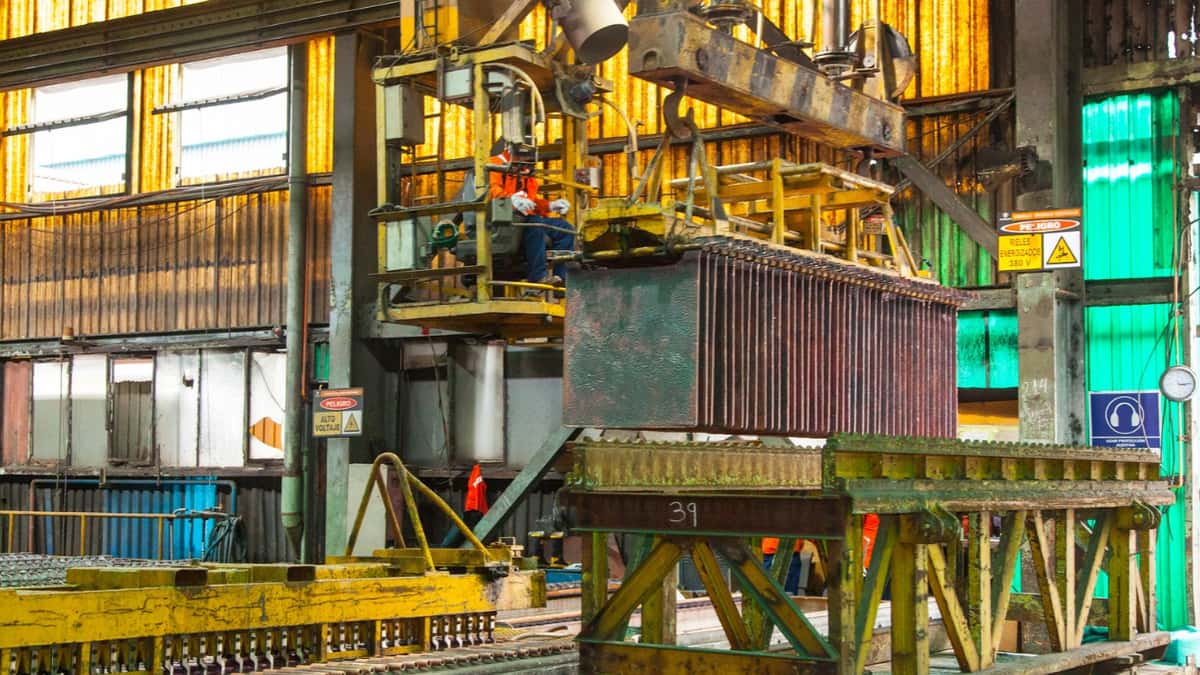
Why it matters: Copper prices feed into Chile’s export earnings, producer revenues and fiscal receipts, while rising exchange stocks add to pressure on the market.
US$5.54/lb — LME copper’s Friday close, down 2.70% on the day.
332,025 tonnes — LME copper inventories after a daily increase of 4,500 tonnes.
US$6.14/lb — copper’s average price so far in 2026.
Copper closed at US$5.54 per pound on the London Metal Exchange (LME) on Friday, November 20, extending its decline to nine consecutive sessions, according to Chile’s Copper Commission (Cochilco). The spot price was US$12,230.50 per tonne, down US$339.50 from Thursday.
The metal fell approximately 10.1% over the week, from US$6.17 per pound at the previous Friday’s close. Its latest price is about 9.8% below the 2026 average of US$6.14 per pound. That average, however, remains 39.04% higher than at the same point in 2025.
LME stocks rise as copper retreats
Cochilco reported that LME inventories increased by 4,500 tonnes, or 1.37%, to 332,025 tonnes. The rise adds to concerns about near-term market conditions, though inventory data alone does not establish the strength of underlying consumption.
The three-month LME contract also declined, falling 2.53% to US$12,237 per tonne. That futures price is distinct from the spot price used for the daily close.
The retreat comes as investors reassess expectations for industrial demand, including the pace of investment in artificial-intelligence infrastructure. A stronger US dollar, expectations of higher interest rates and indications of weaker Chinese demand have also weighed on sentiment, according to the market factors described in the daily report.
Copper remains an essential material for electrification, power transmission and data centres, but the market is reconsidering how quickly those uses will translate into consumption growth.
Chile’s exposure depends on how long prices stay lower
The decline is closely watched in Chile, where copper is a major export and an important source of mining activity and government revenue. A prolonged period of lower prices could weigh on producer income and fiscal receipts, but the eventual effect would also depend on export volumes and production costs.
For now, the metal is trading well below its year-to-date average amid heightened volatility and uncertainty over demand. The next sessions will show whether the inventory increase and changing demand expectations continue to coincide with falling prices.
More in Resources

Moody’s sees Chilean companies under 2027 cash-flow pressure as copper capex rises
Falling ore grades, longer haul distances and water infrastructure are adding to the spending burden across Chile’s copper mines.
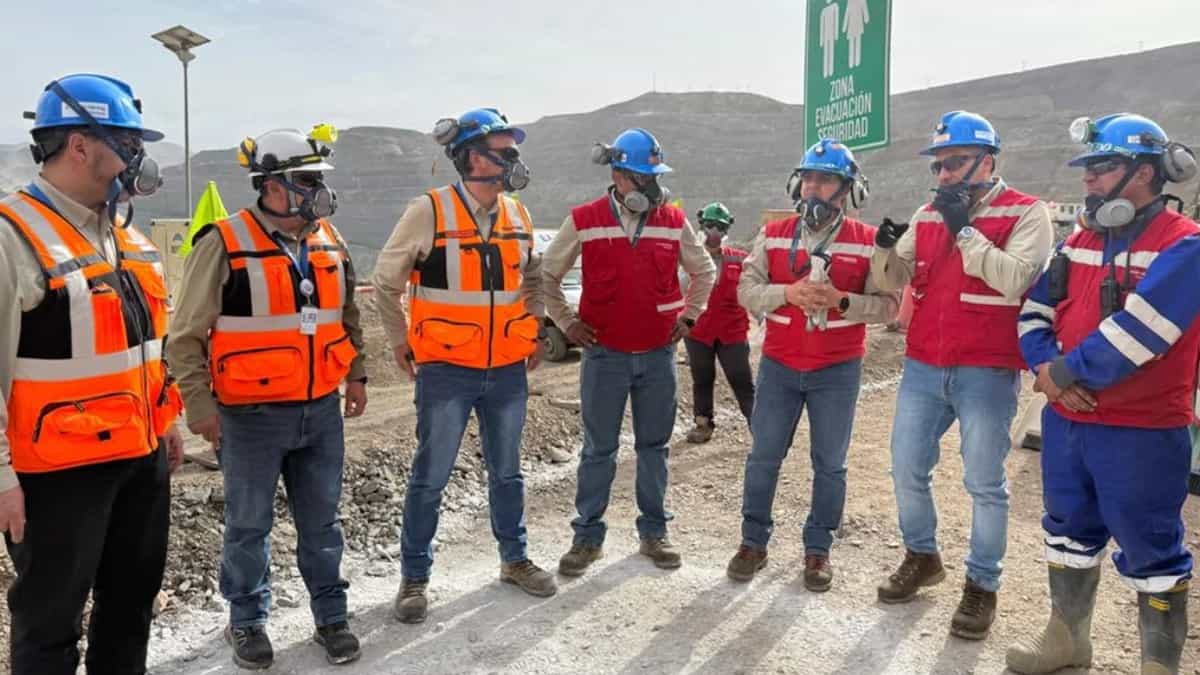
Sernageomin reviews safety systems at Pucobre and Candelaria in Atacama
One operation was underground and the other an open pit, putting emergency readiness and operational controls under different tests.
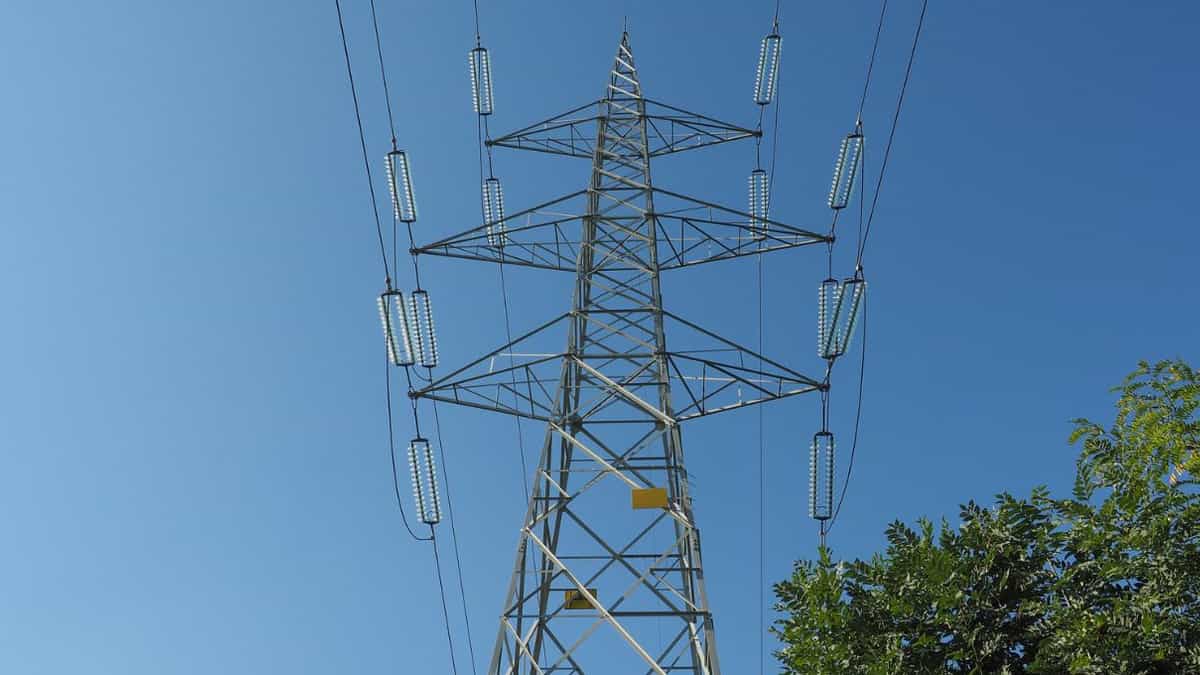
Chile’s O’Higgins 220 kV line faces a connection deadlock after workaround rejected
The line is built, but its planned tie-ins depend on substation works delayed by failed tenders.