
Peru counts 45,000 Andean flamingos as wetlands face cross-border pressure
Four countries reviewed a shared conservation plan, but the wetlands face threats that do not stop at borders.
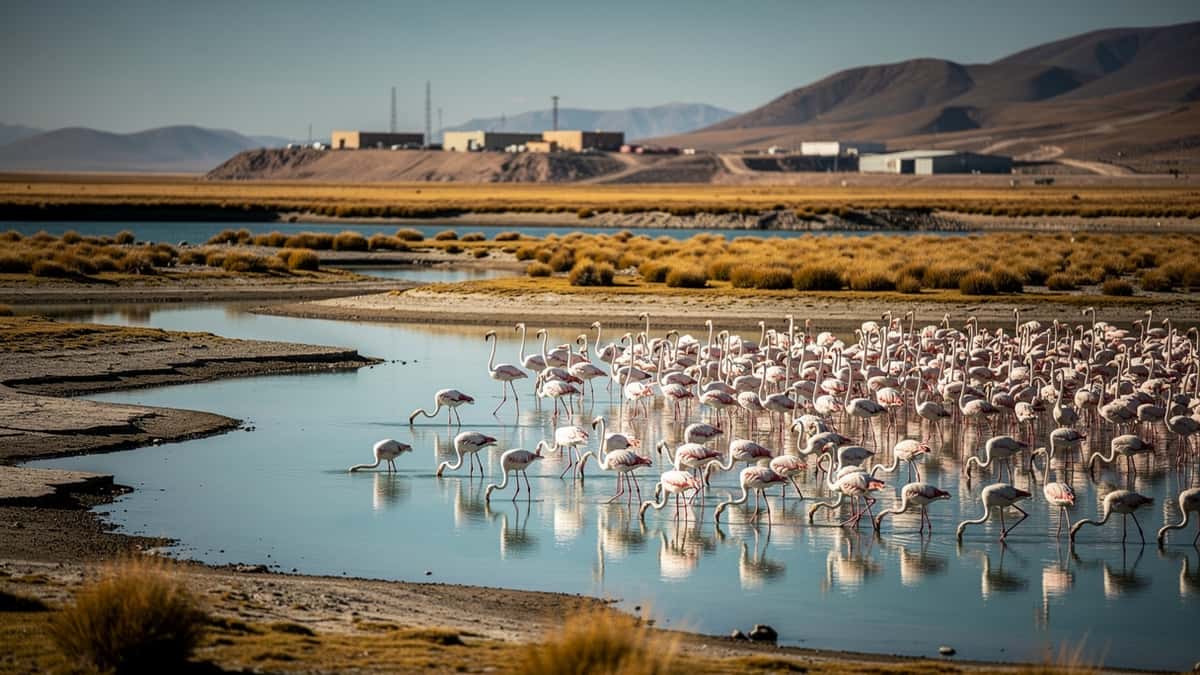
Why it matters: The counts show seasonal use of high-Andean wetlands whose degradation could affect feeding, resting and breeding habitat across four national jurisdictions.
More than 45,000 — flamingos recorded in southern Peru during winter.
More than 26,500 — recorded during summer across the surveyed wetlands.
52 wetlands — included in the southern Peru censuses.
Four countries — Peru, Bolivia, Chile and Argentina reviewed conservation work in Arequipa.
Censuses across 52 wetlands in southern Peru recorded more than 45,000 Andean flamingos in winter, compared with more than 26,500 in summer. The totals cover the Andean flamingo (Phoenicoparrus andinus) and James’s flamingo (Phoenicoparrus jamesi), both considered vulnerable in Peru. Delegates from Peru, Bolivia, Chile and Argentina met in Arequipa to review monitoring, research and regional conservation commitments as the birds’ wetland habitats face pressures including unregulated mining, fires and climate change.
The counts do not break down numbers by species or individual lagoon, and the census information provided does not specify the method or explain the seasonal difference. The figures therefore show broad patterns of wetland use, but do not support direct comparisons between the two species or individual sites.
Southern Peru’s wetlands host seasonal concentrations
Flamingos have been recorded at Lake Loriscota in Puno, Lake Parinacochas in Ayacucho and Lake Salinas in Arequipa. They also use the Salinas and Aguada Blanca National Reserve, which lies between Arequipa and Moquegua. The wetlands and bofedales provide feeding, resting and breeding habitat.
Identifying which sites the birds use is relevant to conservation planning, but the available totals do not show how many were present at each location. Habitat loss and fragmentation can reduce the areas available to the birds, while the wetlands and bofedales extend across the four countries involved in the regional discussions.
Officials cite mining, fires and wetland degradation
At the meeting, Erasmo Otárola, executive director of Peru’s National Forest and Wildlife Service (Serfor), identified climate change, unregulated mining, degradation of wetlands and bofedales, and forest fires as pressures requiring attention. The material did not quantify the effects of any one threat on flamingo populations.
Otárola linked flamingo conservation with the health of high-Andean ecosystems and said protection could also support sustainable activities such as birdwatching, creating potential opportunities for local communities. No visitor, revenue or project figures were provided. He also called for stronger monitoring and surveillance, alongside coordination among public institutions, regional governments, scientists and local organisations.
Four countries update their conservation plan
The meeting at Arequipa’s Mario Vargas Llosa Library was the second gathering of countries participating in the Memorandum of Understanding on the Conservation of Andean Flamingos and Their Habitats. Delegations shared research and monitoring results, reviewed common threats and updated the action plan.
The memorandum has been in force since December 4, 2008, under the Convention on the Conservation of Migratory Species of Wild Animals. An action plan approved in Cusco in 2016 set out three areas of work: research, wetland management and information exchange.
The meeting account did not specify which new actions were added to the updated plan or set implementation deadlines. Monitoring, surveillance and institutional cooperation were identified as priorities, but the next steps and their timing remain unspecified.
More in Resources
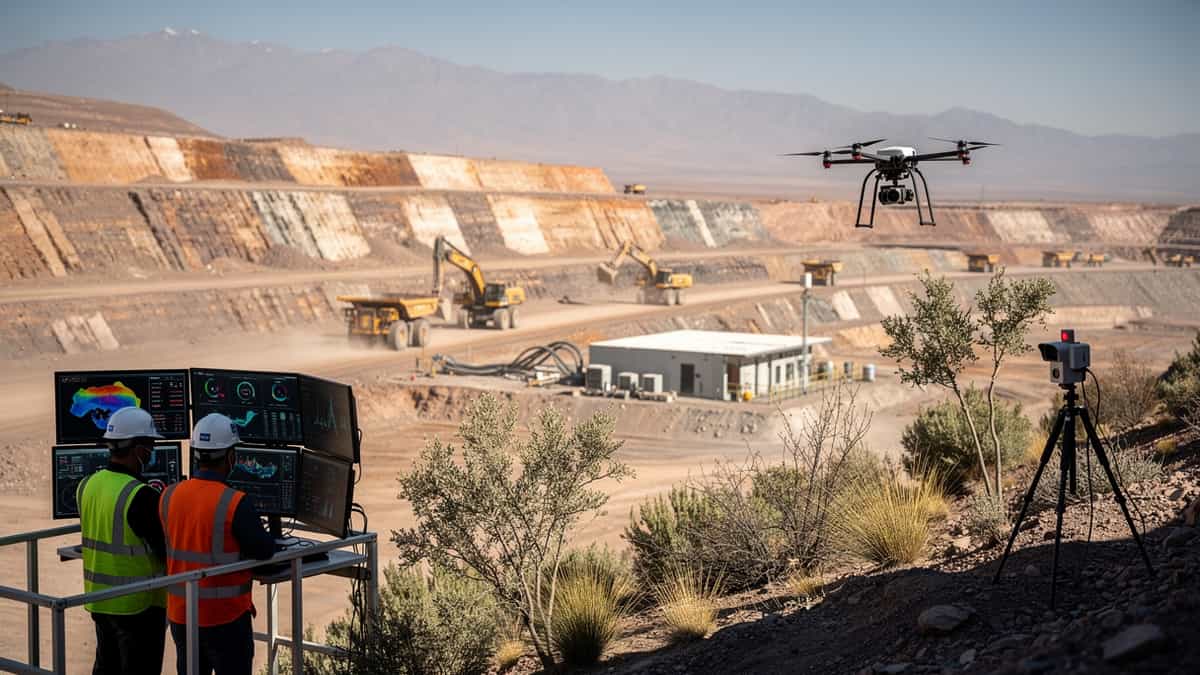
Codelco and BHP deploy AI in Chile as copper growth tests mining’s footprint
Data-centre expansion is lifting copper forecasts as Chilean operators test algorithms in processing plants and sensitive ecosystems.
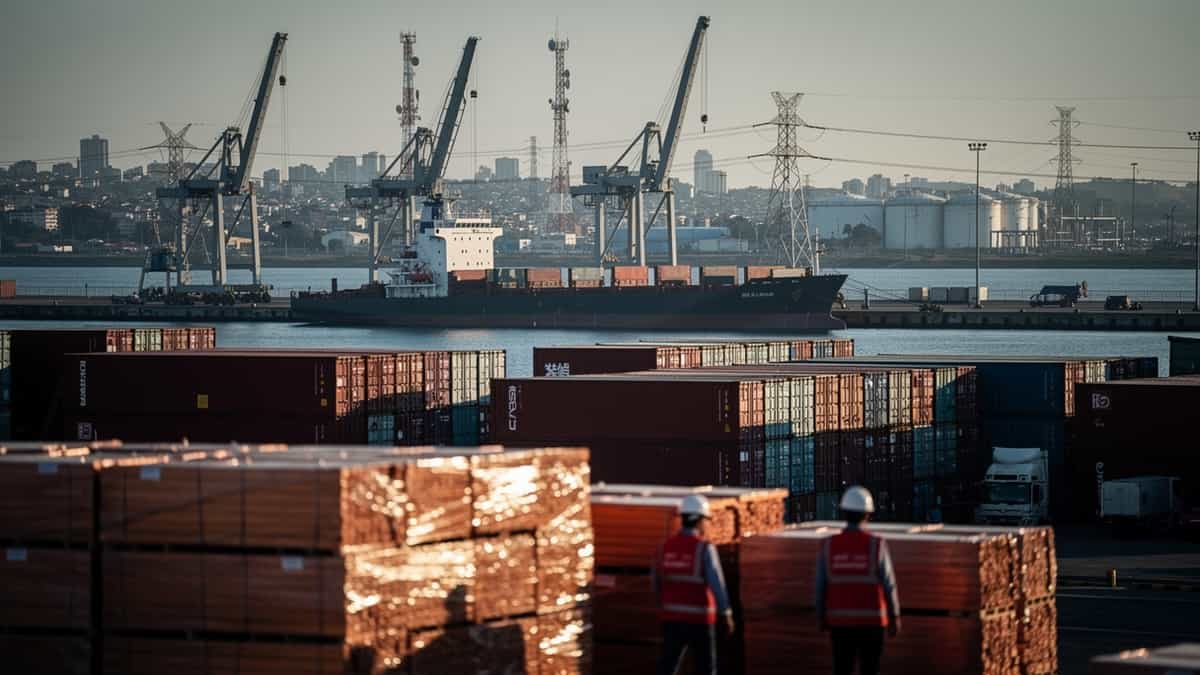
How Chilean copper cargoes helped set the LME’s pricing clock
In the 19th century, buyers had to settle a cargo’s value while its ship was still crossing the Atlantic.
US Congress report flags China’s copper leverage despite limited mine stakes in Argentina
The assessment links commodity pricing and processing to ports, telecoms and finance, taking its focus beyond who owns a mine.