
Codelco and BHP deploy AI in Chile as copper growth tests mining’s footprint
Data-centre expansion is lifting copper forecasts as Chilean operators test algorithms in processing plants and sensitive ecosystems.
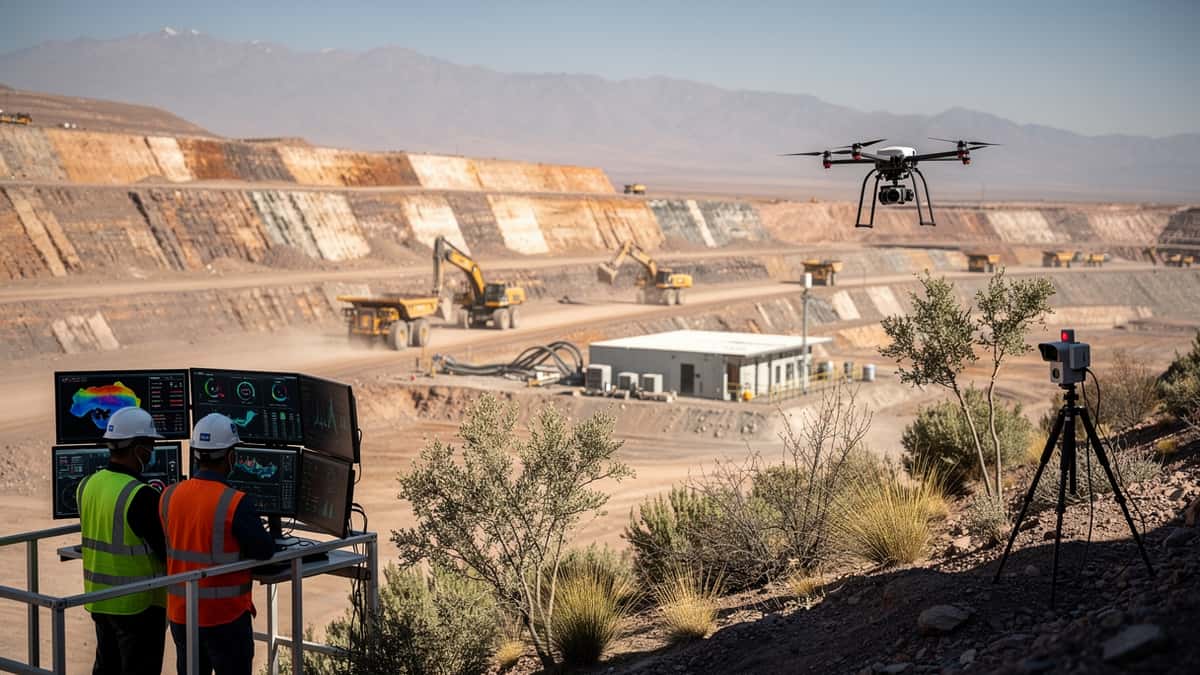
Why it matters: Chile’s miners are applying digital tools to production and environmental monitoring as forecasts point to a widening global copper supply challenge.
83% — copper’s share of the combined weight of 20 materials assessed for AI data-centre infrastructure.
28 million to 42 million tonnes — projected growth in global copper consumption from 2025 to 2040.
About 2 million tonnes — additional copper demand attributed to AI infrastructure over that period.
More than 65 species — recorded across two Codelco biodiversity-monitoring sites.
Codelco is using satellite imagery and artificial intelligence to monitor biodiversity near its Chilean operations, while BHP applies AI and digital systems at Escondida and Spence to support processing and resource use. The initiatives come as data-centre expansion adds to copper demand, but the companies have not disclosed quantified production gains or environmental improvements attributable to AI.
Codelco pairs satellite data with biodiversity monitoring
Codelco’s pilot with Chilean technology company Lemu covers the Roblería del Cobre de Loncha National Reserve and the Maitenes-Campiche Wetland, both within the area of influence of the miner’s El Teniente and Ventanas divisions. The project combines high-resolution satellite imagery, applied ecology and AI.
The teams recorded more than 65 species across the two sites and collected longitudinal data on vegetation cover and stored carbon. Codelco said the information can inform conservation decisions and environmental monitoring, but the available details do not specify the observation period or how species records were validated.
The project used Lemu Nge, a satellite designed to measure biodiversity. Launched in August 2024, it is described as the first privately owned Chilean satellite placed in orbit from US soil. Codelco is also seeking to use machine learning for environmental monitoring, operational tracking, regulatory compliance reviews and early detection of potential breaches. The company has not reported incident reductions or compliance outcomes from those tools.
BHP applies analytics to recovery and resource use
At Escondida, AI systems help teams identify early signals in operational data and assess how ore variability affects concentrator performance. The analysis can inform recommendations to improve copper recovery as ore grades decline. BHP has not provided a recovery improvement figure or a comparison period.
At Spence, digital solutions and automation have delivered savings of more than 11 GWh of energy and 1.1 million cubic metres of water. Those results relate to the suite of solutions described at the operation and are not attributed solely to AI.
The demand outlook adds a wider supply question. A study published in Resources Policy in August 2026 assessed 20 materials used in AI data-centre infrastructure and reported that copper accounts for about 83% of their combined weight. A description of the study published in October said its model covered 2025–2035; the available summary does not identify the authors or explain the calculation method.
S&P Global projections cited in the analysis put global copper consumption at 28 million tonnes in 2025 and 42 million tonnes in 2040, a 50% increase. AI infrastructure could add about 2 million tonnes of demand over that period. The same scenario warns of a potential deficit near 10 million tonnes in 2040 if supply does not expand sufficiently, about one-quarter of projected demand.
Digital tools also enter mine training
The Universidad Andrés Bello’s Mina Virtual platform combines virtual reality and AI to let students practise heavy-equipment operation, operational scenarios and safety procedures. An AI agent monitors each student and can remove them from the simulation for breaking safety rules. The university has not disclosed student numbers or learning-outcome assessments.
The cited forecasts do not quantify how much of the projected supply gap Chile could fill, and the operational examples do not establish how much AI alone can improve output or reduce environmental impacts.
More in Resources
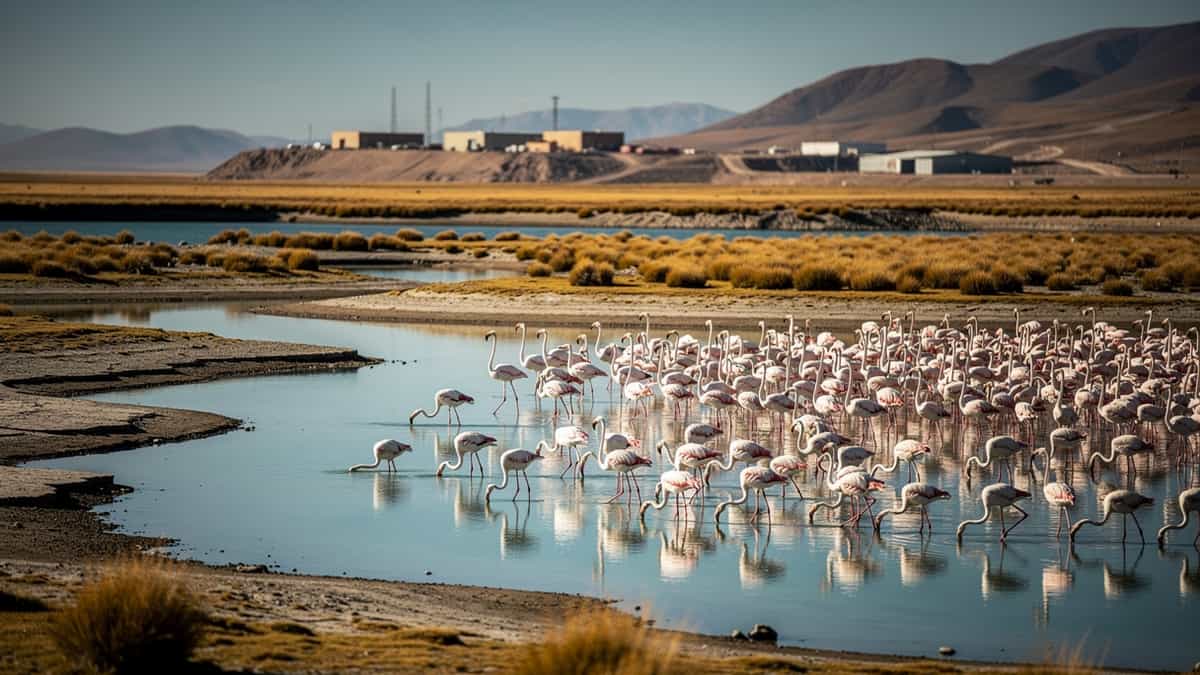
Peru counts 45,000 Andean flamingos as wetlands face cross-border pressure
Four countries reviewed a shared conservation plan, but the wetlands face threats that do not stop at borders.
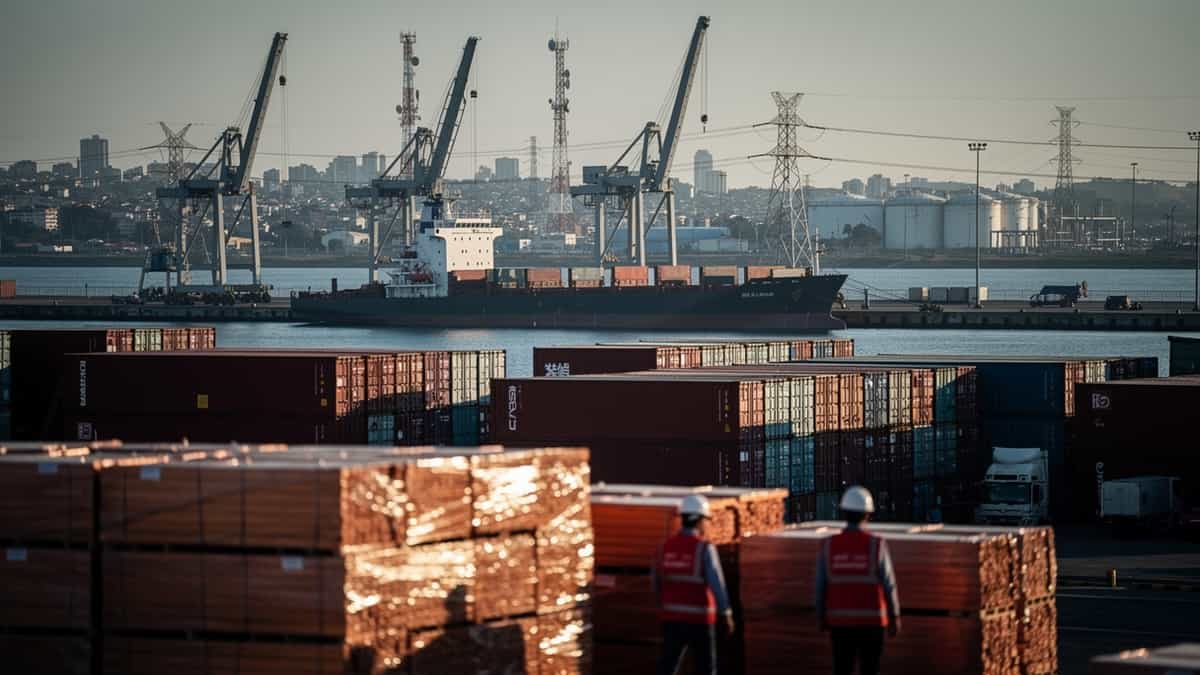
How Chilean copper cargoes helped set the LME’s pricing clock
In the 19th century, buyers had to settle a cargo’s value while its ship was still crossing the Atlantic.
US Congress report flags China’s copper leverage despite limited mine stakes in Argentina
The assessment links commodity pricing and processing to ports, telecoms and finance, taking its focus beyond who owns a mine.