
Peru and Chile near a 2027 GDP crossover as mining fortunes diverge
The IMF’s nominal-dollar forecasts put the neighbours almost level, but exchange rates and copper output could shift the ranking.

FMI proyecta que Perú superará a Chile en PIB en 2027 y lo desplazará al quinto lugar de Sudamérica
Why it matters: A near tie in nominal GDP highlights how mining output, investment and currency movements can alter the regional weight of two major mineral economies.
US$413.597 billion — IMF forecast for Peru’s nominal GDP in 2027
US$413.443 billion — IMF forecast for Chile, a projected gap of US$154 million
3% vs 0.6% — projected real growth in Peru and Chile, respectively, in 2026
US$4.565 billion — projected Peruvian lead in nominal GDP in 2028
The International Monetary Fund’s October 2026 World Economic Outlook projects that Peru could move ahead of Chile in nominal GDP in 2027, putting Peru fourth among South America’s economies behind Brazil, Argentina and Colombia. The forecast puts Peru at US$413.597 billion and Chile at US$413.443 billion—a difference of just US$154 million.
The ranking would reverse from 2026, when the IMF estimates Chile’s nominal GDP at US$402.243 billion against Peru’s US$399.593 billion. The narrow projected margin for 2027 makes the comparison sensitive to exchange-rate movements and revisions to the estimates.
Growth forecasts favour Peru
The IMF expects Peru’s real economy to grow 3% in 2026, compared with 0.6% in Chile. For 2027, it projects growth of 2.9% in Peru and 2.6% in Chile. The difference is smaller in the second year, but the faster forecast expansion in Peru contributes to the projected crossover.
Mining, exports and private investment are among the factors cited in the outlook for Peru. Copper and gold activity, infrastructure development and port projects are identified as sources of economic momentum. Scotiabank Peru investment strategy manager and economist Mario Guerrero has pointed to the country’s macroeconomic fundamentals and investment activity.
Chile’s near-term figures reflect pressure on mining and broader activity. The Central Bank of Chile reported that the monthly economic activity index (Imacec) grew 0.2% year on year in September 2026, while mining activity fell 12.1%. The bank attributed part of the decline to lower copper extraction, affected by reduced ore grades and a temporary suspension of operations.
Copper output is a pressure point for Chile
In its September Monetary Policy Report, the Central Bank of Chile cut its 2026 growth range to 0.25%–0.75%, from 1.0%–1.75%. It cited weaker domestic demand, adverse weather and lower mining production among the factors behind the revision. For 2027, it forecast growth of 2%–3%, a range that includes the IMF’s 2.6% estimate.
The mining outlook matters to both economies because production, investment and exports can affect economic growth. But the GDP comparison is not a direct measure of mining performance: consumption, productivity, financial conditions and other investment also shape total output.
Total GDP does not measure income per person
The IMF ranking uses nominal GDP in current US dollars, a measure affected by prices and exchange rates as well as production. A weaker local currency can reduce the dollar value of an economy even if real output rises. The projected crossover therefore does not mean Peru would match Chile in GDP per capita; Chile is expected to retain a substantial advantage on that measure, which reflects output relative to population.
The IMF projects Peru’s nominal GDP at US$434.972 billion in 2028, compared with US$430.407 billion for Chile. Whether the forecasts translate into a lasting ranking change will depend on actual growth, commodity prices, currency movements and future revisions to national accounts.
More in Resources
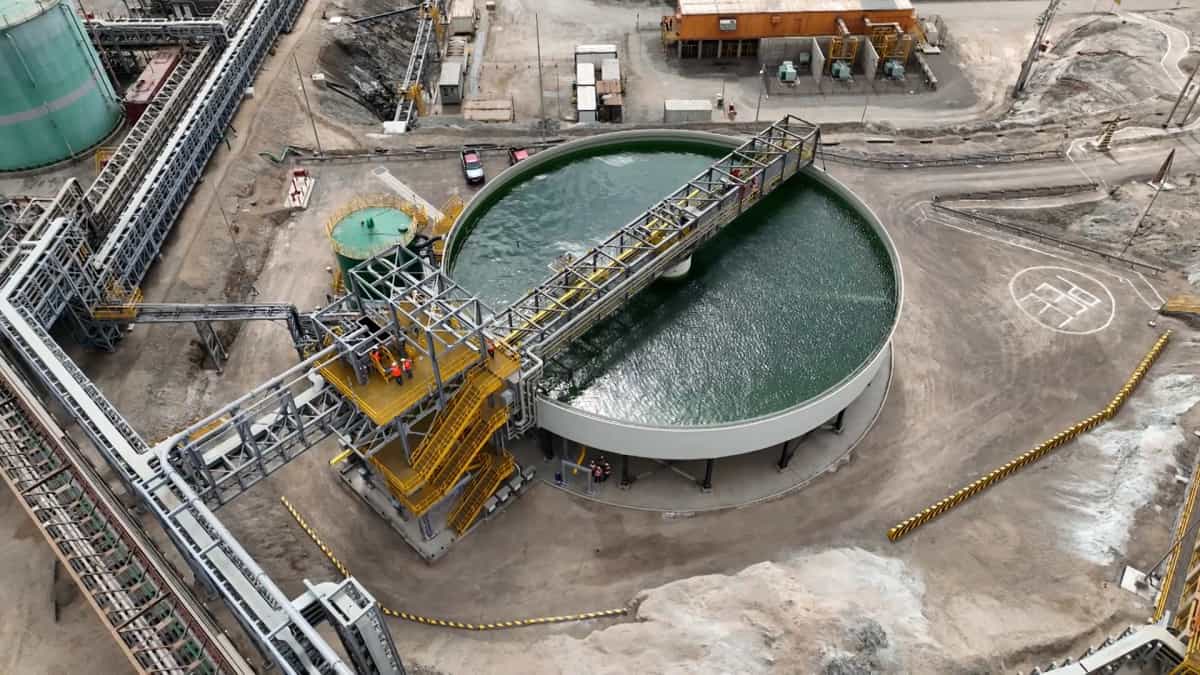
Nueva Centinela tests key systems as 2027 start-up approaches
The concentrator, primary crusher and coastal facilities are at different stages of the move from construction to operational readiness.
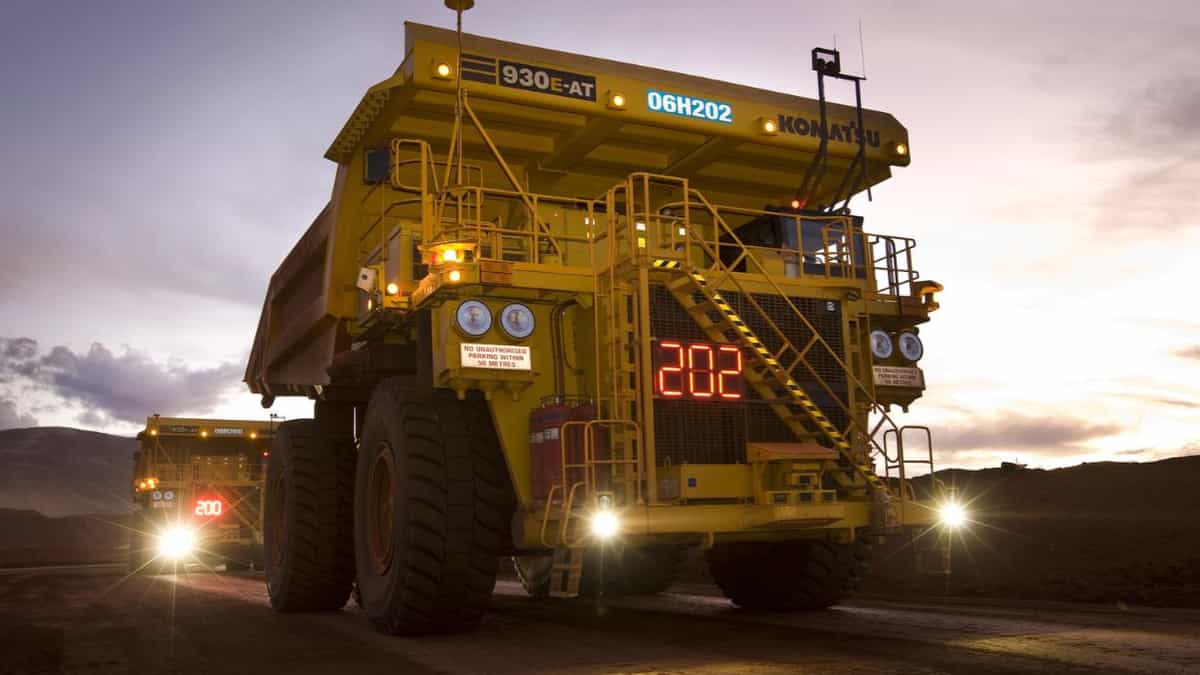
Mining equipment market growth forecast runs into a diesel-led fleet
Ultra-class machines and connected systems are gaining attention, but mine operators still face the cost and infrastructure burden of replacing established fleets.
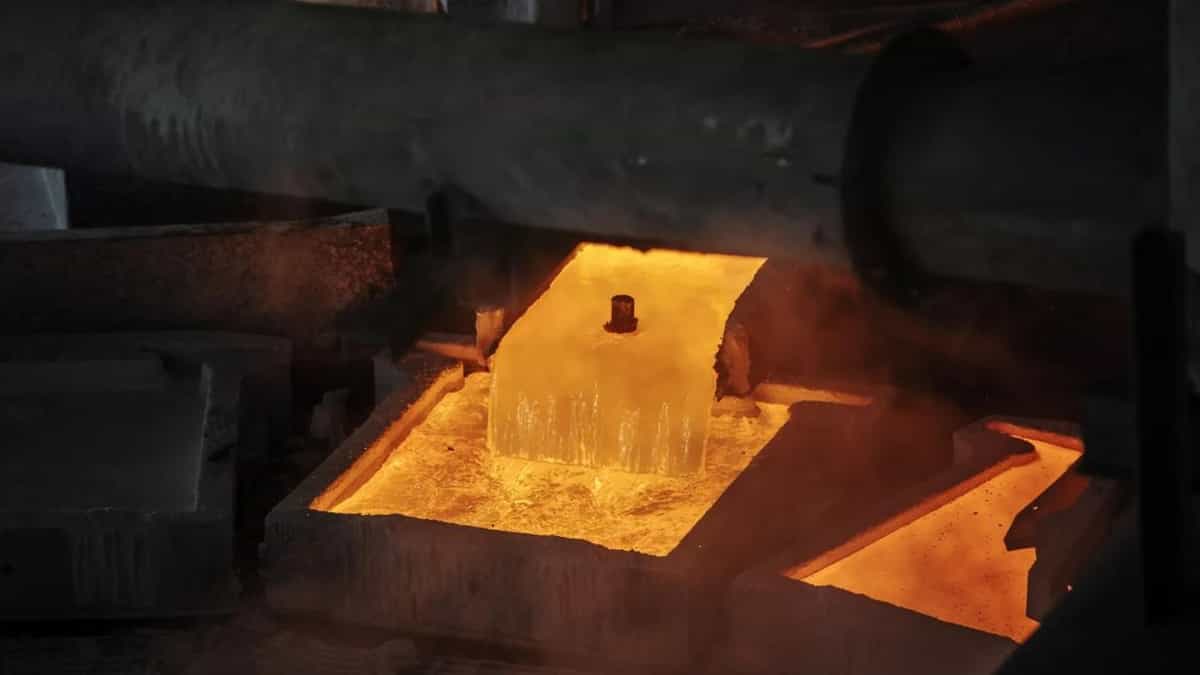
China’s copper smelters near a 2026 capacity ceiling as concentrate tightens
A proposed alert system would give authorities a way to manage output as spot treatment charges turn negative, but its trigger remains unspecified.