
China’s copper smelters near a 2026 capacity ceiling as concentrate tightens
A proposed alert system would give authorities a way to manage output as spot treatment charges turn negative, but its trigger remains unspecified.
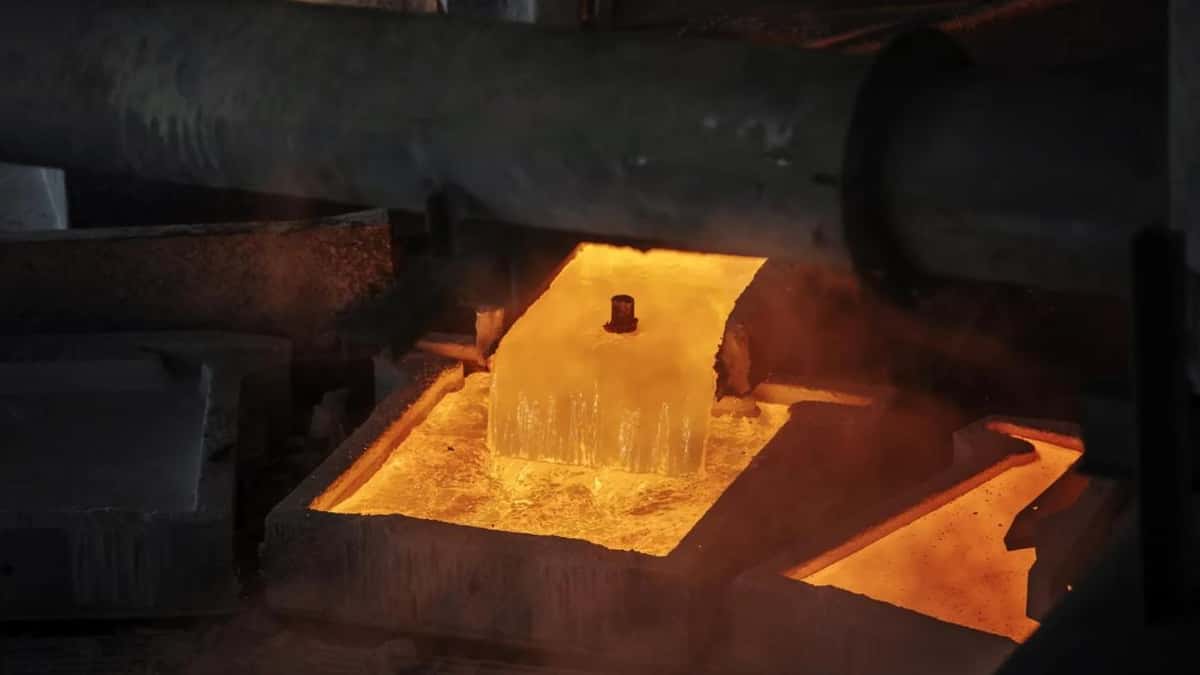
China advierte que su capacidad de fundición de cobre se acerca al límite en 2026
Why it matters: Any shift in Chinese smelter output could influence competition for copper concentrate and the terms miners secure for processing it.
-US$247.20 per tonne — spot treatment charge on Nov. 6.
-US$246.40 per tonne — spot treatment charge one week earlier.
US$0 per tonne — 2026 annual TC/RC agreed by Antofagasta and major Chinese smelters.
China could approach the limit of its concentrate-fed copper smelting capacity during 2026, Chen Xuesen, vice-president and spokesperson for the China Nonferrous Metals Industry Association (CNIA), warned at a meeting of the International Copper Association. CNIA plans to work with government authorities on a capacity monitoring and early-warning mechanism to help smelters adjust production more flexibly.
The association has not disclosed how much capacity is nearing the limit or what measures the proposed mechanism could include. Chen said the initiative aims to help gradually restore treatment and refining charges (TC/RCs) to sustainable levels.
Negative spot charges reflect the concentrate squeeze
The warning comes as shortages of copper concentrate collide with expanding processing capacity. Competition among smelters for feed has driven spot treatment charges to unprecedented negative levels. The benchmark fell to -US$247.20 per tonne on Nov. 6, from -US$246.40 a week earlier and -US$42.50 in the same period of 2025.
TC/RCs are payments traditionally made by miners to smelters for processing concentrate into refined copper. When charges turn negative, the commercial relationship reverses: smelters pay producers to secure feed. The spot benchmark does not, by itself, determine a smelter’s profitability, which also depends on by-product revenue and the terms of individual contracts.
The proposed monitoring system would address the mismatch between available concentrate and installed processing capacity by giving authorities and smelters a basis for adjusting production. CNIA has not said how capacity would be measured, what level would trigger an alert or whether the mechanism would set production targets.
Antofagasta talks will test 2027 contract terms
Market attention is also turning to negotiations between Chinese smelters and Chilean miner Antofagasta over concentrate supply contracts for 2027. The talks are expected to be followed at the industry meeting in Shanghai held alongside the World Copper Conference Asia.
The 2026 annual agreement between Antofagasta and major Chinese smelters set TC/RCs at US$0 per tonne, the lowest level recorded in annual negotiations, according to the International Energy Agency. The benchmark underscores how far contract terms have moved from the traditional model in which miners pay smelters to process concentrate.
The talks matter to Chile’s copper sector because of the importance of concentrate exports to China and the role of TC/RCs in supply contracts. CNIA’s monitoring initiative is intended to respond to the same imbalance behind the pressure on those terms, but the association has yet to detail its proposed thresholds or operating measures.
More in Resources
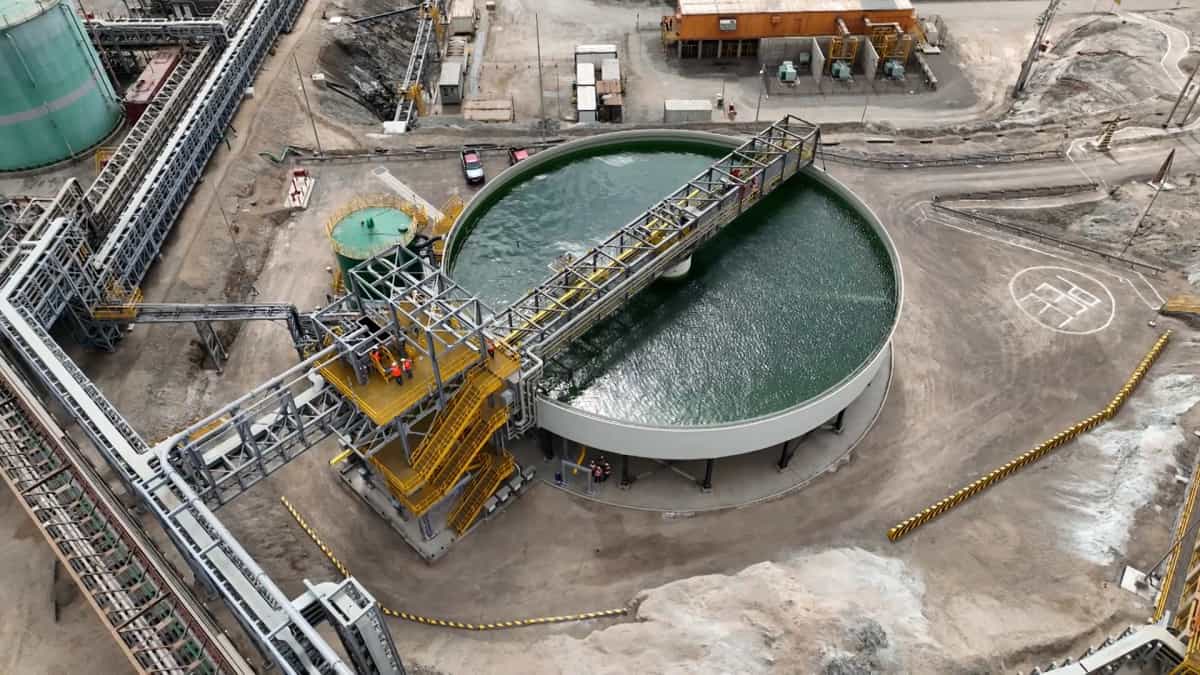
Nueva Centinela tests key systems as 2027 start-up approaches
The concentrator, primary crusher and coastal facilities are at different stages of the move from construction to operational readiness.
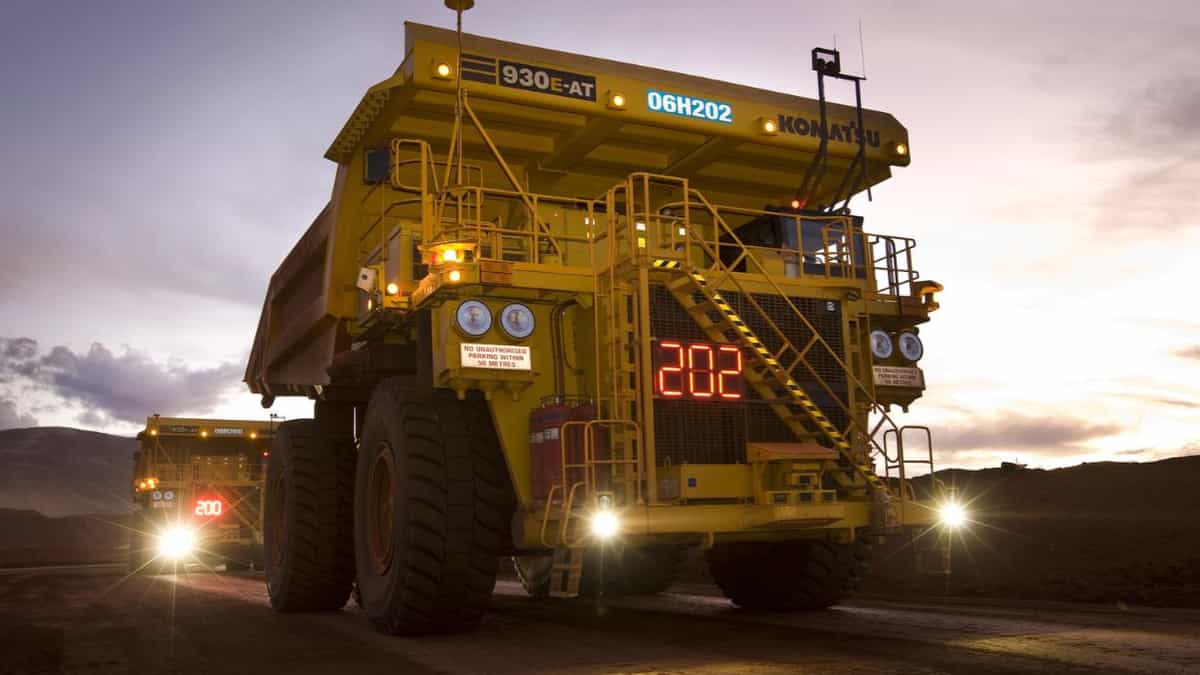
Mining equipment market growth forecast runs into a diesel-led fleet
Ultra-class machines and connected systems are gaining attention, but mine operators still face the cost and infrastructure burden of replacing established fleets.

Guinea jails 202 alleged miners as Siguiri crackdown reaches former officials
Guinea’s effort to protect Siguiri’s rivers and farmland now extends beyond miners, while livelihoods tied to artisanal gold remain at stake.