
Mining equipment market growth forecast runs into a diesel-led fleet
Ultra-class machines and connected systems are gaining attention, but mine operators still face the cost and infrastructure burden of replacing established fleets.
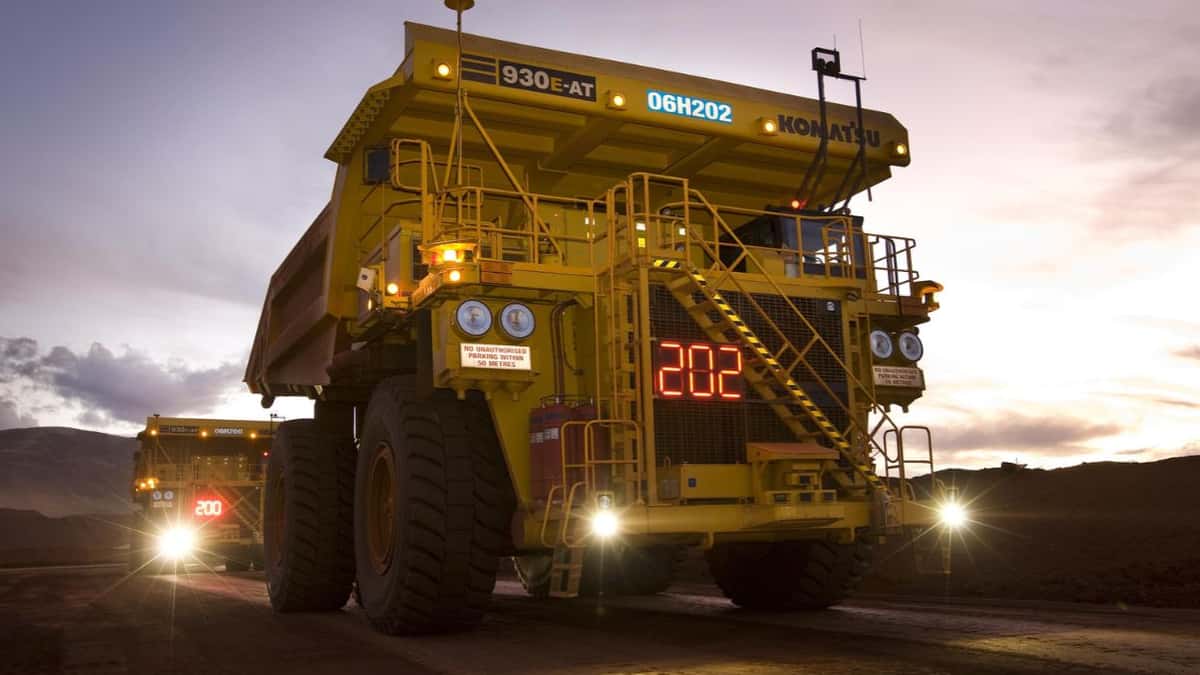
Mercado mundial de equipos mineros crecería 51% al 2033 impulsado por automatización y electrificación
Why it matters: The forecast ties equipment demand to larger-scale mining and a capital-intensive shift toward connected, autonomous and electric fleets.
US$28.42 billion — estimated global market value in 2026
US$42.81 billion — projected value in 2033
6% — forecast compound annual growth rate from 2026 to 2033
More than 95% — projected share of 2026 market value held by diesel equipment
MarketsandMarkets projects the global mining equipment market will grow 50.6% between 2026 and 2033, reaching US$42.81 billion from an estimated US$28.42 billion in 2026. The forecast covers equipment for surface and underground mining, crushing, pulverising, classification and mineral processing.
The projected expansion comes as manufacturers develop fleets that combine machinery with automation, electrification and digital systems. But the starting point remains a market dominated by diesel equipment, while high acquisition costs and gaps in electrical infrastructure complicate the transition.
More than 2,000 HP equipment leads growth expectations
MarketsandMarkets expects equipment above 2,000 horsepower (HP) to be the fastest-growing segment over the forecast period. Demand is expected to centre on large open-pit operations seeking to move more ore and waste in shorter cycles. Potential beneficiaries include ultra-class mining trucks, large electric rope shovels and high-capacity dozers.
Autonomous haulage and trolley-assist systems could support greater fleet utilisation and haulage efficiency, the consultancy said. However, adoption will depend on investment in large deposits, given the high purchase prices, power requirements and supporting infrastructure these machines need. The economics may be less suitable for smaller-scale operations.
Automation and electrification face practical constraints
Mining companies and equipment makers are combining autonomous transport, precision drilling and fleet-management software to coordinate trucks, loading equipment and drills using real-time data. The aim is to improve equipment utilisation and reduce unproductive time.
Electrification includes battery-powered trucks, trolley-assist haulage and cable-connected equipment. In underground mines, electric loaders, trucks and drills can reduce diesel emissions and ventilation requirements. Yet MarketsandMarkets estimates diesel equipment will account for more than 95% of market value in 2026. The consultancy identifies investment costs, limited charging and electrical infrastructure, and the difficulty of integrating equipment from different manufacturers with existing operating systems as barriers to faster change.
Middle East growth contrasts with Asia-Pacific market share
The Middle East is forecast to record the fastest regional growth through 2033, supported by mining activity in Saudi Arabia, Oman and other countries pursuing economic diversification. Saudi Arabia is a major driver, with new exploration licences and investment in gold, phosphate, copper and other critical minerals. As projects advance, demand could extend from exploration drills to trucks, excavators, dozers and processing equipment.
Asia-Pacific, by contrast, is expected to hold more than 45% of global market value in 2026, backed by mining activity in China, India, Australia and Indonesia. The forecast therefore separates the region with the largest current share from the one expected to grow fastest.
Manufacturers add software and training capabilities
Caterpillar completed its acquisition of Australian mining software company RPMGlobal in February 2026 and acquired spatial data capture and analysis provider Skycatch in July. Sandvik completed its acquisition of South African mining-equipment simulator and operator-training company ThoroughTec Simulation on November 3, after announcing the agreement in February.
MarketsandMarkets describes these deals as part of a move from selling individual machines toward integrated equipment, automation, software and lifecycle services. The forecast’s growth assumptions will also depend on investment in large mining projects and on whether operators can fund and install the infrastructure required to adopt newer fleets.
More in Resources
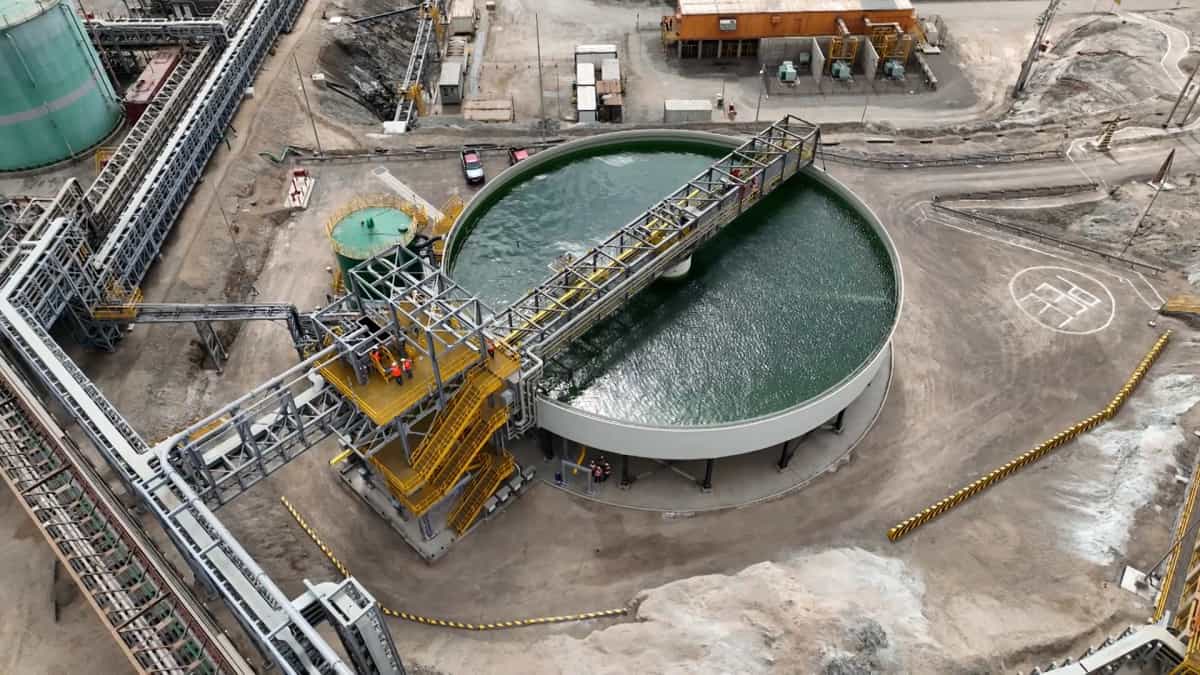
Nueva Centinela tests key systems as 2027 start-up approaches
The concentrator, primary crusher and coastal facilities are at different stages of the move from construction to operational readiness.
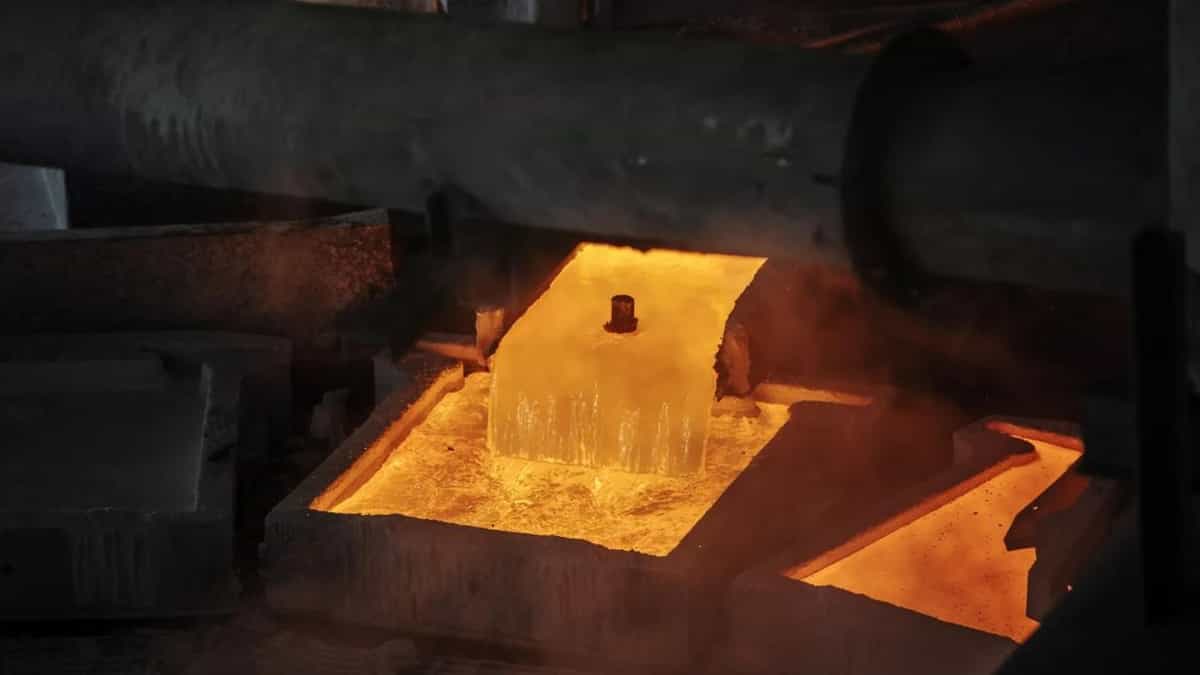
China’s copper smelters near a 2026 capacity ceiling as concentrate tightens
A proposed alert system would give authorities a way to manage output as spot treatment charges turn negative, but its trigger remains unspecified.

Guinea jails 202 alleged miners as Siguiri crackdown reaches former officials
Guinea’s effort to protect Siguiri’s rivers and farmland now extends beyond miners, while livelihoods tied to artisanal gold remain at stake.