
Mahanadi Coalfields lists as India’s coal reliance meets energy-transition risk
Coal still generates more than 70% of India’s electricity, while investors must price a long-lived asset against a changing power mix.
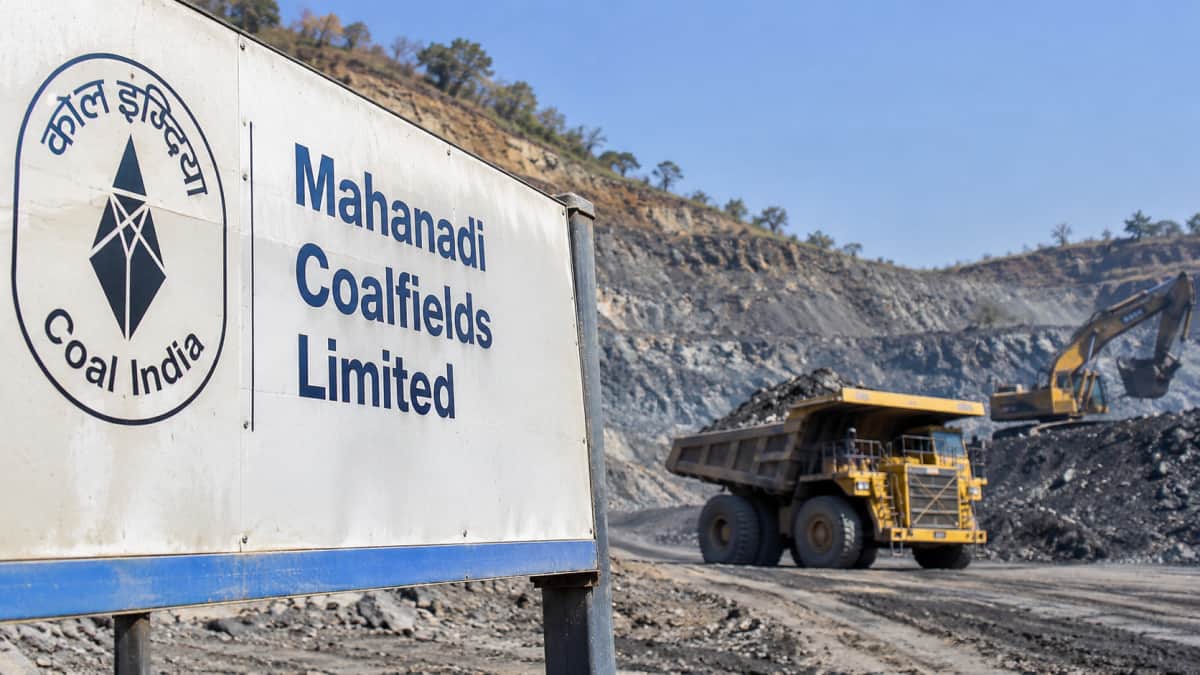
Why it matters: Mahanadi’s listing tests investor appetite for a major coal producer whose scale is underpinned by India’s energy needs but exposed to a changing power mix.
US$9.7 billion — approximate market capitalization at debut
US$963 million — approximate value of the share sale
218.31 million tonnes — coal produced in fiscal 2026
500 GW — India’s 2030 target for installed non-fossil electricity capacity
Mahanadi Coalfields began trading on India’s National Stock Exchange and Bombay Stock Exchange on November 27, reaching a market capitalization of about US$9.7 billion after an initial public offering valued at approximately US$963 million. The Coal India subsidiary’s debut came as the country continues to rely heavily on coal while expanding renewable and other non-fossil power capacity.
Shares initially fell about 2% below the offer price before recovering towards it. Overall demand was about 1.5 times the shares on offer, led by institutional investors; retail and non-institutional portions were not fully subscribed. Abu Dhabi Investment Authority and Life Insurance Corporation of India were among the institutional participants.
Coal India sells a 10% stake
The offering comprised 661,836,300 existing shares priced at 136 Indian rupees each, representing about 10% of Mahanadi’s equity. Coal India sold the shares, so the proceeds go to the parent rather than directly to Mahanadi for mine development or other investment.
The listing is the third Coal India subsidiary flotation in 2026, following Bharat Coking Coal in January and Central Mine Planning & Design Institute in March. The government’s partial divestment programme monetizes state-owned assets while leaving the parent’s control intact. Separate listings also give investors a market reference for individual businesses previously held within Coal India’s corporate structure.
Odisha operations anchor the valuation
Founded in 1992, Mahanadi operates in Odisha, mainly in the Talcher and Ib Valley coalfields. It produced 218.31 million tonnes in the fiscal year ended March 2026, making it India’s largest individual coal producer and accounting for 21% of national output.
The company operates 17 mines, including 14 open-pit operations, and reported audited reserves of about 9.84 billion tonnes. At the current production rate, those reserves equate to a theoretical operating life of roughly 45 years. Mahanadi recorded net profit of 106.78 billion rupees in fiscal 2026, down 1.3% year on year.
The scale, reserves and earnings support the company’s case as a large producer, but reserves do not ensure that all the coal will be mined. Future production and returns depend on demand, policy and the economics of competing power sources. The early share-price movement and uneven subscription across investor categories indicate that the listing did not attract uniform demand.
India’s energy mix shapes the longer-term risk
India produced about 1.04 billion tonnes of coal in fiscal 2025-26, exceeding one billion tonnes for a second consecutive year. Coal supplies around 55% of the country’s primary energy needs and more than 70% of its electricity generation. Domestic production is also intended to reduce reliance on imports and exposure to international prices.
At the same time, India is targeting 500 GW of installed electricity capacity from non-fossil sources by 2030. Expansion of renewables and storage, environmental constraints and potential changes in fossil-fuel financing could affect coal demand and the value investors assign to producers over time. The next test for Mahanadi is whether its operating scale and earnings can sustain market support as India pursues both rising energy supply and a changing generation mix.
More in Resources
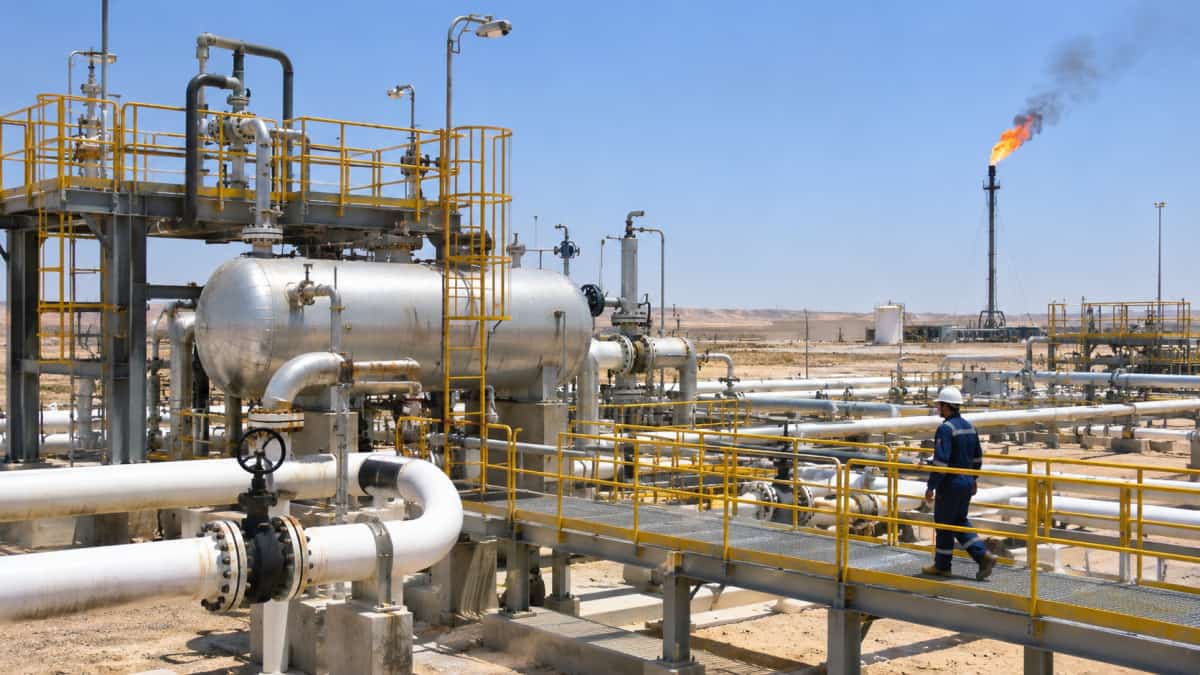
Iraq pushes for a larger OPEC+ oil quota as capacity estimates diverge
Baghdad wants future allocations based on a higher benchmark, while a technical review points to a lower sustainable ceiling.
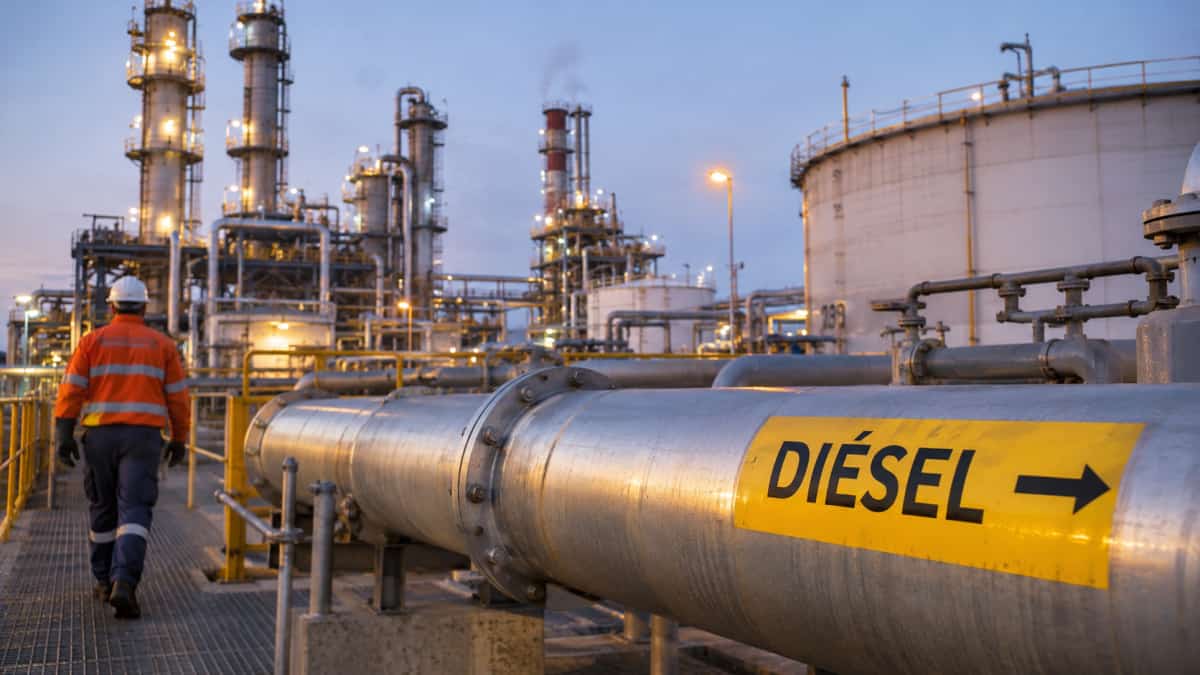
Diesel supply risk in 2027 puts Chile's copper miners' costs in focus
Open-pit fleets depend on a fuel market where crude availability and refinery output are diverging.
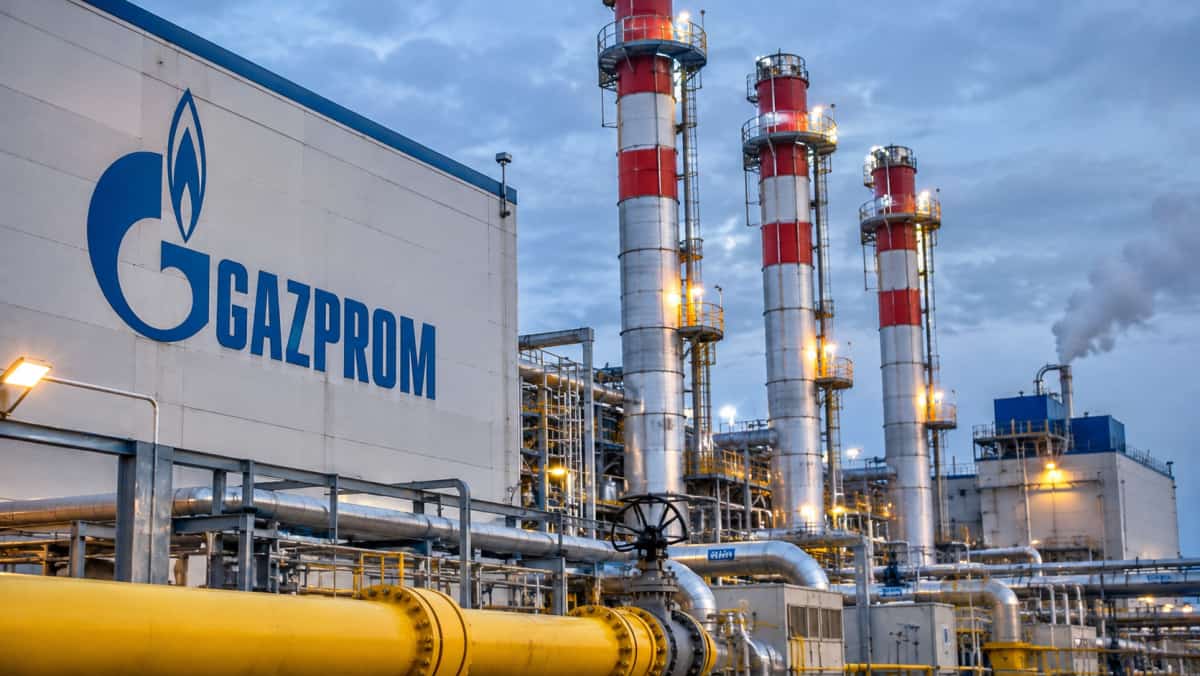
Gazprom’s 400 MW gas-station plan faces a test: compressor capacity is not power output
Russia’s data-centre expansion is colliding with regional power gaps, while Gazprom’s candidate assets were built to move gas.