
Gazprom’s 400 MW gas-station plan faces a test: compressor capacity is not power output
Russia’s data-centre expansion is colliding with regional power gaps, while Gazprom’s candidate assets were built to move gas.
Why it matters: Reusing gas infrastructure could add dispatchable power for Russia’s digital buildout, but the identified equipment rating is not yet a measure of electricity delivered.
400 MW — nominal capacity of compressor equipment identified for possible conversion, not confirmed net generation.
18 months — the Russian Energy Ministry’s estimated conversion timeline.
15 GW — projected Russian data-centre power demand by 2030.
485 TWh to 950 TWh — estimated global data-centre electricity consumption in 2025 and projected for 2030.
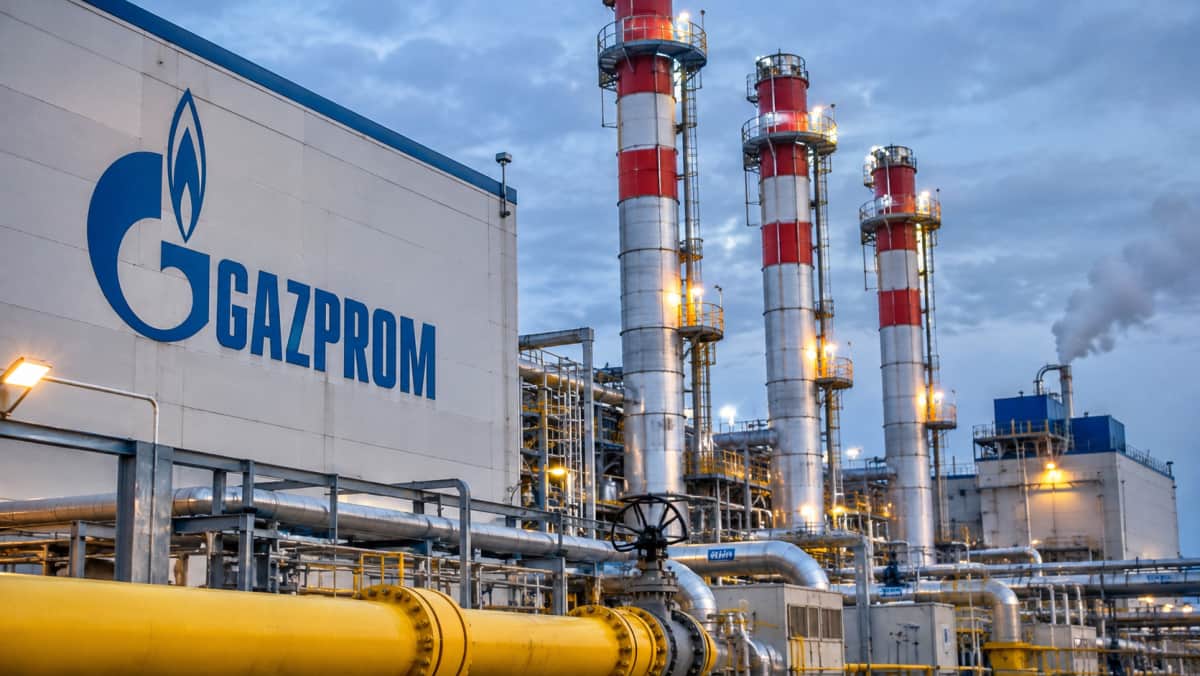
Gazprom is considering converting idle or underused gas compressor stations into power plants through pilot projects with a nominal equipment capacity of 400 MW. The proposal, presented by company executive Anatoly Shapovalo at the Gas of Russia 2026 forum on November 27, would use gas turbines to generate electricity for regions facing supply constraints and growing data-centre demand.
The 400 MW figure refers to the capacity of compressor equipment identified for potential conversion, not the amount of electricity the plants would deliver. Gazprom has not disclosed the locations of all selected facilities, project costs or net generation estimates.
Compressor stations would need substantial engineering work
Compressor stations maintain pressure in gas pipelines, and some use gas turbines to drive their compressors. Gazprom’s proposal is to adapt some of those systems to produce electricity using generators, making use of existing industrial sites and gas connections rather than building entirely new plants.
Conversion would still require engineering changes, control systems, electrical infrastructure and connections to distribution networks or nearby consumers. The technical and financial studies will determine whether the facilities can operate as power plants and how much electricity they can supply.
The Russian Energy Ministry has estimated that conversion could take about 18 months. Financing and investment-recovery arrangements remain unresolved. One option under consideration is to appoint Gazprom directly to develop the projects, using a mechanism previously applied in regions where power shortages and investment risks have deterred private developers. Gazprom is also involved in generation-capacity initiatives in the Moscow region and southern Russia.
Data-centre demand is rising as gas markets shift
The ministry projects that Russian data centres could require about 15 GW of power by 2030, roughly three times current demand. These facilities need continuous electricity not only for computing and storage, but also for cooling, communications and backup systems. Locating data centres near generation could ease some transmission constraints, though reliable supply and digital connectivity would still be required.
The proposal also comes as Gazprom looks for domestic uses for gas amid reduced opportunities to sell into Europe. Nord Stream and Yamal-Europe shipments were disrupted, and Russian gas transit through Ukraine ended in January 2025, leaving parts of the transport network underused. Electricity generation for industrial and technology customers could provide an alternative outlet for gas and reuse existing infrastructure.
Globally, data centres consumed an estimated 485 TWh of electricity in 2025, with projections reaching about 950 TWh by 2030, or roughly 3% of global consumption. Gas-fired generation can provide dispatchable power, but greater reliance on it also raises emissions and methane-leakage concerns.
The buildout has implications for minerals as well as energy: copper is used in cables, transformers and generators, while aluminium and steel are required across power networks and industrial facilities. Gazprom’s next step is to establish the engineering and financing arrangements for its pilots; the proposed 400 MW rating alone does not establish their eventual electrical output.
More in Resources
Iraq pushes for a larger OPEC+ oil quota as capacity estimates diverge
Baghdad wants future allocations based on a higher benchmark, while a technical review points to a lower sustainable ceiling.
Diesel supply risk in 2027 puts Chile's copper miners' costs in focus
Open-pit fleets depend on a fuel market where crude availability and refinery output are diverging.
Mahanadi Coalfields lists as India’s coal reliance meets energy-transition risk
Coal still generates more than 70% of India’s electricity, while investors must price a long-lived asset against a changing power mix.