
Las Cardas Solar files US$200m Coquimbo project as flora review looms
The proposed plant would combine solar generation with battery storage, while native vegetation impacts will be a central issue in its environmental review.
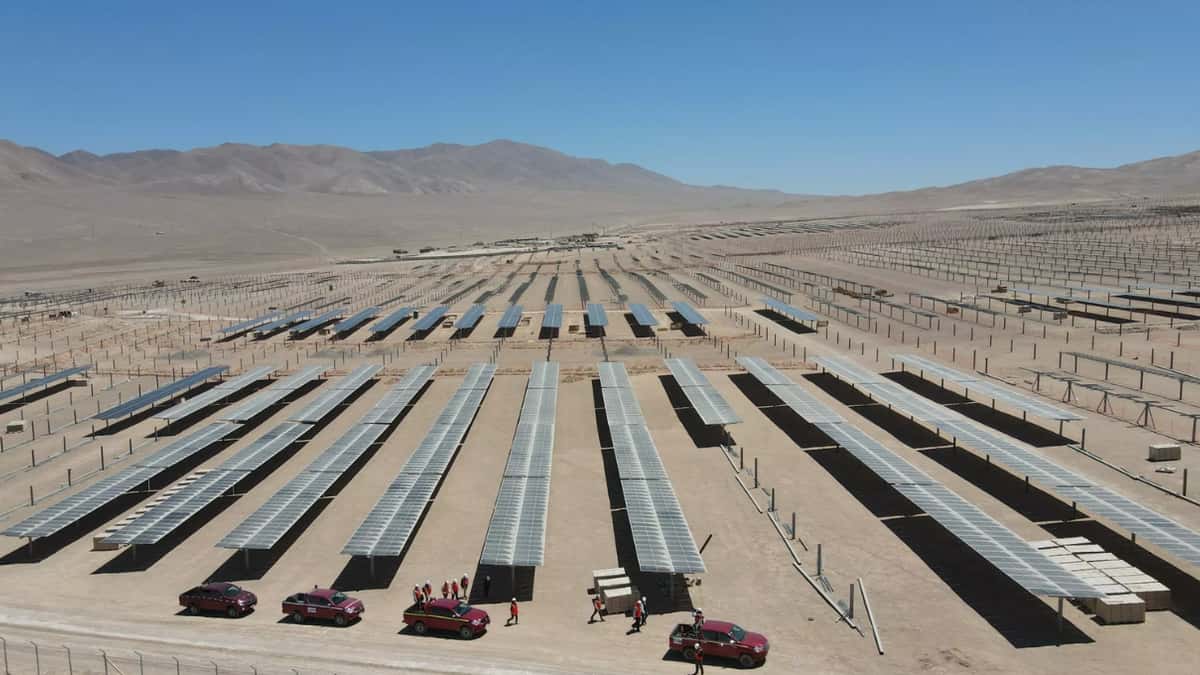
Why it matters: The project would add dispatchable capacity to Coquimbo’s solar fleet, but its environmental review must address impacts on native vegetation.
US$200 million — estimated project investment.
144.96 MW — planned photovoltaic plant capacity.
813.9 MWh — battery system storage capacity.
151.42 hectares — estimated area of vegetation intervention.
Las Cardas Solar SpA filed its Parque Fotovoltaico Las Cardas Solar project with Chile’s Environmental Impact Assessment System (SEIA) on November 18, 2026. The US$200 million proposal, planned for the rural Las Cardas sector in Coquimbo commune, includes a 144.96 MW solar plant and a battery energy storage system (BESS). The application is at the admission stage and does not yet have environmental approval.
Battery system is designed for five hours of delivery
The project design includes 219,296 photovoltaic panels on solar-tracking structures across five sectors. The overall footprint covers 320.16 hectares, including generation facilities, access routes and transmission infrastructure.
The BESS would comprise 182 containers, with installed power of 203.45 MW and storage capacity of 813.9 MWh. According to the submitted design, it would deliver approximately 145 MW continuously for five hours. The system is intended to store some of the plant’s output during periods of strong sunlight and supply it later, as photovoltaic generation falls.
For connection to Chile’s National Electric System, the proposal includes a 34.5/220 kV step-up substation and a 14.73-kilometre, 220 kV transmission line to the Nueva Pan de Azúcar Substation.
Native vegetation is a central environmental issue
The company submitted an Environmental Impact Assessment because it identified significant effects on vegetation during construction. The works are expected to intervene in about 151.42 hectares: 151.31 hectares of xerophytic formations and 0.11 hectares of native carbonillo forest.
Design changes exclude 16.41 hectares of guayacán preservation forest from intervention. Proposed measures include reforestation and 35 years of conservation on a 79-hectare site at the University of Chile’s Las Cardas Experimental Station. The plan also proposes rescuing and relocating 81 vulnerable plants: 80 guayacans and one Eriosyce aurata. Measures for bird protection and preventive wildlife management, along with archaeological and paleontological monitoring during construction, are also included. Their adequacy remains for the environmental authority to assess.
Construction schedule depends on approvals
Las Cardas Solar’s submitted schedule anticipates construction from March 2029 to February 2031, with commissioning planned for March 2031. The 24-month construction period could employ between 180 and 300 direct workers; operations are expected to require 10 to 20 people. The company estimates an operating life of 35 years, but the timetable is indicative and depends on environmental processing and other required permits.
Solar represented about 30% of installed generation capacity in the Coquimbo Region and supplied 40% of its electricity in the first half of 2026, according to regional authority figures cited in the project information. The proposal’s next step is its environmental assessment, including review of the vegetation impacts and the mitigation measures submitted by the company.
More in Resources
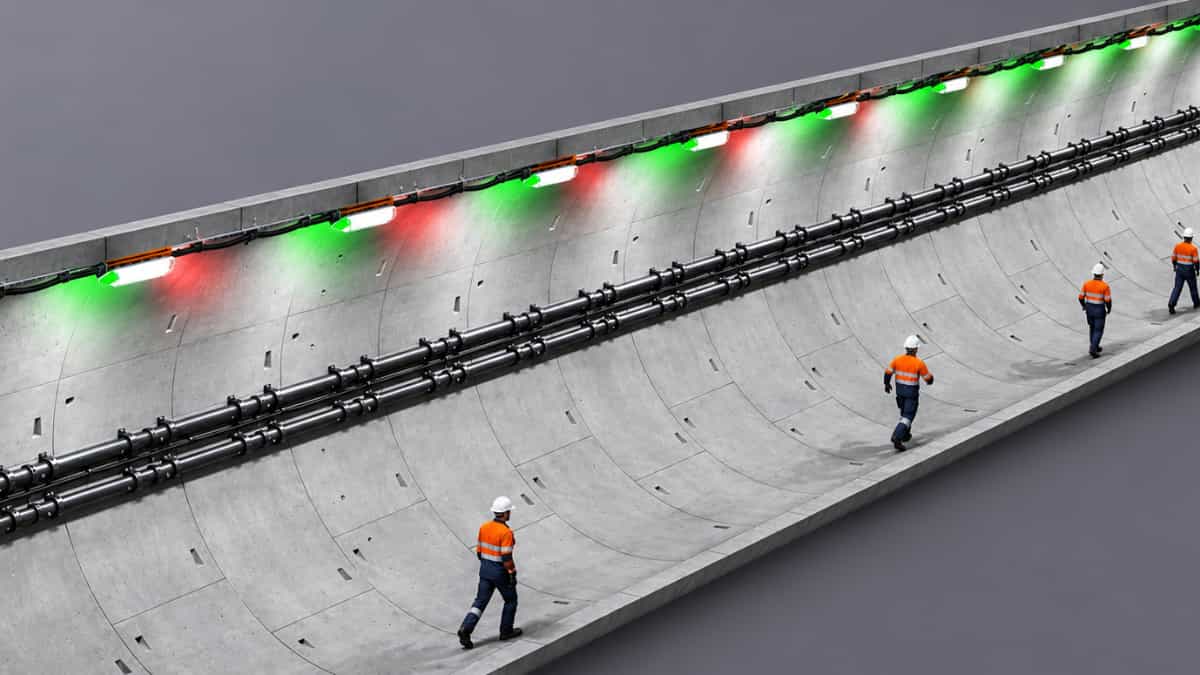
IoT Automation brings smart warning lights to Chilean mines, but safety gains remain unproven
Worker and vehicle tags trigger coloured alerts, but mine operators still need to establish how the system performs in live conditions.
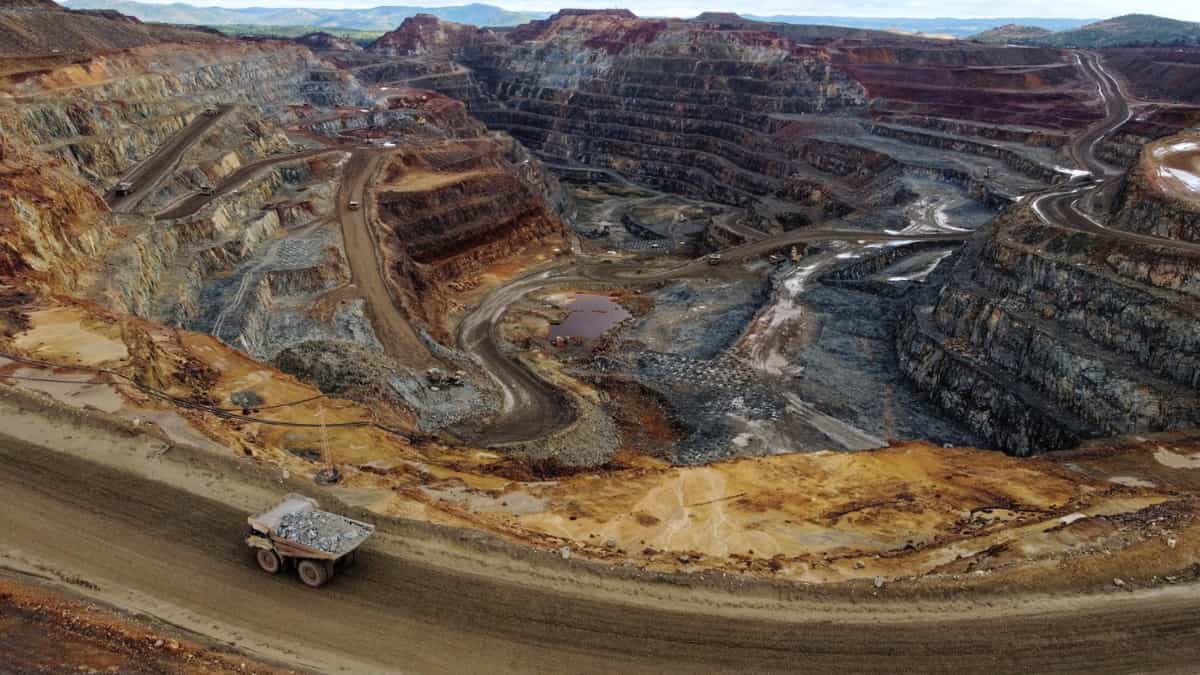
Chile mining delays could erode project values even after environmental approval
A favourable environmental decision can still be followed by litigation that holds up execution and leaves investment decisions exposed.
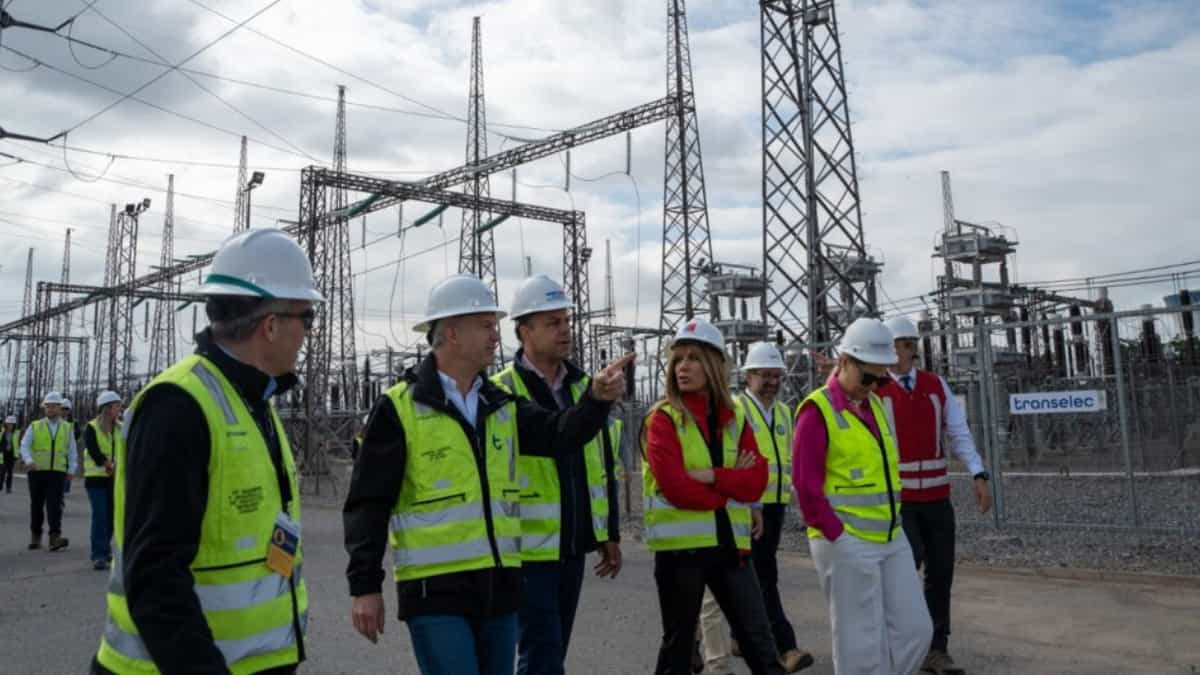
Metro de Santiago power works reach 85%, but Línea 7 still needs an underground link
At Cerro Navia, high-voltage equipment is being integrated before crews connect the substation to the new railway tunnel.