
Ivory Coast registers citizens after Guinea gold closures, but returns are not automatic
The consular search reaches six Forest Guinea prefectures and includes people whose livelihoods depended on the closed sites.
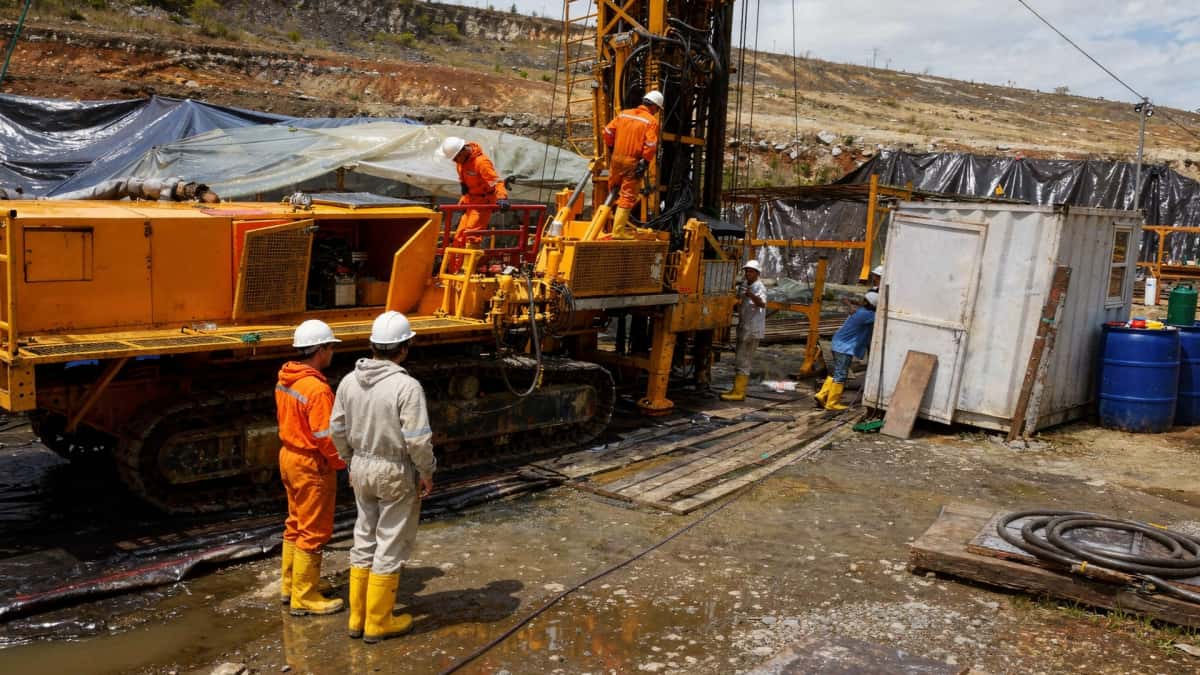
Why it matters: Guinea’s enforcement campaign is affecting people beyond the mine workforce, while any assistance or return will be assessed individually.
6 prefectures — the area covered by the consular registration in Forest Guinea.
60 sub-prefectures and 1,781 districts and villages — the localities included in the search network.
At least 10 dead and 13 injured — the reported toll from clashes in Balato on November 11, 2026.
More than 1,200 detentions and 224 convictions — figures reported during the crackdown.
The Ivory Coast honorary consulate in N’Zérékoré began registering citizens affected by the closure of illegal gold extraction sites in Guinea on November 21, 2026, to identify people needing assistance and assess whether they want to return home.
Repatriation has not been decided in advance. Consular staff will gather information and evaluate each person’s circumstances before determining what support may be appropriate, under the direction of Ivory Coast’s ambassador to Guinea, Issifou Coulibaly.
Search extends beyond mine workers
The registration covers people who worked at the sites as well as those whose income or livelihoods depended on the operations. To locate them, consular services will work across six prefectures in Forest Guinea, using a network spanning 60 sub-prefectures and 1,781 districts and villages.
The broader scope reflects the economic links around the closed sites: the consulate is seeking to identify affected residents beyond direct mining employees. The registration is intended to establish their circumstances and needs before assistance is determined. No total has been provided for the number of Ivorians affected or how many may request help or opt to return.
Registration follows Guinea’s illegal mining crackdown
The consular effort comes as Guinean authorities pursue a campaign against illegal gold extraction that began in early November and has been particularly active in the Siguiri area. The operations have been accompanied by worker departures, arrests and tensions.
In Balato, clashes on November 11 left at least 10 people dead and 13 injured. More than 1,200 detentions had been reported by November 15, and courts in Guinea had issued 224 convictions in the Siguiri case.
The consular registration addresses the impact of site closures on Ivory Coast citizens; it does not set out a timetable for completing the assessment or arranging any returns.
Consulate accepts requests in N’Zérékoré
Affected people can visit the honorary consulate in the Ossud neighbourhood, near the offices of the United Nations High Commissioner for Refugees, or call +224 611 77 33 83. An individual assessment will determine whether support is needed and whether returning to Ivory Coast is an appropriate option.
More in Resources

Bank of America sees Chilean peso recovery in 2027, but sets no target
The dollar recently traded near $1,020 in Chile, while the bank’s thesis depends on a reversal in copper and oil conditions.
GreenLight’s Bend drilling plan advances in Wisconsin, but tribal concerns persist
The federal proposal covers less than eight acres, but representatives say its safeguards do not fully address wetlands and cultural sites.
Energy Fuels plans White Mesa uranium campaign as Pinyon Plain output faces decline
Pinyon Plain's expected decline puts four projects in focus, but each faces a different hurdle before it can contribute.