
Bank of America sees Chilean peso recovery in 2027, but sets no target
The dollar recently traded near $1,020 in Chile, while the bank’s thesis depends on a reversal in copper and oil conditions.

Why it matters: A stronger peso would depend on Chile capturing a wider copper-and-energy trade advantage after oil costs and mine disruptions blunted gains from copper.
10% — estimated Chilean peso undervaluation against economic fundamentals
US$16,000 per tonne — copper price forecast for 2027
3% — Bank of America’s projected Chilean economic growth in 2027
5% — projected policy rate after a possible 50-basis-point increase in the second half of 2027
Bank of America Global Research expects the Chilean peso to recover in 2027, estimating that it is currently about 10% undervalued relative to economic fundamentals. The bank did not set a specific exchange-rate target. Its outlook comes as the dollar moved above $1,000 in Chile and traded near $1,020 on the morning of Monday, Nov. 23.
The forecast appears in the bank’s LatAm FX: Long PEN, bullish CLP report, by strategists Ezequiel Aguirre, David Hauner and Claudio Irigoyen. Its case for the peso rests partly on expected changes in Chile’s commodity terms of trade, alongside a projected recovery in economic activity.
Copper and oil assumptions underpin the currency call
Bank of America expects copper to reach US$16,000 per tonne in 2027, equivalent to about US$7.26 per pound, while Brent crude falls to US$80 per barrel. Chile’s position as a major copper exporter and net energy importer makes that combination potentially supportive for the economy and its currency, the bank said.
The report says higher oil costs in 2026 made the peso one of the region’s most affected currencies. Energy expenses, alongside interruptions to mining production, also limited the benefit Chile received from elevated copper prices. A reversal in those conditions could improve the peso’s support from trade flows, although the forecast depends on the expected commodity prices materialising.
The bank projects a current-account surplus equal to 0.5% of GDP in 2026, followed by a deficit of 1% in 2027. Both estimates are narrower than the historical average deficit of about 4% of GDP since 2010, according to the report. The projected 2027 move back into deficit therefore does not erase the improvement relative to that longer-term benchmark.
Growth and interest rates add domestic support
Bank of America forecasts Chilean GDP growth of 3% in 2027, at the upper end of the 2% to 3% range in the Central Bank’s September 2026 Monetary Policy Report. It links the outlook partly to a recovery in private investment and improved conditions for business activity.
The report identifies economic reforms, deregulation and faster environmental-permit processing as factors that could support business confidence and attract investment. Greater capital inflows could add to demand for pesos, but the bank’s forecast does not specify how much currency appreciation those flows might produce.
On monetary policy, Bank of America expects the central bank to raise its policy rate by 50 basis points in the second half of 2027, to 5%, from the 4.5% level maintained at its October 2026 meeting. It allows that the adjustment could come earlier or be larger, depending on economic conditions.
The outlook remains exposed to weaker copper prices, possible US tariffs on refined copper and slower-than-expected Chilean growth. Those risks, together with the absence of a specific exchange-rate target, leave the forecast dependent on the external and domestic conditions assumed in the bank’s projections.
More in Resources
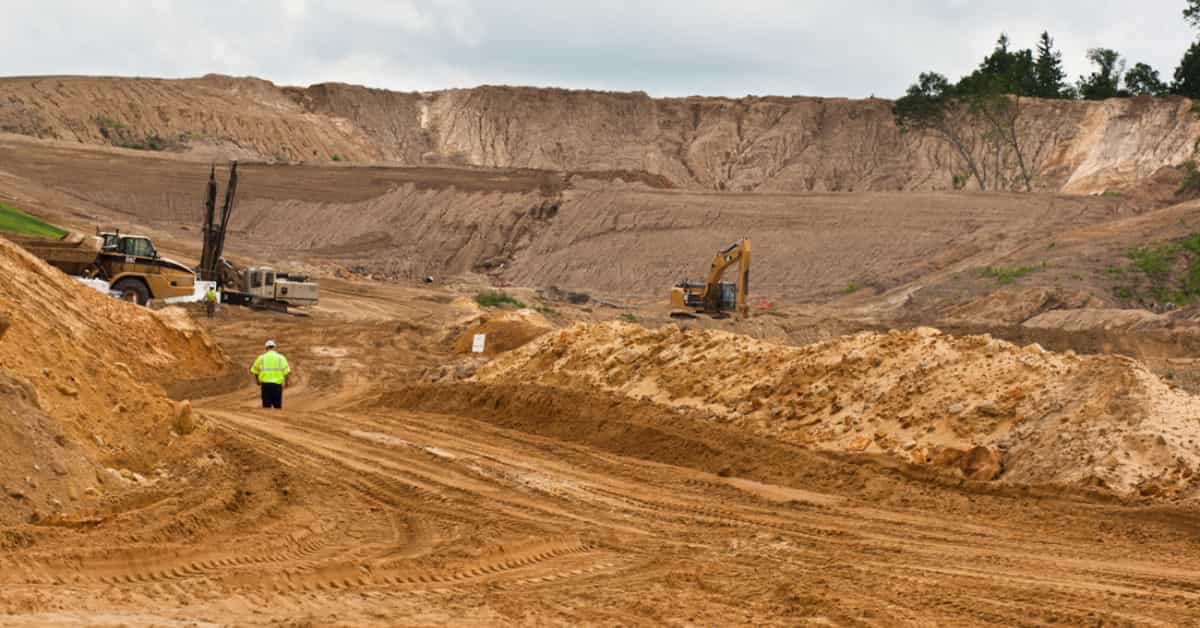
GreenLight’s Bend drilling plan advances in Wisconsin, but tribal concerns persist
The federal proposal covers less than eight acres, but representatives say its safeguards do not fully address wetlands and cultural sites.
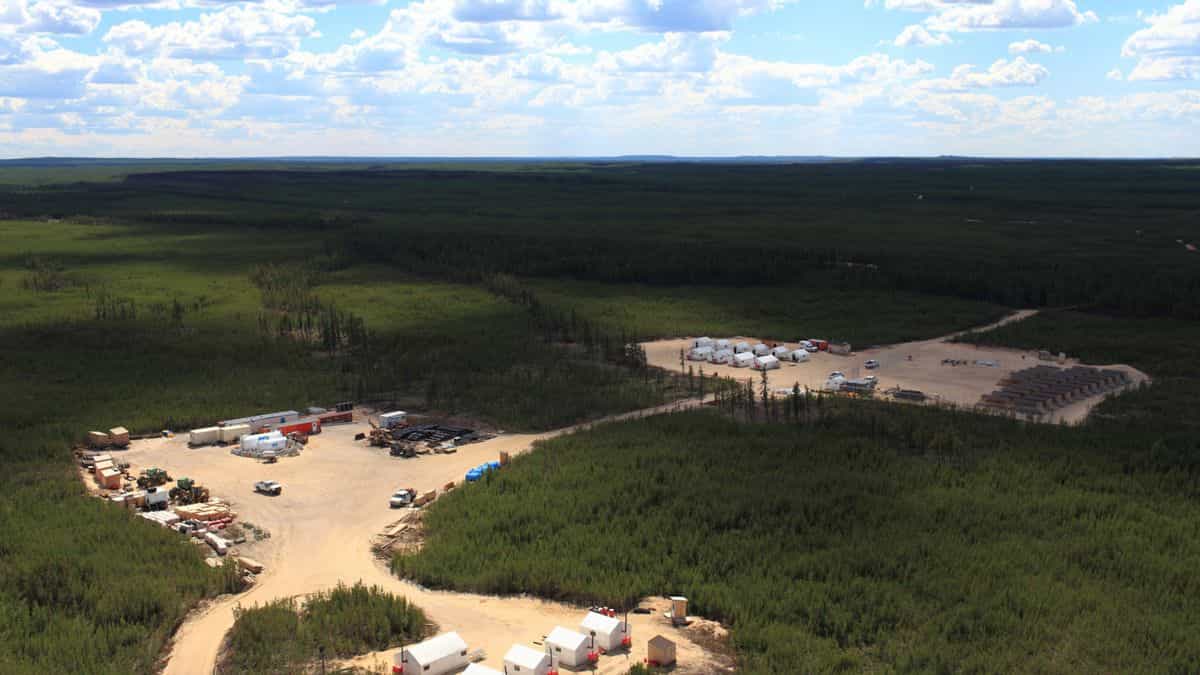
Energy Fuels plans White Mesa uranium campaign as Pinyon Plain output faces decline
Pinyon Plain's expected decline puts four projects in focus, but each faces a different hurdle before it can contribute.
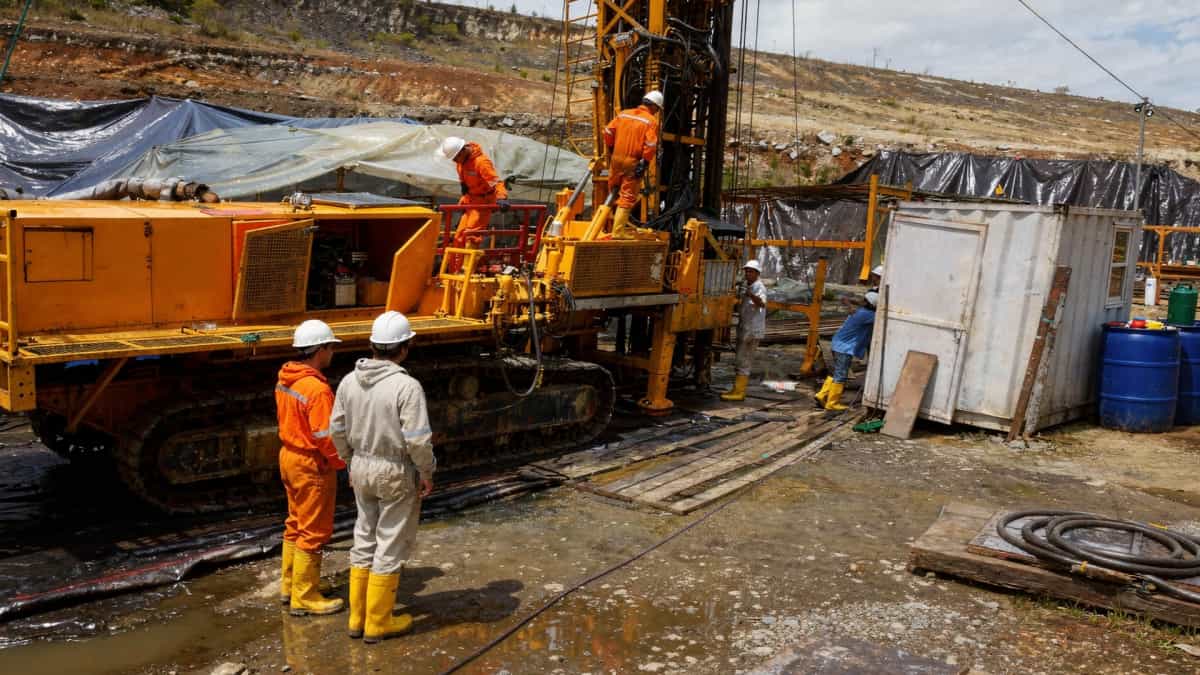
Ivory Coast registers citizens after Guinea gold closures, but returns are not automatic
The consular search reaches six Forest Guinea prefectures and includes people whose livelihoods depended on the closed sites.