
GreenLight’s Bend drilling plan advances in Wisconsin, but tribal concerns persist
The federal proposal covers less than eight acres, but representatives say its safeguards do not fully address wetlands and cultural sites.
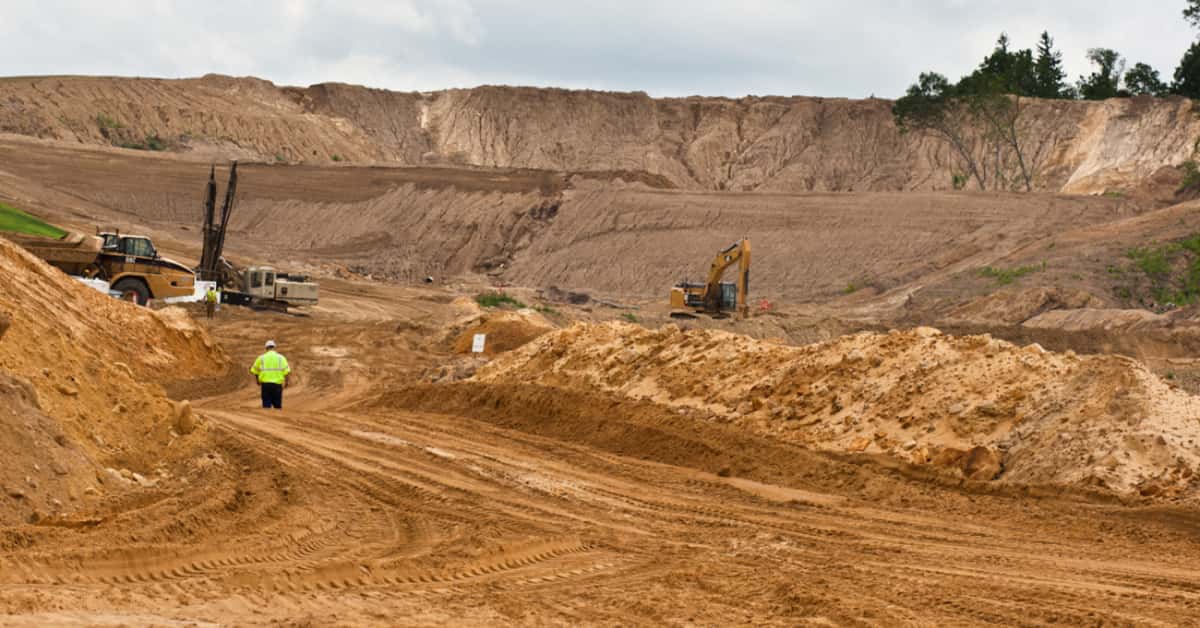
Why it matters: Federal approval of exploration at a copper-gold deposit in sensitive wetlands and a historic tribal landscape would not settle the separate question of whether it can be developed as a mine.
25 holes — proposed for up to 30,000 feet of drilling on federally owned minerals.
About 4.2 million tonnes — the reported amount of ore in the Bend deposit, mainly containing copper and gold sulphides.
Less than eight acres — the proposed federal work area, including about three acres of wetlands.
More than US$2 million — GreenLight’s estimated cost for the exploration program.
The U.S. Forest Service has given preliminary approval to GreenLight Wisconsin’s plan to expand copper and gold exploration at the Bend deposit in Taylor County, Wisconsin. The decision moves the proposal closer to a prospecting permit from the Bureau of Land Management (BLM), but does not authorize drilling. Federal review continues amid objections about potential effects on wetlands, forests and tribal cultural sites.
The Forest Service’s preliminary assessment, prepared jointly with the BLM, concluded that the proposed work would not have a reasonably foreseeable significant impact on the human environment. That finding is not a final permit decision, and consultation with tribes is ongoing. The Forest Service is accepting objections through December 14 from people who previously commented; the BLM could complete its permit decision in February.
Bend drilling would target federally owned minerals
GreenLight Metals, a Canadian company operating as GreenLight Wisconsin, already leases mineral rights from Soo Line Railroad and has drilled on a 40-acre parcel. The new program would target federally owned minerals within the same deposit, using up to 25 holes and 30,000 feet of drilling.
Company vice-president Steve Donohue said the data would support a more detailed economic assessment of whether the resource could be developed as a mine. He said a mining operation would be years away; the plan under review is for exploration, not mine construction. The company estimates the program would cost more than US$2 million.
The Forest Service requires drilling in wetlands to take place when the ground is frozen. Donohue has argued that exploration would have less environmental impact than a small logging operation. That comparison has not satisfied all critics, who question whether the assessment uses current data and adequately examines road building, vehicle tracks on wet ground, effects on old-growth forest and management of sulphide-bearing drill cuttings.
Sulphide drainage and cultural sites remain points of dispute
Sulphide minerals can react with air and water to form sulphuric acid, creating the risk of acid drainage. The Forest Service said the amount of material expected would be small and that there is no known history of acid drainage from exploration at the site. Its assessment also identifies measures intended to limit effects on groundwater.
The Great Lakes Indian Fish and Wildlife Commission, which represents 11 Ojibwe tribes and their treaty rights, raised concerns about invasive species and old-growth forest. The commission’s environmental section leader, John Coleman, said applying the frozen-ground requirement across the program would reduce erosion and the risk of disturbing archaeological objects.
The Forest Service identified three known cultural sites that could be exposed, including Big and Little Indian Farms. The area is listed on the National Register of Historic Places and is considered an ancient tribal village, with trails and burial sites nearby. The agency concluded that drilling would not affect the identified sites, while tribal consultation continues. The Lac du Flambeau Band of Lake Superior Chippewa said in a lawsuit last year that a nearby burial site lies within the Bend deposit.
State reviews are separate from the federal decision
The federal assessment also considered possible water withdrawals from the North Fork Yellow River and reduced flows during drought. Agencies did not expect significant effects on aquatic species, but included conditions requiring GreenLight to maintain adequate flows. Their review considered the federally endangered gray wolf and northern long-eared bat, as well as the threatened wood turtle; the agencies found the proposed work was unlikely to put their populations at risk.
Wisconsin is separately reviewing a company application for authorization to affect wetlands and waterways. State metallic-minerals coordinator Molly Gardner said the company had recently submitted the application and that officials were seeking additional information. The BLM’s decision on the prospecting permit remains pending.
More in Resources

Bank of America sees Chilean peso recovery in 2027, but sets no target
The dollar recently traded near $1,020 in Chile, while the bank’s thesis depends on a reversal in copper and oil conditions.
Energy Fuels plans White Mesa uranium campaign as Pinyon Plain output faces decline
Pinyon Plain's expected decline puts four projects in focus, but each faces a different hurdle before it can contribute.
Ivory Coast registers citizens after Guinea gold closures, but returns are not automatic
The consular search reaches six Forest Guinea prefectures and includes people whose livelihoods depended on the closed sites.