
Haldeman wins US$63m approval for Sagasca, but restart is not immediate
The mine remains temporarily halted, and the plan depends on rehabilitating existing copper-processing facilities rather than building a new plant.

Why it matters: Sagasca’s proposed return would put existing underground and SX-EW assets back into use, but approval alone does not restart production.
US$63 million — estimated investment for the project
21 years — proposed extension to the operation’s useful life
111,000 tonnes per month — maximum planned extraction rate at Longacho
Haldeman Mining Company’s Sagasca project in Chile’s Tarapacá Region received environmental approval on November 19, clearing a regulatory step toward restarting a temporarily halted operation. The project proposes resuming underground mining at Longacho and rehabilitating existing facilities to produce copper cathodes. The approval does not mean production will resume immediately.
The regional Environmental Evaluation Commission approved the project, titled “Operational Continuity and Modification of the Sagasca Mining Project,” after its review under an Environmental Impact Declaration. The operation spans the communes of Pozo Almonte and Pica. Haldeman estimates the investment at US$63 million and says the plan would extend the mine’s useful life by 21 years.
Longacho mining plan sets a 16-year extraction period
The project would restart mining at the Longacho underground mine, originally authorised under Environmental Qualification Resolution No. 61/2000. Its mining plan provides for an extraction period of 16 years, with a maximum rate of 111,000 tonnes of ore per month. That figure is an extraction capacity, not a forecast of copper cathode output.
The project’s stated 21-year life extension and Longacho’s 16-year extraction period describe different aspects of the plan. The materials provided do not give a production restart date or a cathode output forecast.
Existing Sagasca facilities would handle copper recovery
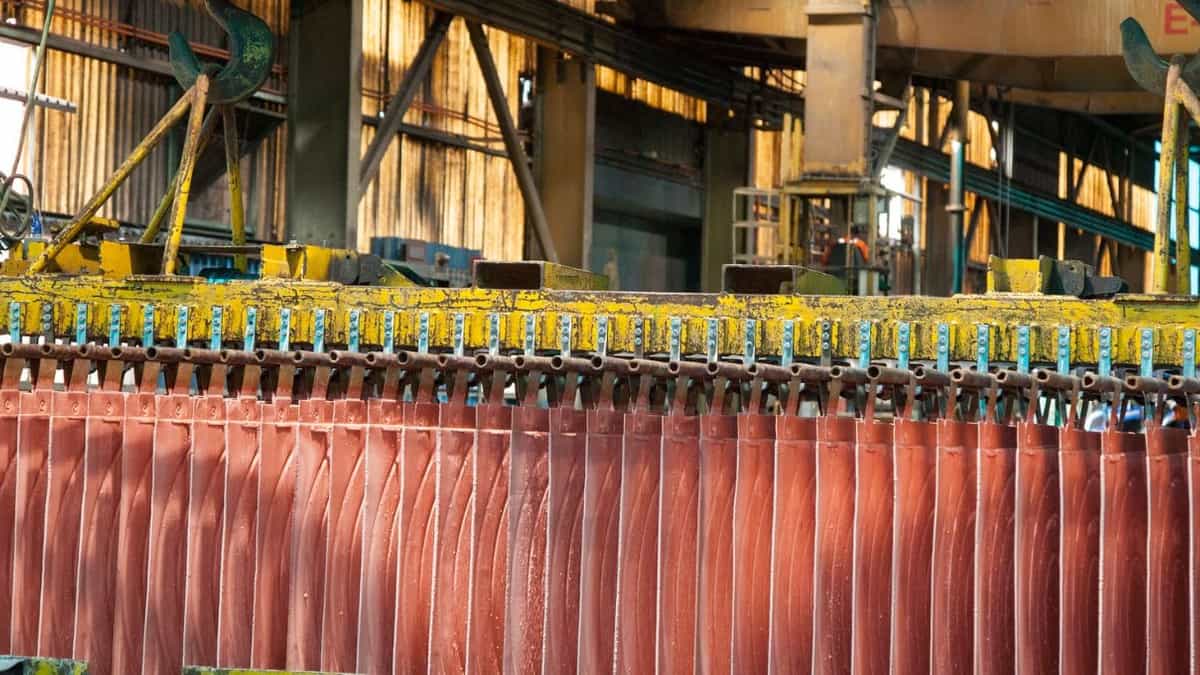
Ore from Longacho would be crushed and agglomerated before being placed on leach pads and irrigated with sulfuric acid. The resulting copper-bearing solution would then pass through solvent extraction and electrowinning, or SX-EW, to produce copper cathodes.
The plan calls for adapting, rehabilitating and recovering infrastructure already at Sagasca. Reusing those assets is central to the proposed operational continuity, but the facilities require work before they can support the planned processing route. The project does not describe the approval as an immediate restart.
Environmental review included public participation
The project entered Chile’s Environmental Impact Assessment System in May 2025 and was accepted for review in June. A 20-business-day public participation process followed a resolution published by the Environmental Assessment Service in August 2025. The file was later supplemented with additional information and a consolidated environmental assessment report before going to the regional commission.
The approval advances the project through environmental review. Haldeman’s plan still depends on completing the required rehabilitation and modifications to the mine and processing facilities; no production start date is specified.
More in Resources
IEA copper outlook improves, but Chile faces a race to sustain mine output
New projects in the Democratic Republic of the Congo and Zambia have altered the supply outlook, while Chile's mature operations face a separate production test.
Aysén lawmakers press Chile energy ministry on isolated-grid law’s status
The proposed framework targets tariffs and supply continuity in communities beyond the national grid, where fuel logistics shape operating costs.
Chile clears Estepa II battery for grid services as monitoring duties remain
The system's fast-response tests are approved, but one-second performance records are still required for service verification.