
IEA copper outlook improves, but Chile faces a race to sustain mine output
New projects in the Democratic Republic of the Congo and Zambia have altered the supply outlook, while Chile's mature operations face a separate production test.
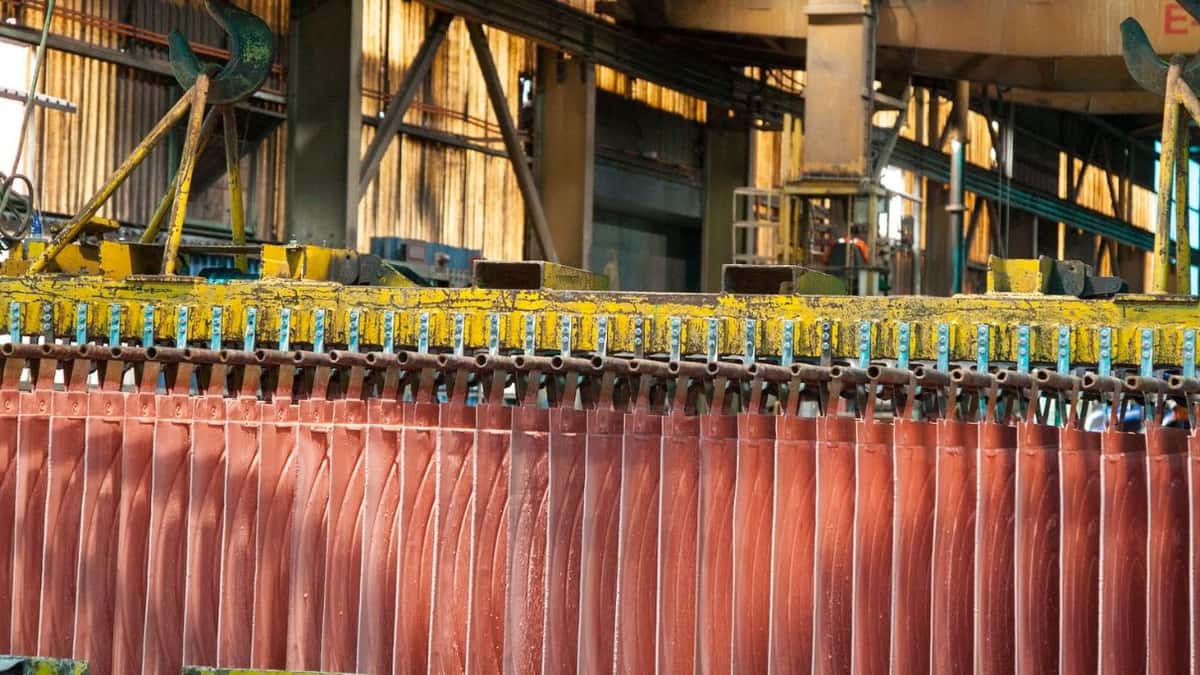
Why it matters: A projected copper shortfall puts pressure on mine investment and raises the stakes for Chile as it seeks to maintain production and capture more value at home.
25% — projected gap between available mine supply and primary copper requirements in 2035
26 million kilometres — new power lines projected globally by 2035 under the IEA’s STEPS scenario
About 7 million tonnes — projected increase in global copper demand by 2040
About one-quarter — share of global mined copper produced by Chile
The International Energy Agency (IEA) projects that available mined copper could fall 25% short of primary copper requirements in 2035, even with new projects included, according to its World Energy Outlook 2026, published on November 19. The forecast uses the agency’s Stated Policies Scenario (STEPS) and is a projected supply gap, not evidence of a current shortage.
The outlook is less severe than the gap of nearly 30% forecast in 2025. Projects and expansions in the Democratic Republic of the Congo and Zambia account mainly for the revision, but the IEA still identifies copper as one of the minerals facing the greatest structural supply challenges over the next decade.
African projects narrow the projected gap
Under STEPS, the IEA compares expected output from operating mines and announced projects with primary copper requirements, after accounting for secondary supply from recycling. The five-percentage-point improvement reflects a stronger project pipeline, but the agency’s estimate still points to a difference between expected mine production and demand in 2035.
That gap is conditional, not inevitable. New projects could reduce it if they secure investment, permits and infrastructure and enter production as planned. Delays could widen it. The forecast therefore describes a supply risk under stated assumptions rather than a loss of production already recorded.
Power networks add to demand
Electrification is a major driver of expected copper use, from transmission and distribution networks to renewable energy, electric vehicles and industrial equipment. The IEA’s STEPS scenario projects 26 million kilometres of new power lines worldwide by 2035. It also estimates that about 16 million kilometres of existing infrastructure will need replacement or upgrading, requiring copper-intensive conductors, transformers and other equipment.
The agency’s critical-minerals outlook projects that global copper demand could rise by about 7 million tonnes by 2040. While the percentage increase is lower than for some battery materials, copper’s broad use in electrical infrastructure makes the additional volume a substantial supply challenge.
Chile’s production depends on investment and infrastructure
Chile produces close to a quarter of the world’s mined copper, and the metal and related activities account for about half of the country’s export revenues and roughly 12% of gross domestic product, according to the IEA. Yet rising global demand does not guarantee higher Chilean output. In its energy roadmap for the country to 2050, the agency says production could peak in the early 2030s without projects beyond those currently considered. That projection depends on the existing project pipeline and is not a fixed deadline for the industry.
Declining ore grades at mature deposits mean mines may have to process more rock to recover the same amount of copper, potentially requiring additional processing capacity, energy and water. Deeper workings, geological complexity and environmental requirements add to the technical and economic demands. The IEA also noted that while global spending on critical minerals fell 9% in 2025, investment by copper-focused companies rose about 8%—a sign of sector interest, but not a guarantee that projects will be built on schedule.
New discoveries, viable expansions and improved recovery will all influence Chile’s ability to compete with growing African supply. Desalination, water pumping and power transmission can enable operations, but require financing and may increase capital costs, particularly where projects are distant from existing infrastructure.
Refining is a separate value-chain decision
The IEA says Latin America refined an average of only 20% of the main energy minerals it extracted in 2025, excluding lithium. In an analytical scenario, the region could generate around US$220 billion in economic value in 2035 by refining two-thirds of its mined copper locally, alongside all of certain other critical minerals. This is a regional scenario, not guaranteed revenue or a Chile-specific forecast.
Expanding refining faces commercial and technical hurdles. China holds close to half of global copper smelting capacity, while low treatment and refining charges have weakened the economics of many facilities elsewhere. Chile’s ability to add domestic processing will depend on costs, energy, concentrate availability, environmental technology and investment. The next test is whether exploration, mine projects and enabling infrastructure advance in time to shape the supply available in the 2030s.
More in Resources
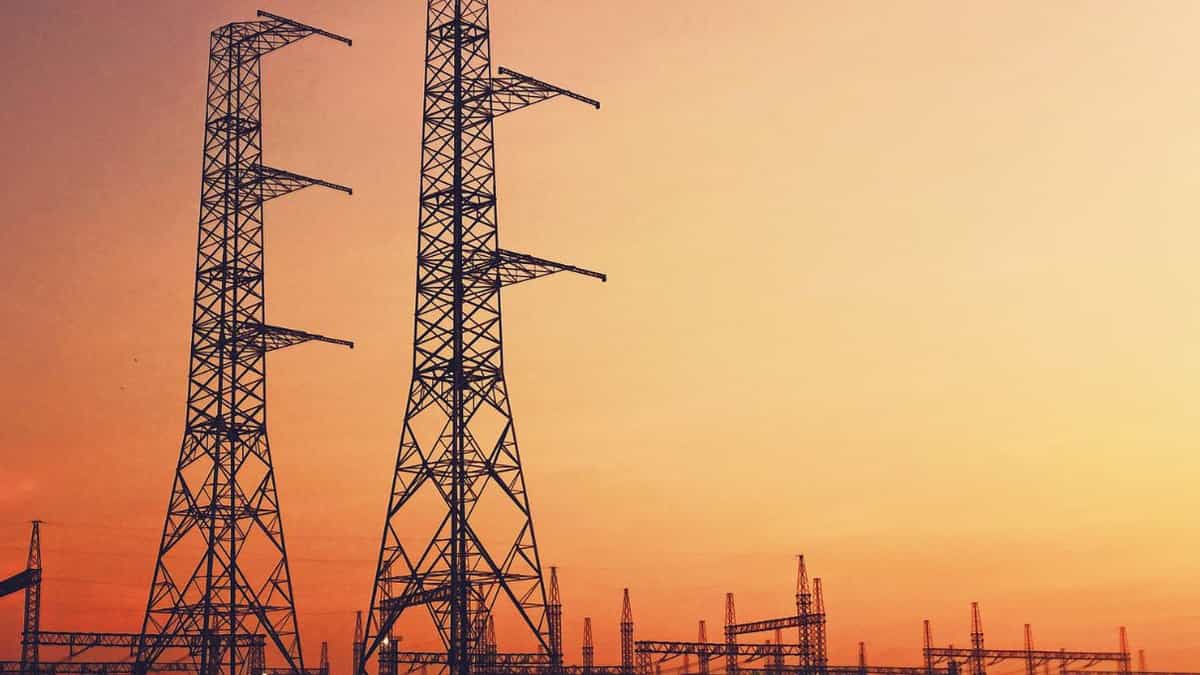
Aysén lawmakers press Chile energy ministry on isolated-grid law’s status
The proposed framework targets tariffs and supply continuity in communities beyond the national grid, where fuel logistics shape operating costs.
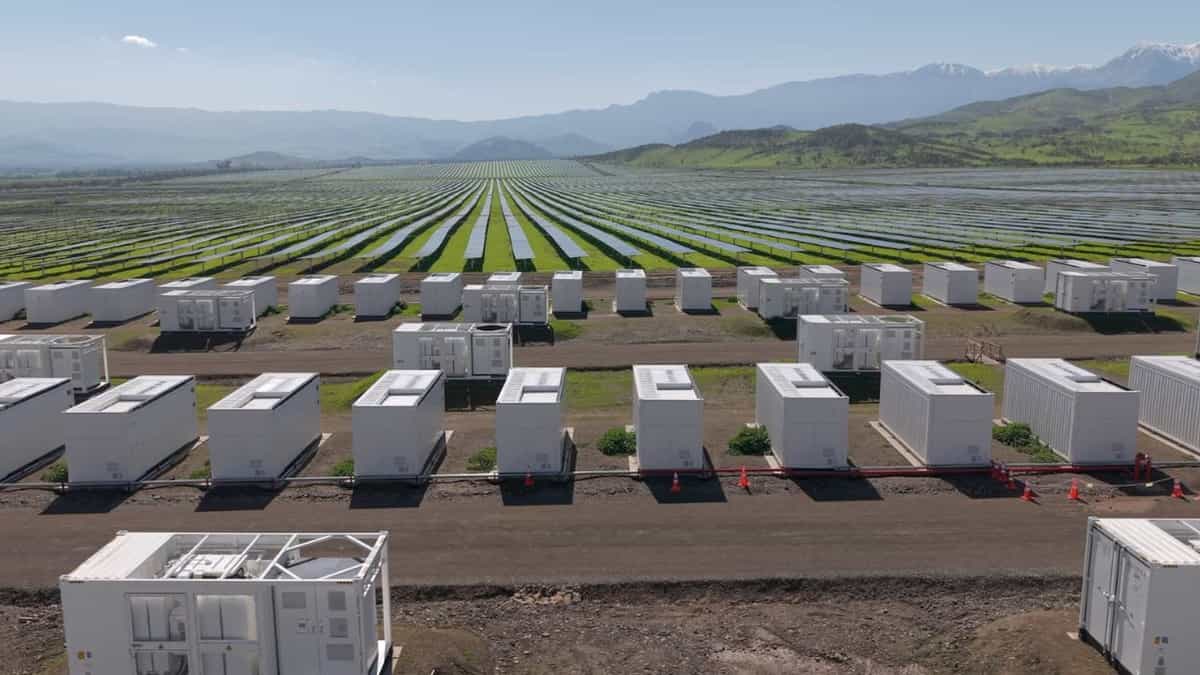
Chile clears Estepa II battery for grid services as monitoring duties remain
The system's fast-response tests are approved, but one-second performance records are still required for service verification.
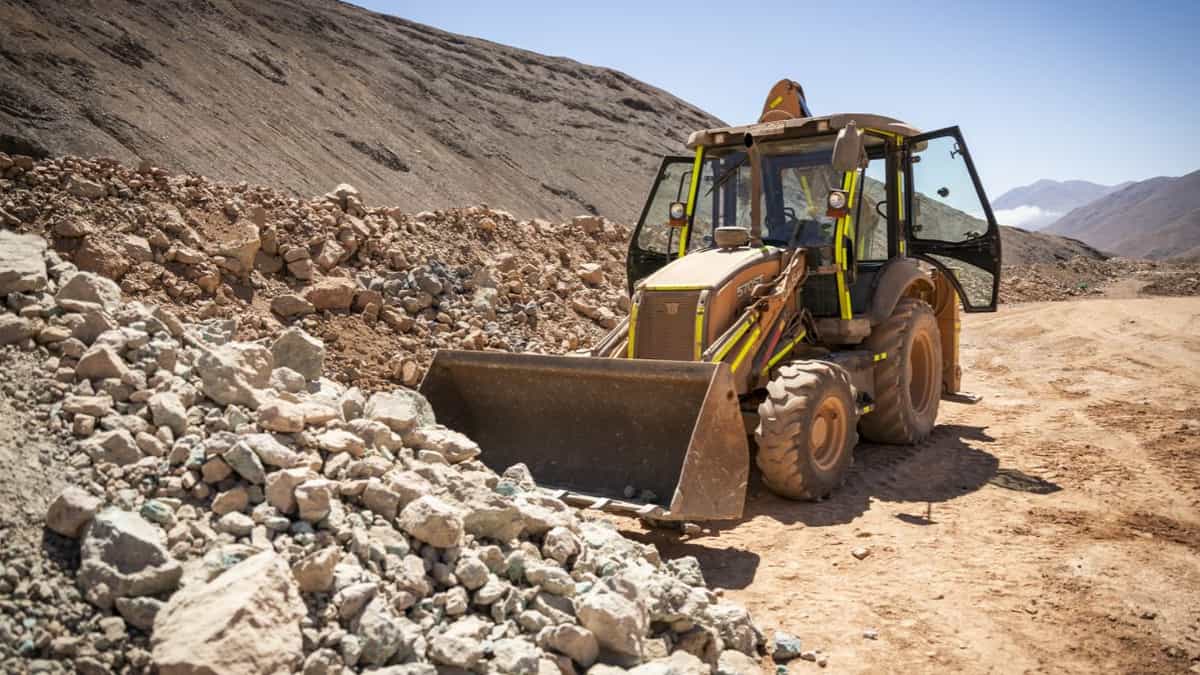
Chile reopens PAMMA aid for storm-hit miners, but damaged access still holds operations back
The second round targets producers in Huasco, Tierra Amarilla and Coquimbo after July storms disrupted routes into mine sites.