
Aysén lawmakers press Chile energy ministry on isolated-grid law’s status
The proposed framework targets tariffs and supply continuity in communities beyond the national grid, where fuel logistics shape operating costs.
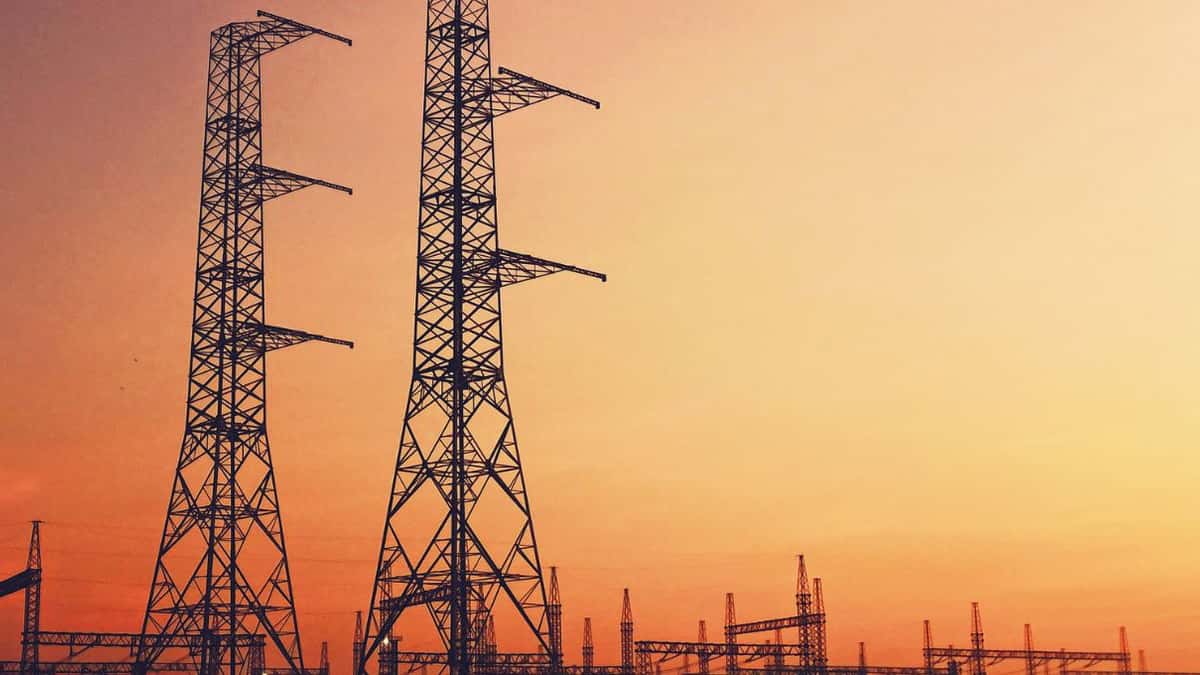
Why it matters: Any rules for Aysén’s isolated grids will have to address fuel-linked costs without weakening supply reliability for communities outside the national network.
18 November 2026 — the committee adopted its request during a session chaired by deputy Cristián Tapia Ramos.
19 November 2026 — the request was formalized in an official letter to Energy Minister Ximena Rincón.
115/12/2026 — the number of the letter seeking an update on the proposed legislation.
The Chamber of Deputies and Deputies’ Mining and Energy Commission has asked Chile’s Energy Ministry for the status of a proposed law to regulate isolated electricity systems in the Aysén Region. The request seeks an update on a government commitment, but the commission’s letter does not confirm that a bill has been introduced in Congress or set a deadline for presenting one.
Commission focuses on tariffs, fuel and supply
The commission adopted the request on 18 November and sent it to Minister Ximena Rincón the following day. Its letter identifies three priorities for the proposed framework: the tariff regime, dependence on fuels and continuity of electricity supply in communities operating beyond the country’s main interconnected grids.
The request concerns systems serving localities that are not connected to the National Electric System. Aysén’s distances, dispersed population and connectivity challenges complicate energy infrastructure development and can raise supply costs, according to the material accompanying the request.
Fuel exposure shapes the regulatory challenge
In systems that use thermal generation, operating costs are exposed to fuel prices and availability, as well as the logistics of transporting fuel. The commission’s request names fuel dependence as an issue for the proposed legislation, but does not set out specific regulatory measures or identify a preferred generation mix.
Any future framework will need to address those cost pressures alongside reliable service, while avoiding excessive costs for users. The letter does not provide details on how tariffs might be set or how the government intends to reduce reliance on fuels.
The ministry has been asked to report on the status of the commitment. The commission’s document does not establish whether legislative drafting is underway, when a proposal could be submitted, or what measures it may contain.
More in Resources
IEA copper outlook improves, but Chile faces a race to sustain mine output
New projects in the Democratic Republic of the Congo and Zambia have altered the supply outlook, while Chile's mature operations face a separate production test.
Chile clears Estepa II battery for grid services as monitoring duties remain
The system's fast-response tests are approved, but one-second performance records are still required for service verification.
Chile reopens PAMMA aid for storm-hit miners, but damaged access still holds operations back
The second round targets producers in Huasco, Tierra Amarilla and Coquimbo after July storms disrupted routes into mine sites.