
GEM Mining models how a small plant constraint could threaten annual copper output
Copper Ridge had no spare processing capacity in the base case, while the model also tested whether buffers elsewhere could absorb a disruption.
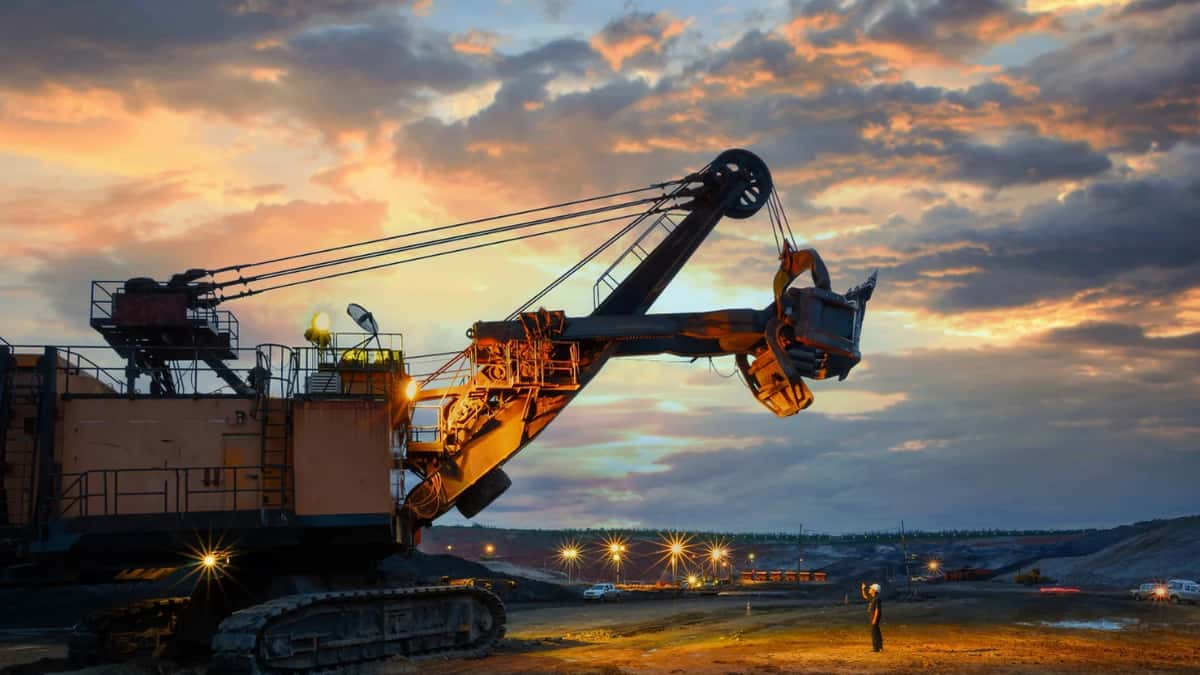
Why it matters: The model shows how a plant running at full capacity can leave a mine without a practical way to recover lost processing later in the year.
180,000 tonnes — first-quarter processing-capacity restriction tested
102,900 tonnes — Copper Ridge’s annual target for fine copper
12.8% to 2.3% — modelled probability of meeting that target after the restriction
1,000 scenarios — assessed using Monte Carlo simulation
GEM Mining Consulting’s model found that a 180,000-tonne restriction on first-quarter processing capacity cut the estimated probability of meeting a fictional copper mine’s annual production target from 12.8% to 2.3%. The change represents a decline of 10.5 percentage points in the modelled likelihood of producing 102,900 tonnes of fine copper.
The exercise, titled “The plan did not change. The mine did,” was developed by Manuel Cordero, the consultancy’s planning lead. GEM created a hypothetical operation called Copper Ridge and used the @RISK tool to test 1,000 scenarios involving mine sequencing, haulage, ore stocks and processing capacity. The results are from a modelling exercise only and do not describe the performance of an operating mine.
Full plant utilisation left no room to recover lost tonnes
In the base case, the plant operated at 100% of capacity. That left no additional processing capacity in later months to make up for material not processed during the first quarter. The model therefore linked the relatively limited initial restriction to a lower likelihood of achieving the full-year target: the constraint affected a stage with no recovery margin.
GEM also tested the same disruption with 5% additional plant capacity available to recover delays. Under that scenario, the restriction no longer affected the modelled probability of meeting the annual commitment. The contrast points to the role of operational flexibility in production planning, rather than the size of a disruption alone.
Ore stocks and haulage produced different trade-offs
A separate scenario reduced available ore stocks by 1 million tonnes. In the model, that change had almost no effect on the probability of meeting the annual copper target, reflecting the flexibility assumed elsewhere in the operation. The comparison suggests that a larger-tonnage deviation does not automatically carry more production risk than a smaller one at a less flexible stage.
GEM also modelled a 10% increase in haul-road length. Assuming dispatch could defer pre-stripping work, the change did not affect annual copper output. But the decision left 2.6 million tonnes of waste to be removed in later periods, shifting work and operational exposure beyond the year under review.
The model puts recovery assumptions under scrutiny
GEM said miners should compare planning assumptions with current physical operating conditions, including equipment availability, processing limits, haulage constraints and ore stocks. It also recommended identifying stages with no recovery margin and checking whether contingency measures are executable in practice.
The exercise demonstrates that the production impact of a deviation depends on where it occurs and what capacity remains elsewhere in the system. Its findings are specific to Copper Ridge’s assumptions; the next step for an operating mine would be to test its own constraints and recovery options against current conditions.
More in Resources
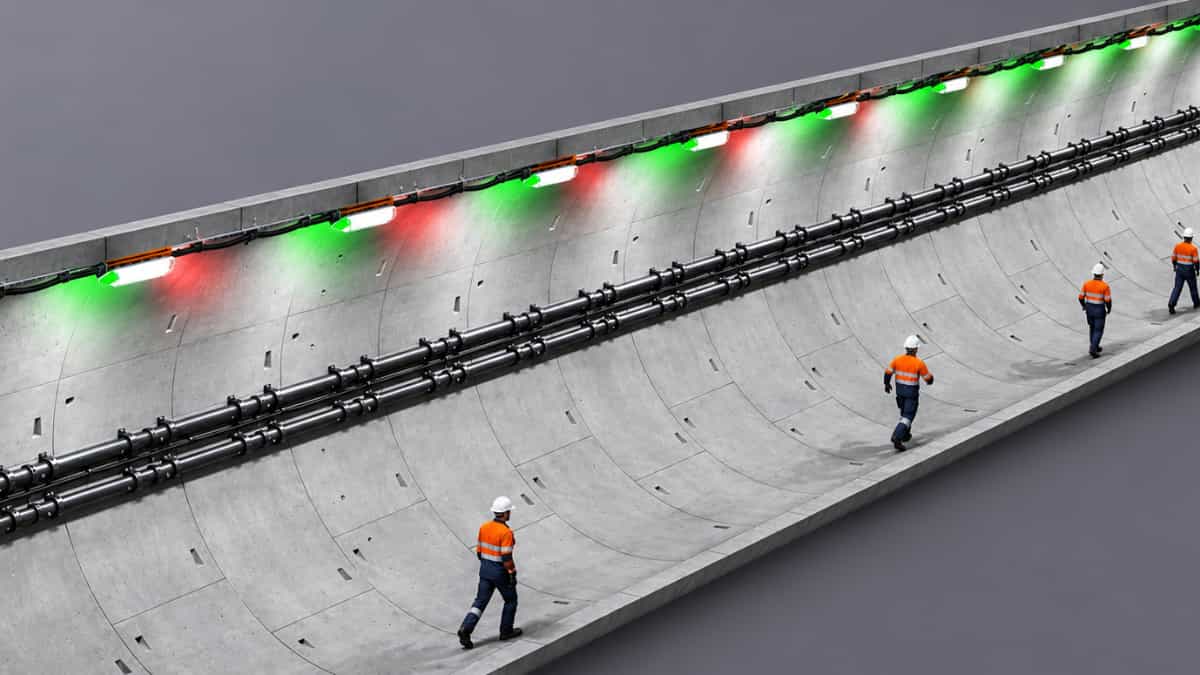
IoT Automation brings smart warning lights to Chilean mines, but safety gains remain unproven
Worker and vehicle tags trigger coloured alerts, but mine operators still need to establish how the system performs in live conditions.
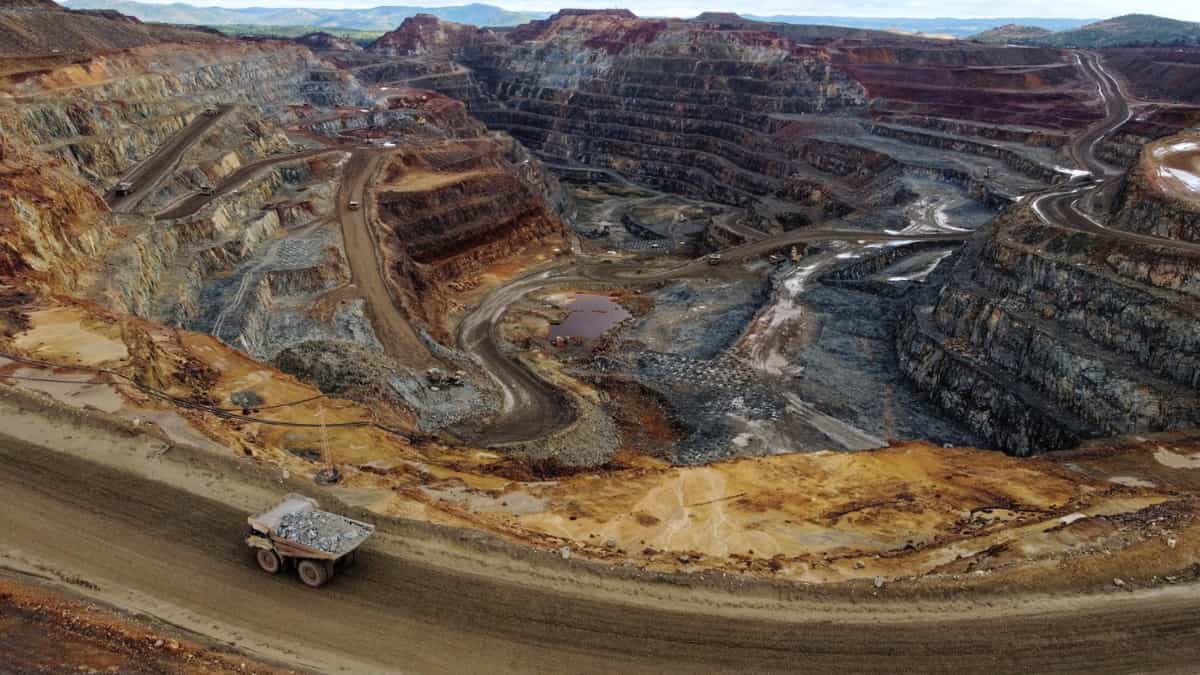
Chile mining delays could erode project values even after environmental approval
A favourable environmental decision can still be followed by litigation that holds up execution and leaves investment decisions exposed.
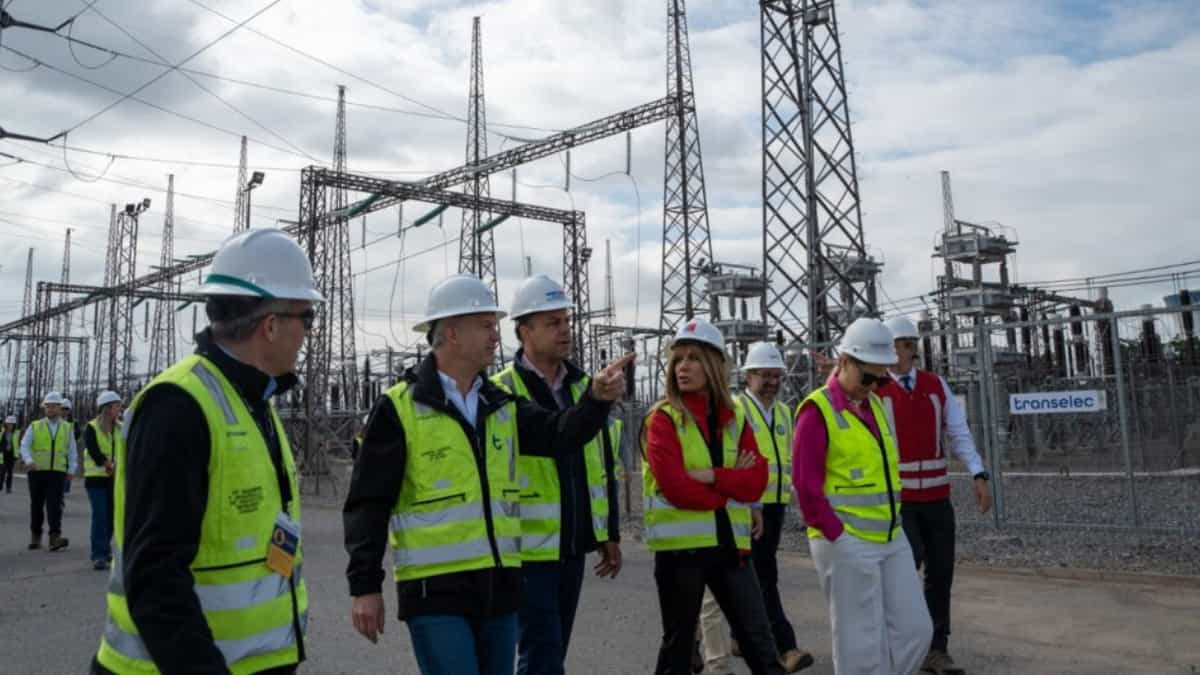
Metro de Santiago power works reach 85%, but Línea 7 still needs an underground link
At Cerro Navia, high-voltage equipment is being integrated before crews connect the substation to the new railway tunnel.