
CPS opens Santiago roller plant, but its mining supply chain still reaches Australia
Chile's copper mines rely on conveyor parts, while the new supply chain will still draw on Australian technology and materials.
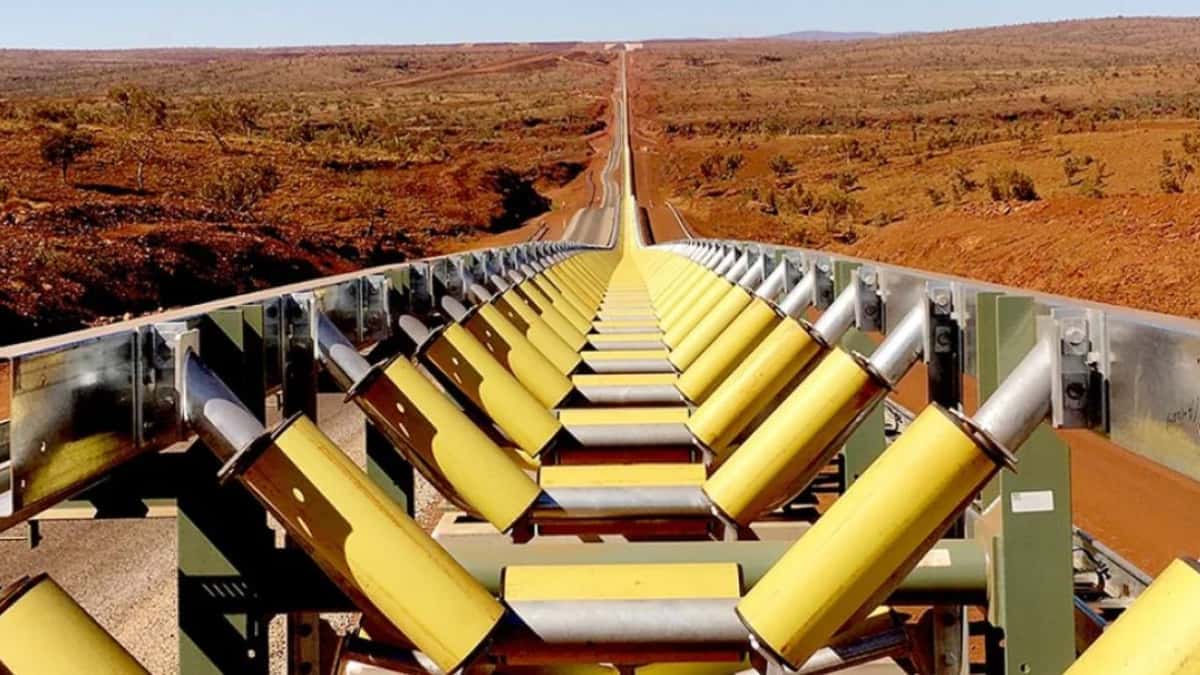
Why it matters: Local production could shorten the wait for conveyor components that help keep copper operations moving, although the facility will retain links to Australian inputs and technology.
Five years — CPS has strengthened its presence in Latin America over this period, according to the company.
2030 — The plant is part of the sustainability strategy of Michelin, CPS's parent group through Fenner Conveyors.
CPS Conveyor Products and Solutions has opened its first South American composite roller manufacturing plant in Santiago, Chile, adding local production capacity for conveyor systems used mainly in copper mining. The Australian company said the facility is intended to serve Chilean customers and regional operations, reducing reliance on finished rollers imported from overseas.
The company expects local manufacturing to shorten delivery times, support maintenance planning and reduce the risk of operational interruptions linked to spare-parts availability. It did not disclose production capacity or quantify expected delivery-time savings.
Santiago plant brings Australian production systems to Chile
CPS said the facility uses equipment, tooling, machinery and robotic programming systems equivalent to those at its Australian operations. The aim is to maintain consistent manufacturing and verification standards across the two locations.
Production will focus on composite rollers made with materials including high-density polyethylene and polyurethane. CPS says the components are designed for demanding mineral-transport systems and can offer longer service life and lower failure rates. The company also says their operation can help reduce energy consumption, noise and material build-up on conveyor belts; no comparative performance figures were provided.
Australian specialists took part in implementing the plant and training Chilean staff. CPS also plans to continue training programs in Australia, covering equipment, production processes and technology developments. General manager of CPS Latin America Jimmy Lindgren said the facility combines Australian industrial experience with local capabilities and provides manufacturing, technical support and a closer supply option for customers.
Local manufacturing will not eliminate overseas links
The Santiago operation is intended to replace some of the long waits associated with international transport with shorter supply periods. Conveyor availability matters to mines that use belts to move large volumes of ore, as access to rollers and other components affects maintenance schedules and production continuity.
CPS said the plant could reduce dependence on imported finished rollers, but it will not replace foreign supply entirely. The facility will continue to use raw materials, technology and equipment developed and used in Australia, leaving part of its supply chain exposed to overseas sourcing.
The company also said the plant was designed around low-carbon objectives and is expected to use solar power for most of its electricity needs. CPS is part of Fenner Conveyors, which belongs to Michelin; the initiative is aligned with Michelin's sustainability strategy toward 2030. The company did not provide a solar-generation target or emissions estimate.
CPS has expanded its Latin American presence over the past five years and is positioning Chile as a manufacturing and technical-support base for South American customers. The next operational test will be how the Santiago facility meets regional demand while relying on some Australian-sourced inputs and systems.
More in Resources
Copper drops to US$5.54/lb as London inventories rise and losses extend
The nine-session slide has pushed Chile’s benchmark export below its 2026 average as traders reassess industrial-demand signals.

Moody’s sees Chilean companies under 2027 cash-flow pressure as copper capex rises
Falling ore grades, longer haul distances and water infrastructure are adding to the spending burden across Chile’s copper mines.
Sernageomin reviews safety systems at Pucobre and Candelaria in Atacama
One operation was underground and the other an open pit, putting emergency readiness and operational controls under different tests.