
Copper rebounds to US$5.58 as Codelco faces lower China premiums
Chinese purchases of Chilean cathodes have dropped, sharpening the stakes in Codelco’s annual supply talks.
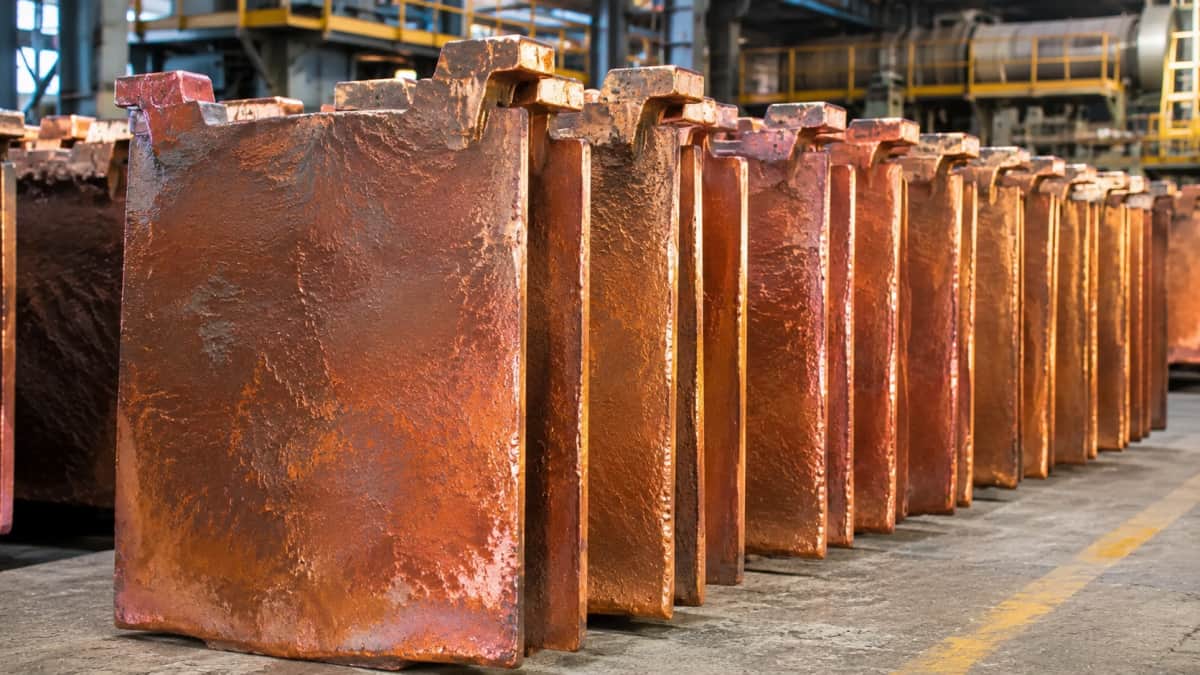
Why it matters: Codelco’s China sales terms could affect the additional revenue it earns per tonne as Chile works to reverse declining copper production.
US$5.58/lb — LME copper close on November 27, up 0.66% for the week
US$200–US$250/t — premiums under discussion with some Chinese buyers for 2027, versus US$350 for 2026
More than 140,000 tonnes — Chilean cathode imports by China in the first nine months of 2026, down 38% year on year
1,105,660 tonnes — copper inventories across COMEX, the LME and SHFE at week’s end
Copper closed at US$5.58 per pound on the London Metal Exchange on Friday, November 27, recovering some ground after hitting a 2026 low of US$5.31 on Wednesday. The metal gained 0.66% over the week, while Codelco negotiated lower 2027 sales premiums with Chinese buyers amid a steep decline in China’s imports of Chilean cathodes.
The price rebound came against mixed market signals. Copper’s average price for 2026 stood at US$6.13/lb, 38.36% above the US$4.43 average for the same period in 2025. The cited average-price projection for 2027 is US$5.95/lb.
Codelco weighs lower premiums as China imports fall
Codelco is discussing 2027 supply premiums with major Chinese buyers, including trading units linked to Norinco and Citic Group. The talks include premiums of US$200 to US$250 per tonne for certain customers, compared with US$350 set for 2026. If agreements are reached within that range, the reduction would be 28.6% to 42.9%.
The premium is an amount paid above a benchmark copper price, reflecting factors such as availability, product quality, contract terms and delivery. A lower premium does not mean an equivalent fall in the underlying copper price, but it reduces the additional revenue on tonnes sold under those terms. Codelco has not finalized the agreements, and conditions may differ by buyer.
The negotiations come as China’s imports of Chilean cathodes weakened. In the first nine months of 2026, China imported just over 140,000 tonnes from Chile, down 38% from a year earlier. The source of competing supply is also shifting: Freeport Indonesia has made more competitive commercial offers for Asian buyers for 2027, according to the report.
China demand signals meet rising inventories
China’s industrial profits rose 20.1% year on year in October, with strength in electronics, a sector that uses copper in electrical components and equipment. But the Yangshan copper import premium, a gauge of demand for imported metal in China, fell from around US$500 to US$320 per tonne as more shipments were expected to arrive.
Total stocks across COMEX, the LME and the Shanghai Futures Exchange reached 1,105,660 tonnes, up 1.1% on the week and 71% year on year. COMEX accounted for 731,858 tonnes, or 66.2% of the total; LME stocks were 338,325 tonnes and SHFE stocks 35,477 tonnes. The concentration in US warehouses contrasts with lower exchange stocks in Shanghai, so the aggregate figure does not by itself show how readily metal is available in each region.
A stronger US dollar and the prospect of restrictive monetary conditions also weighed on the short-term outlook, raising the cost of buying commodities in other currencies and financing metal inventories. The United States is considering an additional tariff of up to 10% on refined copper cathodes from China, but no final decision was reported.
Chile’s supply outlook remains a constraint
The market moves matter for Chile as the country’s copper output faces pressure. The 2026 production estimate cited for Chile is about 4.94 million tonnes, an 8.4% decline from the previous year. Marimaca, a copper project in the Antofagasta Region, received a sectoral authorization for early works; that approval is not a final investment decision to build the full project.
Separately, Canada-based Ero Copper suspended operations at its Tucumã mine in Brazil following an environmental instruction linked to extreme weather and water-quality changes. The duration of the stoppage and any production impact had not been quantified. Upcoming market attention is expected to focus on manufacturing indicators in China and the United States, US employment data and inventory movements.
More in Resources
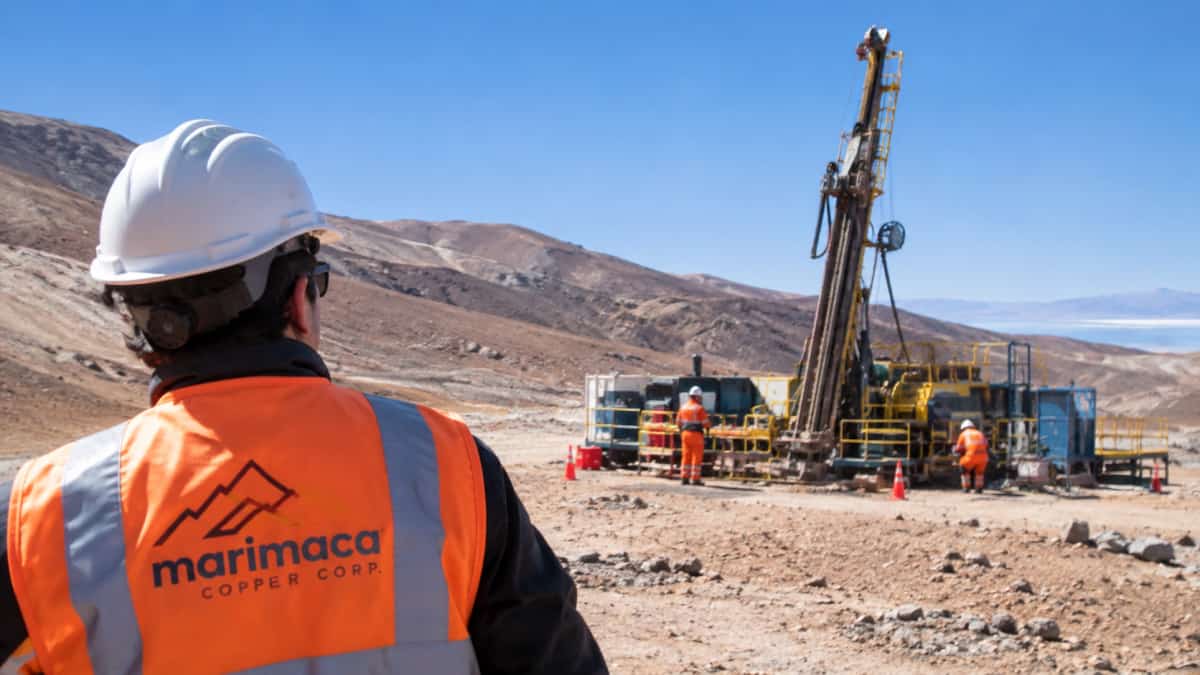
Marimaca wins Chile early-works permit, but full mine build still needs approval
The authorization covers earthworks, not the full set of mine and processing facilities required for the 13-year operation.

Aurora Williams named among 100 mining women as Chile faces a retention test
Hiring has lifted women’s share of Chilean large-scale mining, but staying and advancing remain separate tests.
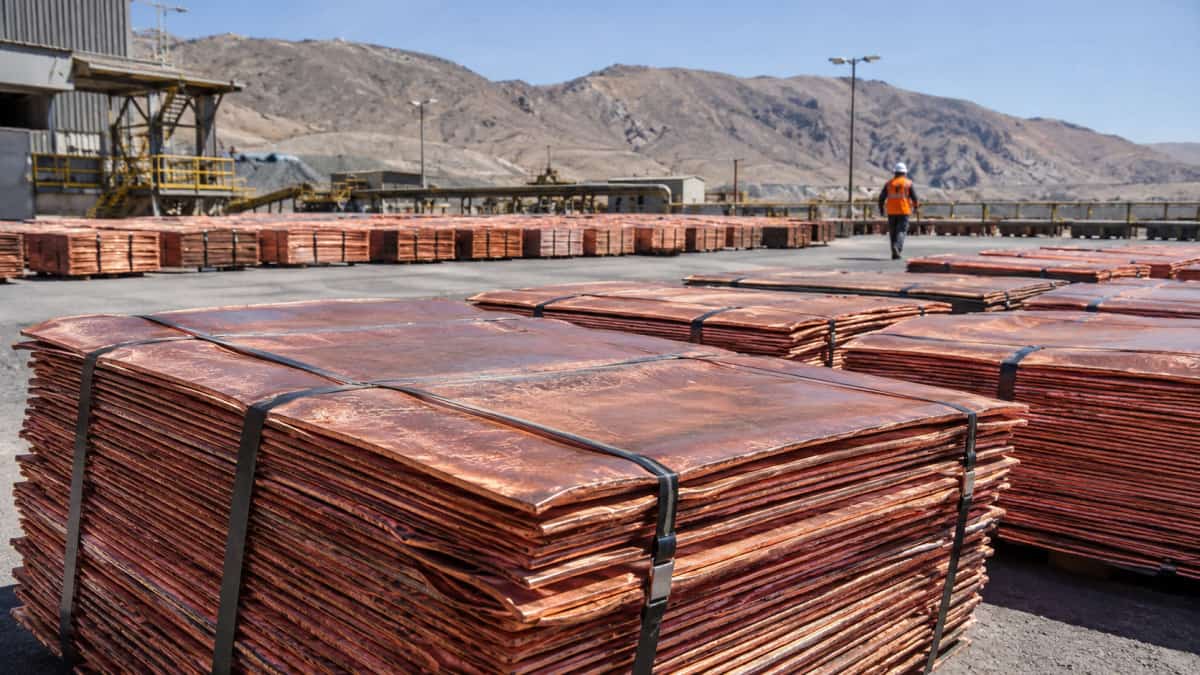
Chile's copper export gains face a production squeeze as prices retreat from October highs
Higher export values are cushioning falling mine output, but that balance depends on prices holding above recent lows.