
Aurora Williams named among 100 mining women as Chile faces a retention test
Hiring has lifted women’s share of Chilean large-scale mining, but staying and advancing remain separate tests.

Why it matters: Chile’s effort to widen mining’s talent pool depends on retaining women and opening routes to senior roles, not just increasing recruitment.
24.1% — women’s share of Chile’s large-scale mining workforce in the first half of 2026
12,413 — women working at the companies covered by the sector monitoring
37,000 — workers the industry is expected to need by 2034
25% — female workers who leave during their first year, according to the reported figure
Aurora Williams, Chile’s former mining minister and an academic at the Universidad Católica del Norte (UCN), has been named among the 100 Global Inspirational Women in Mining for 2026. Women in Mining UK selected the 100 from more than 1,200 international nominations; four Chileans made the list.
The recognition highlights Williams’ career in public policy and her work to increase women’s participation in mining. The other Chilean honourees are Kattherine Ferrada of Anglo American, Graciela Bustamante of BHP and Jazmín Parra of Hexagon Mining.
Women’s share reaches 24.1% in Chilean large-scale mining
Women accounted for 24.1% of the workforce at the large-scale mining companies included in the monitoring during the first half of 2026, or 12,413 workers. The figure compares with 7.7% in 2014 and 24.0% at the end of 2025. Women represented 28.5% of hiring in the first half of 2026.
The increase has brought women into operational, technical and professional roles across areas including equipment operation, metallurgy, geology, maintenance, mine planning and process management. But the small change from the end of 2025 points to a challenge beyond recruitment: the industry must support retention and career progression, including access to supervisory and executive positions.
Williams served as mining minister from 2014 to 2018 under President Michelle Bachelet and again from 2023 to 2026 under President Gabriel Boric. Her ministerial work included Codelco’s capitalisation, lithium development, small-scale mining and women’s participation. The public-private Mesa Mujer y Minería, established to coordinate work on the latter issue, has continued across government administrations. Williams is now affiliated with UCN’s Faculty of Economics and Administration.
Regional operations and workforce needs shape the next test
Williams cited Minera Spence, owned by BHP, and Codelco’s Chuquicamata Subterránea as operations with female participation of about 48% and 40%, respectively—well above the national average. Meanwhile, Antofagasta accounted for approximately 6,334 female workers, or 51% of the women counted in the national large-scale mining figures during the first half of 2026.
The industry is expected to require around 37,000 additional workers by 2034, largely to replace retiring employees and staff new projects. Demand is forecast to focus on maintenance technicians, equipment operators, engineers and supervisors. Companies, universities and technical training institutions will need to connect recruitment with the skills required in those roles.
Retention remains another constraint: the reported first-year turnover rate among women is 25%. The 2026 list, held every two years since 2013, recognises women’s contributions to mining and efforts to widen opportunity. For Chilean operators, the next workforce challenge is ensuring new hires can build lasting careers; the reported turnover figure and participation measures come from separate sector indicators.
More in Resources
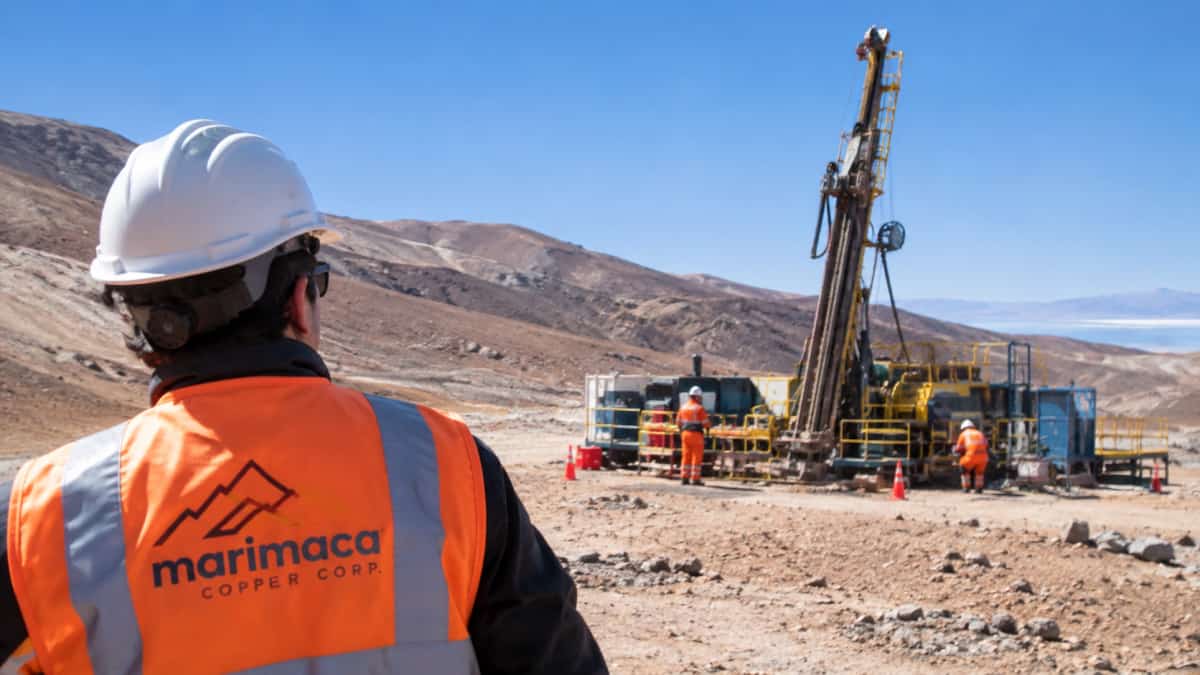
Marimaca wins Chile early-works permit, but full mine build still needs approval
The authorization covers earthworks, not the full set of mine and processing facilities required for the 13-year operation.
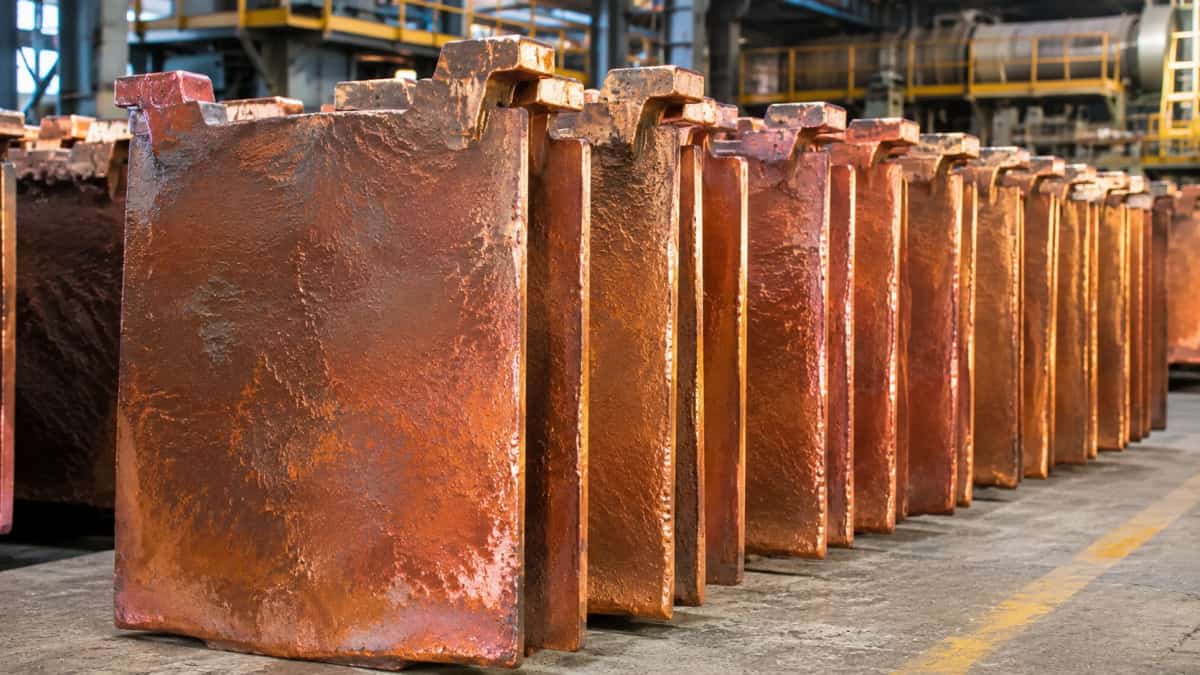
Copper rebounds to US$5.58 as Codelco faces lower China premiums
Chinese purchases of Chilean cathodes have dropped, sharpening the stakes in Codelco’s annual supply talks.
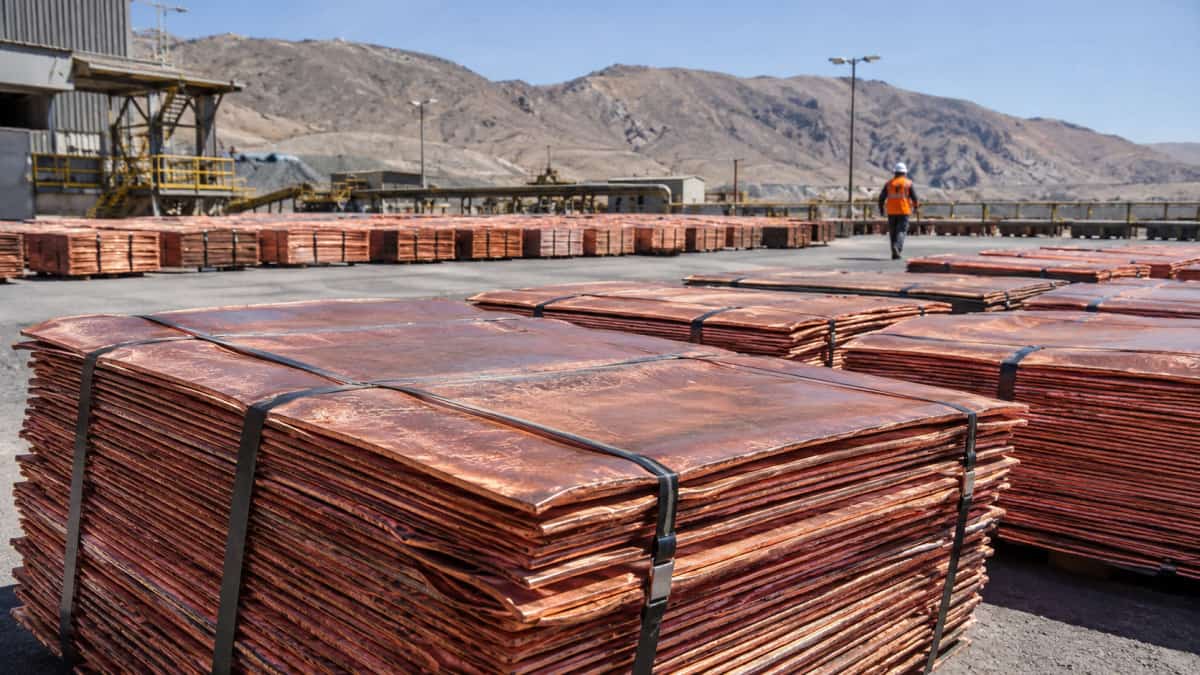
Chile's copper export gains face a production squeeze as prices retreat from October highs
Higher export values are cushioning falling mine output, but that balance depends on prices holding above recent lows.