
Chile’s peso weakens as dollar tests 2022 highs, with $1,021 still unconfirmed
A copper retreat is removing support just as traders reassess the Federal Reserve’s next move.

Why it matters: A weaker peso can lift the local-currency value of miners’ dollar revenues, but also raises the cost of imported equipment and services.
$1,021 — reported intraday dollar peak on Friday, not a confirmed closing rate
$1,014.7 — dollar close on Thursday, up $7 from the previous session
US$5.70 per pound — copper’s Thursday close, down 1.41% on the day
The US dollar was reported to have reached an intraday high of $1,021 against the Chilean peso on Friday, November 20, according to figures from the Bolsa Electrónica de Chile. If confirmed, that would be the highest level since July 2022, when the exchange rate exceeded $1,050. The reported peak is not a market close, and the final rate for Friday had not been established.
The currency had already weakened on Thursday, when the dollar closed at $1,014.7, its highest close since January 3, 2025, in the cited data series. The Banco Central de Chile’s observed dollar rate for Friday was $1,008.79, up from $1,002.07 a day earlier. The observed rate is distinct from an intraday market peak.
Copper’s retreat removes support for the peso
Copper, Chile’s main export, closed at US$5.70 per pound on the London Metal Exchange on Thursday, a daily decline of 1.41%, according to the Chilean Copper Commission (Cochilco). Lower copper prices can weaken a key source of external support for the peso, while volatility in international markets adds pressure.
Expectations of tighter US monetary policy have also supported the dollar. Minutes from the Federal Reserve reinforced expectations of further interest-rate increases, which can make dollar-denominated assets more attractive. That shift has weighed on emerging-market currencies, including Chile’s.
Miners face mixed effects from a weaker peso
A dollar above $1,000 raises the peso cost of imported products, raw materials and equipment for Chilean businesses. For miners, the currency move cuts both ways: exporters receive much of their revenue in dollars, which can translate into more pesos, but equipment, services and other investment costs may also be denominated in foreign currency. A lower copper price, meanwhile, directly affects sales revenue.
The net effect on an individual operation depends on its cost base, revenue mix and currency exposure. The exchange-rate move alone does not establish whether a miner’s margins improve or deteriorate.
The dollar’s next moves will depend in part on copper prices, signals from the Federal Reserve and investor appetite for riskier assets. Confirmation of Friday’s closing rate will show how the reported intraday level compares with the market’s final settlement.
More in Resources
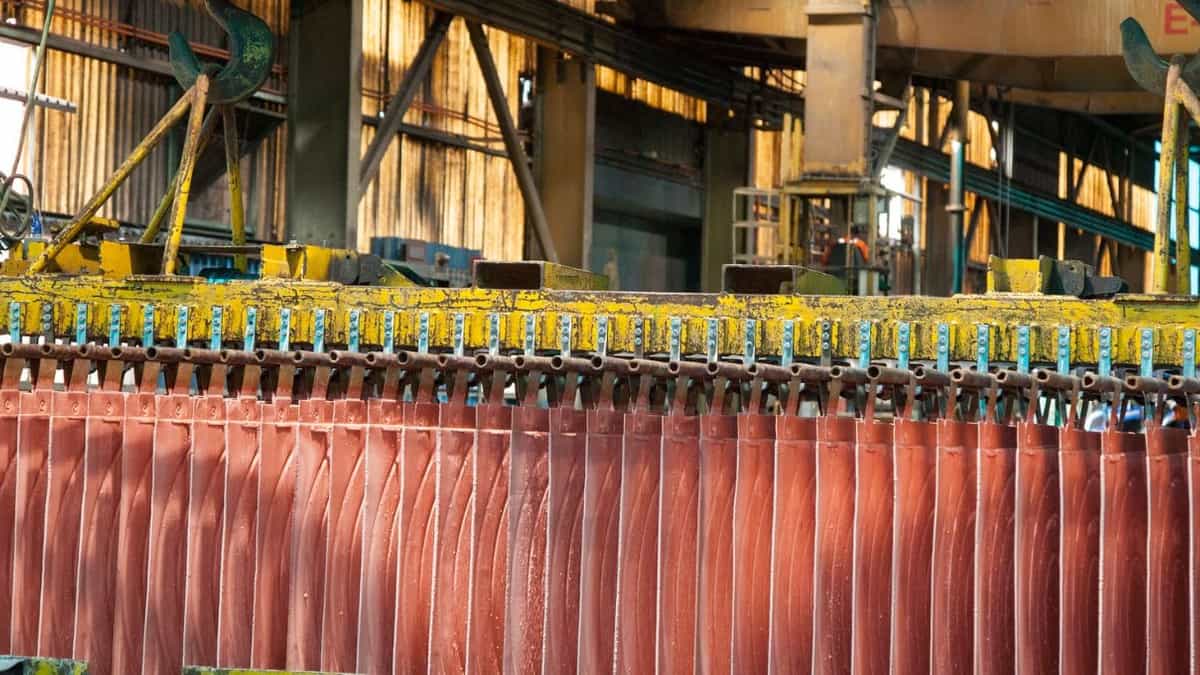
IEA copper outlook improves, but Chile faces a race to sustain mine output
New projects in the Democratic Republic of the Congo and Zambia have altered the supply outlook, while Chile's mature operations face a separate production test.

Aysén lawmakers press Chile energy ministry on isolated-grid law’s status
The proposed framework targets tariffs and supply continuity in communities beyond the national grid, where fuel logistics shape operating costs.
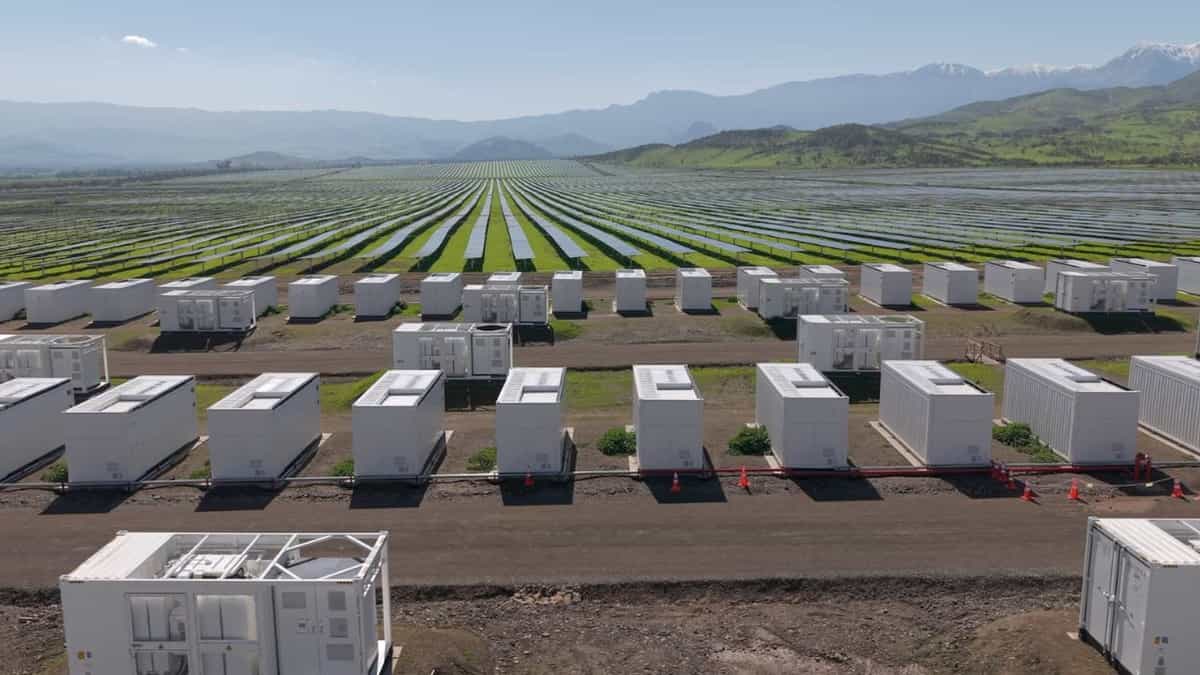
Chile clears Estepa II battery for grid services as monitoring duties remain
The system's fast-response tests are approved, but one-second performance records are still required for service verification.