
BHP targets doubling South Australian copper output, but Olympic Dam needs water
Olympic Dam’s proposed expansion requires a separate water supply, while the state has yet to decide whether to build it.
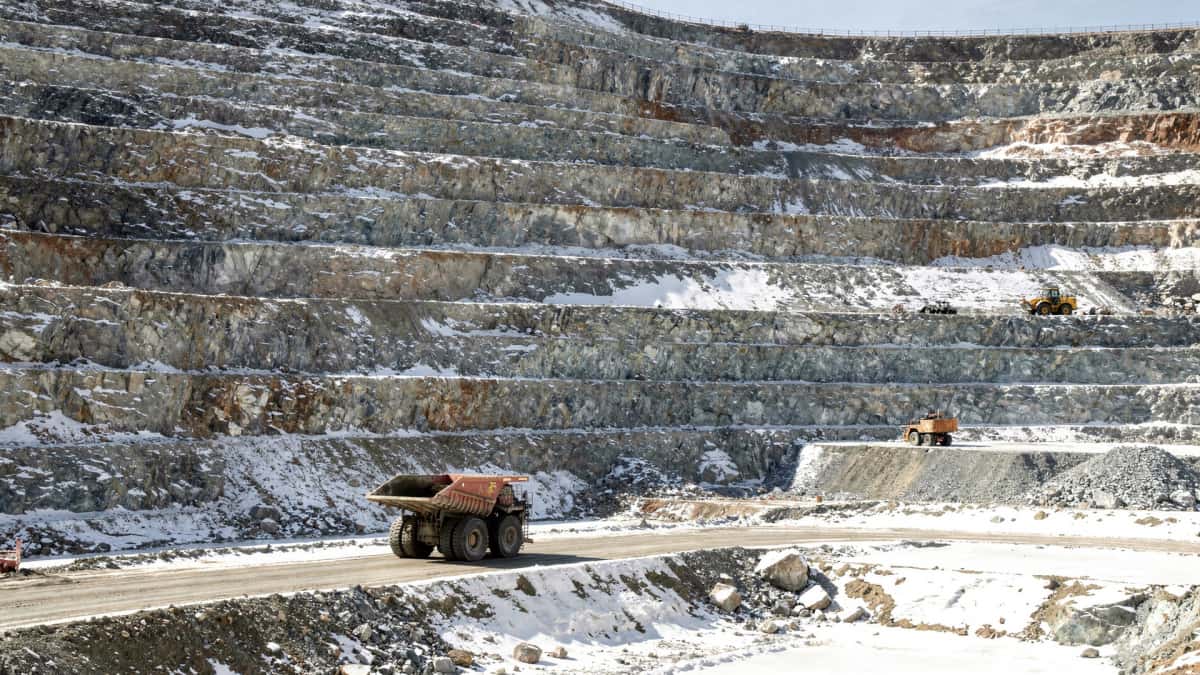
Why it matters: Olympic Dam’s growth plans depend not only on major mine and smelter projects but also on infrastructure beyond BHP’s control.
2040 — BHP’s target to double copper production from its South Australian operations.
$21.4 billion–$27.3 billion — investment range for the broader Copper SA growth plan.
$4.5 billion — approximate combined cost of Olympic Dam’s proposed block-caving development and second smelter.
260 megalitres a day — proposed desalinated-water supply to be delivered through a 400-kilometre pipeline.
BHP plans to double copper production from its South Australian operations by 2040, with Olympic Dam at the centre of a growth programme whose delivery also depends on a state decision about water. The company is due to present its plans to investors during a two-day tour beginning Monday.
The proposed investment range for Copper SA is $21.4 billion to $27.3 billion. BHP says the unit’s contribution to its total production could become comparable to that of Escondida in Chile. That comparison applies to Copper SA as a whole, not Olympic Dam alone.
Block caving and a second smelter anchor Olympic Dam plans
At Olympic Dam, BHP is considering block caving, a mining method that uses gravity to induce the collapse of large, deep ore bodies. The company’s investor presentation says the method could structurally reduce mining costs.
The other major proposal is a second smelter at the complex. BHP says a two-stage smelting arrangement could provide greater scale and extend the operation’s life, and considers the change essential to making use of Olympic Dam’s current reserves. The block-caving development and second smelter together are expected to cost about $4.5 billion; that amount is part of the larger Copper SA investment programme, not its total.
Northern Water remains a state-level decision
Water is a separate condition for the expansion. South Australia’s government has yet to decide whether to build the Northern Water desalination plant near Whyalla. The site was selected in December 2025, and the project’s preliminary cost estimate was A$5.0 billion in October 2026.
If built, the plant could supply 260 megalitres of water a day through a 400-kilometre pipeline to Olympic Dam and pastoral users in South Australia. The proposed supply would address a key infrastructure requirement, but the project remains contingent on the state’s decision to proceed.
BHP expects to make a final decision in 2027 on whether to commit the billions of dollars required to expand its South Australian assets. The investor presentation and Olympic Dam visit do not constitute approval of that investment.
More in Resources

2026 could challenge 2024 as hottest year, but forecasts sharply diverge
October set a new global heat record as a powerful Pacific climate pattern continued to strengthen.
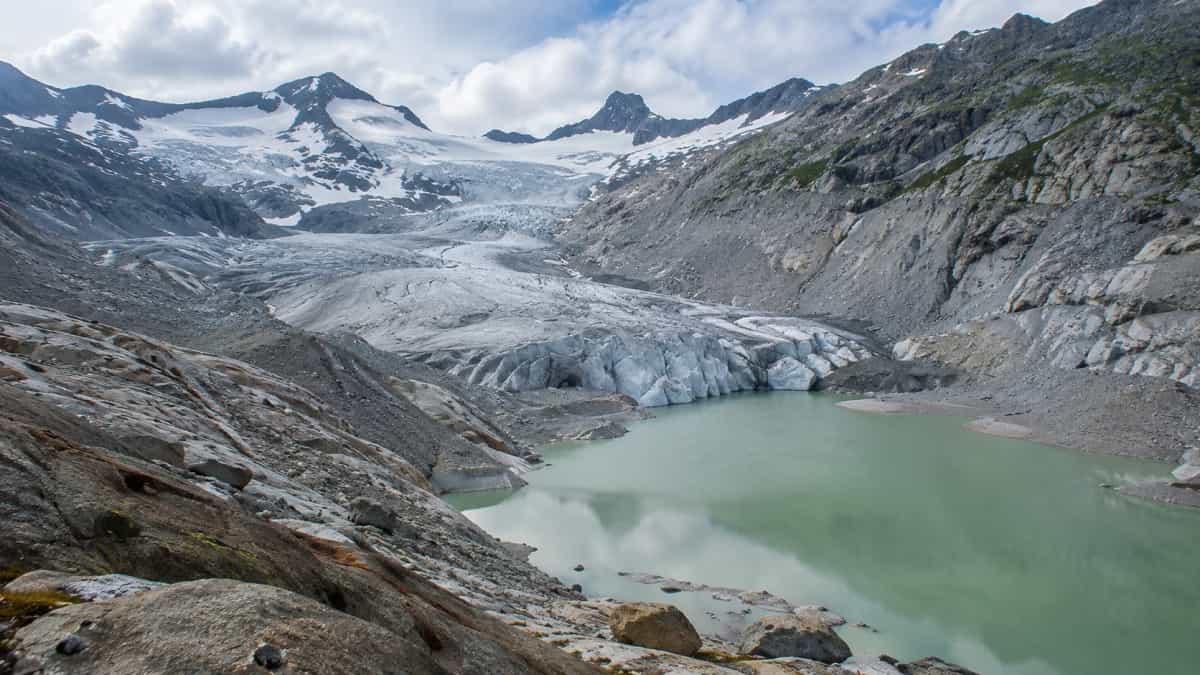
Swiss glaciers lose 19.4% of their ice in five years as summer flows swell
A record stretch of freezing levels above 4,000 metres changed how far summer warmth reached into Alpine ice.
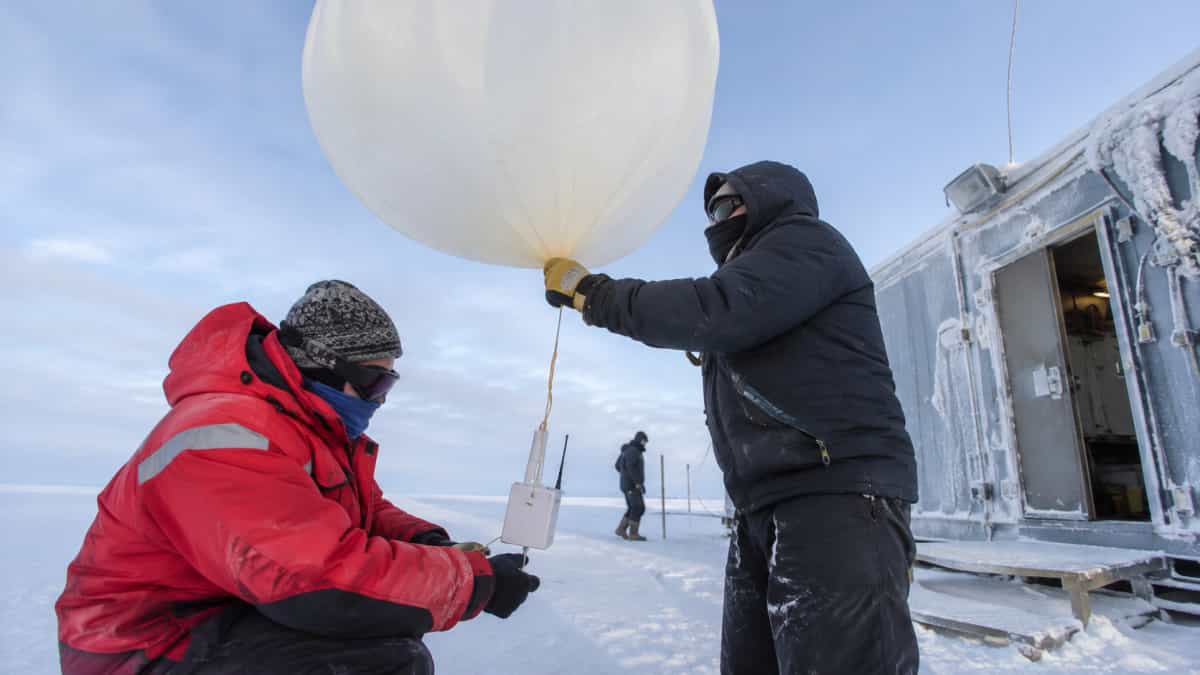
Antarctic ozone hole ranks seventh-largest in 48 years, but size is not the full measure
A persistent polar vortex drove the September expansion, but surface area alone does not show how deeply ozone was depleted.