
2026 could challenge 2024 as hottest year, but forecasts sharply diverge
October set a new global heat record as a powerful Pacific climate pattern continued to strengthen.

Why it matters: Persistent heat and a strengthening El Niño increase uncertainty around water availability and operating conditions for resource industries, including mining in Chile.
15.35°C — estimated global average temperature in October, about 1.75°C above the 1850–1900 average in one dataset.
97% vs. 20% — the respective chances of a 2026 annual record in two different forecasts.
3.21°C — October’s Niño 3.4 sea-surface temperature anomaly in one reference series.
Global temperatures put 2026 in contention to surpass the 2024 record, but projections remain sharply divided. Data available through Nov. 19 show the first ten months among the warmest since records began in 1850; November and December readings will determine where the year ranks.
One statistical estimate gives 2026 about a 97% chance of becoming the warmest year in its series. Another approach puts the chance of a record at roughly 20%, making a second-place finish more likely. Both projections indicate that 2026 is likely to rank among the hottest years recorded, and one estimates an almost certain chance that the annual average will exceed 1.5°C above pre-industrial levels.
October’s heat set new monthly highs
Global average temperature in October was estimated at about 15.35°C, or 1.75°C above the 1850–1900 average, in one analysis. A separate dataset using different methods to combine land and ocean observations calculated an anomaly of 1.80°C—about 0.12°C above its October 2023 record. The estimates differ because of their data coverage, treatment of ocean observations and methods for reconstructing global temperatures.
October was the warmest recorded for that month in both accounts and marked a third consecutive month above the 1.5°C threshold. Sea-surface temperature outside the polar regions also reached an estimated 20.95°C, a record for October.
The annual comparison remains close: one dataset put the global anomaly for January to October at 1.546°C, about 0.01°C below the equivalent period in 2024. The current annual record is approximately 1.6°C above pre-industrial levels, according to one of the main observation series. The small gap helps explain why forecasts can diverge despite relying on the same broad pattern of exceptional warmth.
El Niño could carry heat into 2027
The current El Niño is adding to temperatures already elevated by long-term greenhouse-gas-driven warming. In October, the Niño 3.4 region’s temperature anomaly reached 3.21°C in one reference series, a record for that month. Projections point to peak intensity around December, with weakening expected in the first months of 2027; the event could rank among the strongest recorded since the mid-20th century.
El Niño is not the cause of long-term global warming. It is a natural climate pattern that shifts Pacific ocean temperatures and atmospheric circulation, adding short-term heat to a climate system already warming over the long term. Its full effect on global temperatures can lag the ocean peak, so some influence may extend into 2027. The scale of that effect remains uncertain and will depend on ocean and atmospheric conditions.
A calendar year above 1.5°C does not, by itself, mean the long-term international temperature goal has been permanently exceeded; that threshold is assessed over longer periods. But continued high temperatures raise risks including heatwaves, shifting rainfall, glacier retreat and pressure on water supplies.
Chile’s mining sector faces planning uncertainty
El Niño has sometimes brought above-average winter rainfall to parts of central Chile, but it does not guarantee wetter conditions in every event. Effects depend on the season, the event’s strength and other atmospheric factors, and the current projections do not establish rainfall outcomes for individual Chilean basins in 2027.
For mines, potential operational considerations include water availability, intense rainfall, road access and infrastructure in mountain areas. In the north, where much of Chile’s copper production is concentrated, companies also need to account for extreme-weather hazards, water management and worker exposure to heat. The next November and December temperature updates will determine whether 2026 finishes ahead of 2024 or in second place.
More in Resources
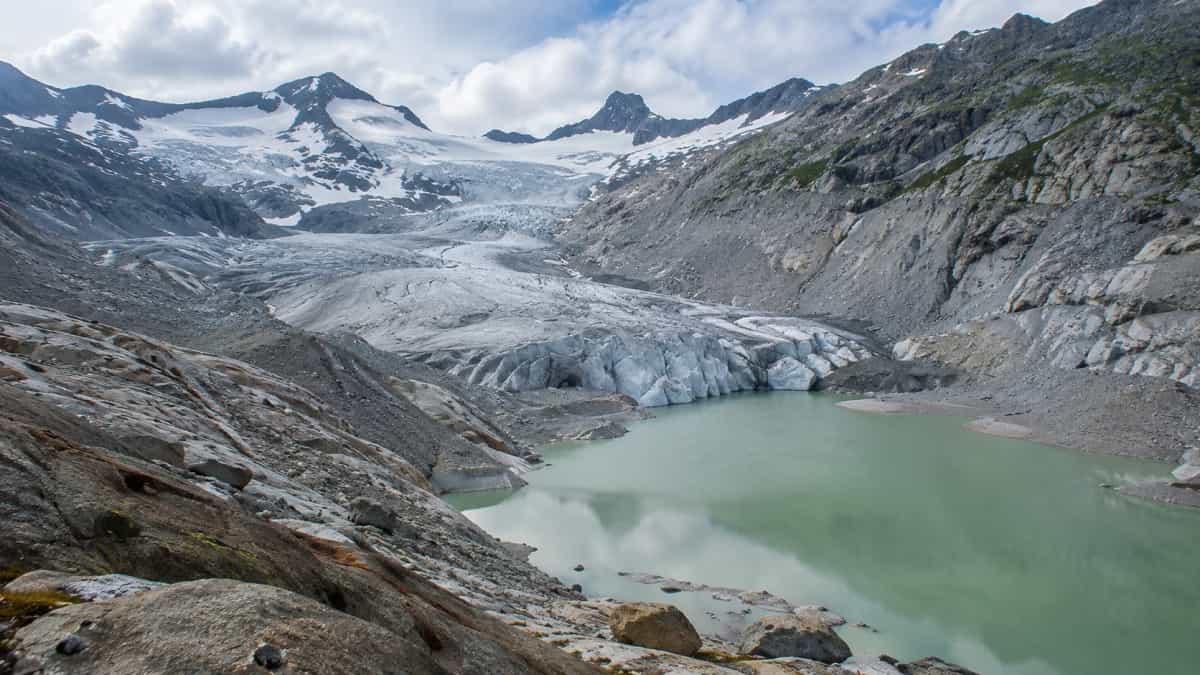
Swiss glaciers lose 19.4% of their ice in five years as summer flows swell
A record stretch of freezing levels above 4,000 metres changed how far summer warmth reached into Alpine ice.
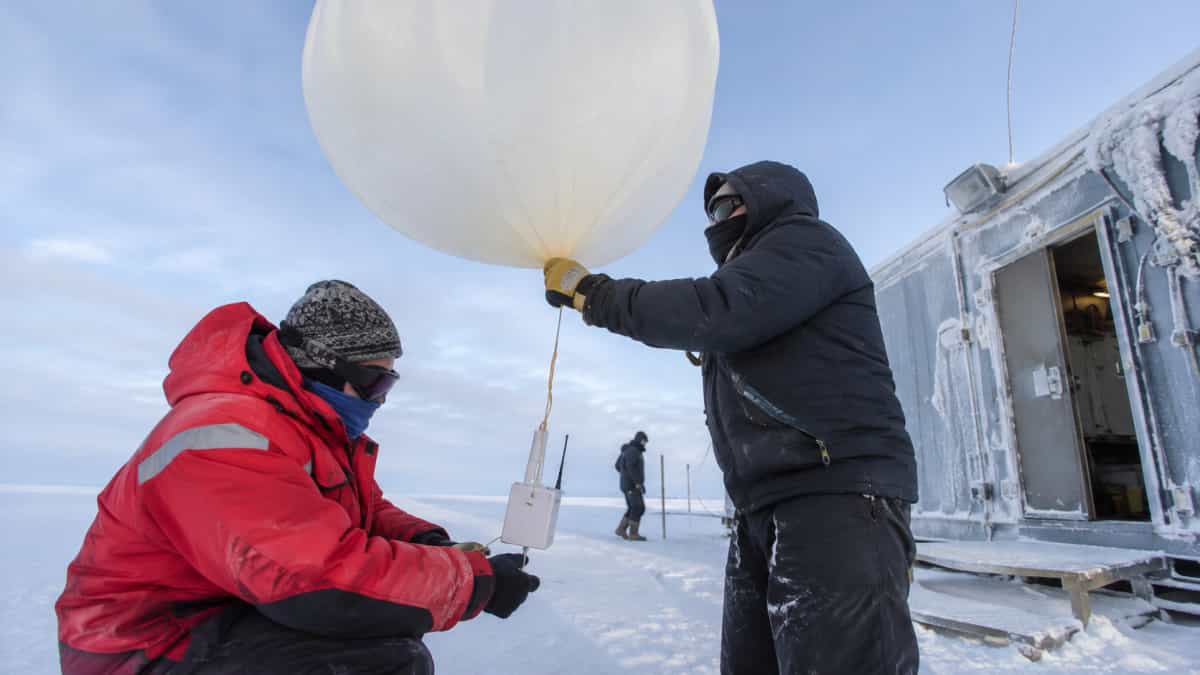
Antarctic ozone hole ranks seventh-largest in 48 years, but size is not the full measure
A persistent polar vortex drove the September expansion, but surface area alone does not show how deeply ozone was depleted.
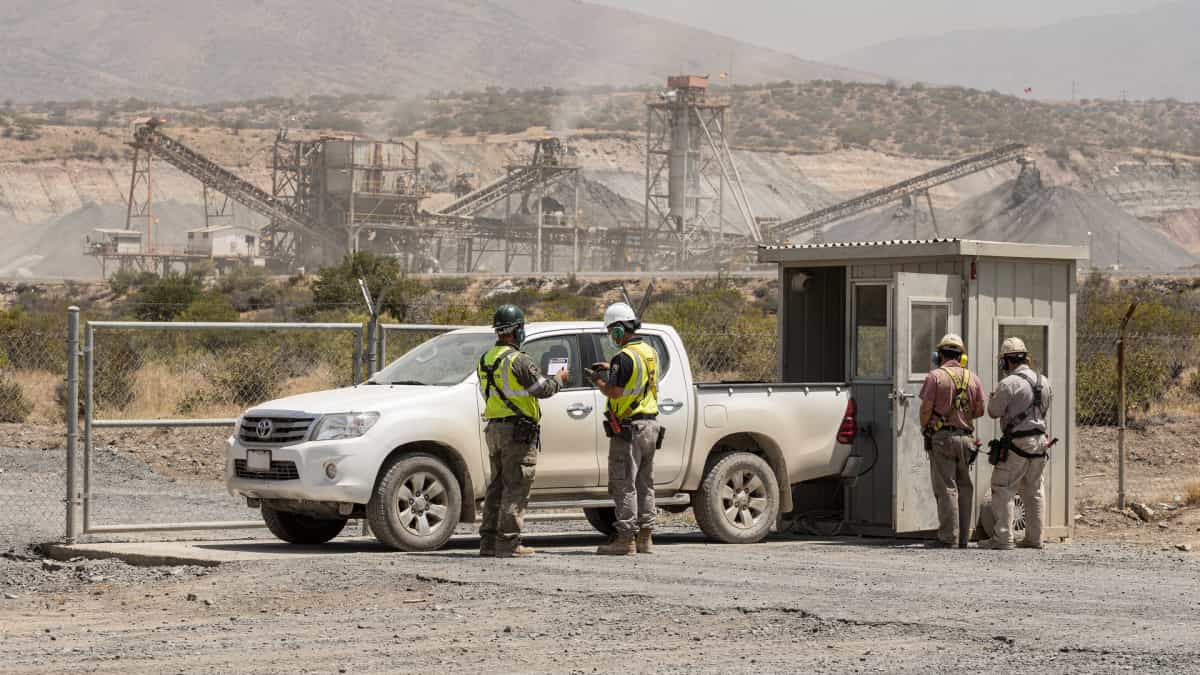
Luca Mining rejects claims of criminal control at Campo Morado in Guerrero
Mexican reports cast doubt on who runs the mine, while Luca says coverage may have confused it with nearby operations.