
Argentina’s energy and mining exports surge as volumes and prices pull apart
Oil and lithium shipments are expanding, but falling gold volumes leave the export mix exposed to price swings.
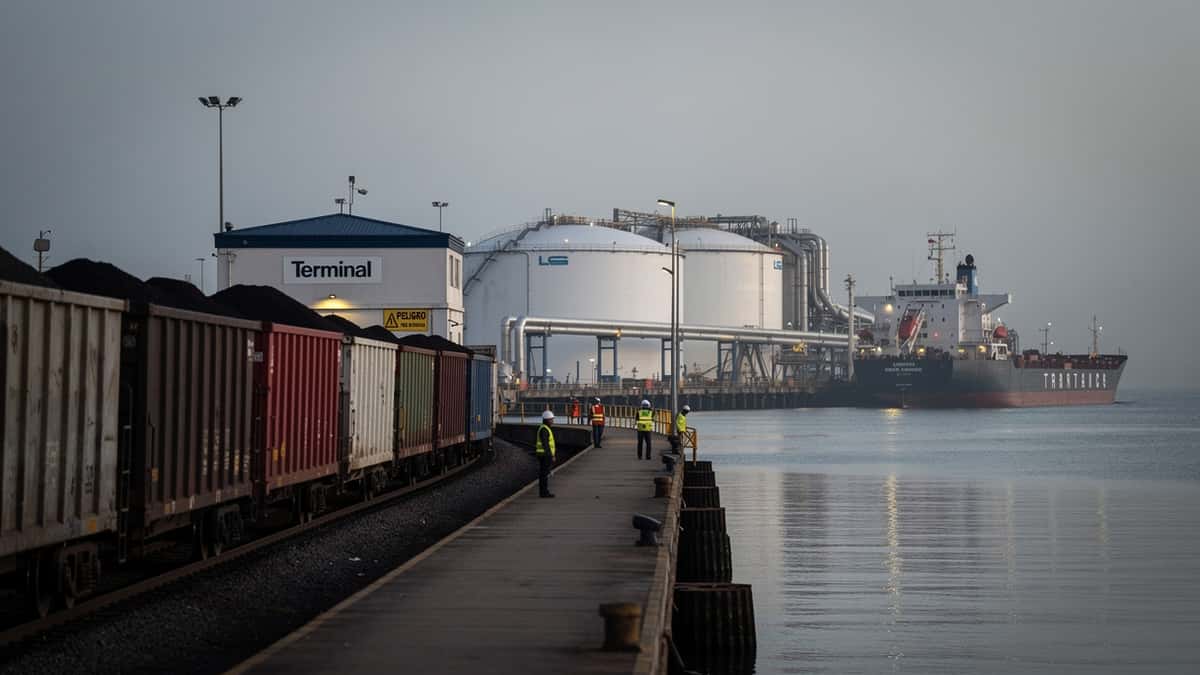
Why it matters: Argentina’s export gains will depend on whether growing production can offset weaker commodity prices and declining output at mature gold mines.
US$21.198 billion — goods trade surplus in January-September 2026.
US$12.452 billion — fuel and energy exports, up 53.6% year on year.
US$9.428 billion — energy trade surplus, 76% above the same period in 2025.
US$6.5 billion — mining exports, already above the sector’s total for 2025.
Argentina’s energy and mining exports climbed in the first nine months of 2026, supported by higher production and elevated prices for oil, gold and silver. The country recorded a goods trade surplus of US$21.198 billion, while the two sectors generated more than US$18.9 billion in exports. Recent price declines, however, leave open how much of the increase in export value can persist if production growth continues but commodity prices ease.
The goods trade surplus reached US$7.234 billion in the third quarter, according to INDEC. Energy exports totalled US$12.452 billion in January-September, while the surplus after fuel and lubricant imports came to US$9.428 billion—already above the full-year 2025 balance of US$7.829 billion. Mining exports reached US$6.5 billion over the same nine months, exceeding the sector’s sales for all of 2025.
Vaca Muerta lifts oil volumes, but transport remains a constraint
Combustibles and energy accounted for US$4.346 billion of Argentina’s US$13.734 billion year-on-year increase in total exports, or about 32% of the gain. The category made up 16% of exports overall.
Oil production approached 975,000 barrels a day in September, a historic high, while exports were around 420,000 barrels a day. Output growth from Vaca Muerta has offset declines in conventional production. The next operational test is moving additional crude to the Atlantic coast, a capacity requirement identified as necessary to sustain growth.
Prices remain material to the revenue outlook. At export volumes of that scale, a sustained US$10-per-barrel change would represent about US$1.5 billion in annual potential export revenue. Brent reached its highest monthly average since mid-2022 in October before dropping close to US$10 in a single session. Even after the decline, it remained US$25-US$30 above November 2025 levels.
Gold presents a different exposure. Exports were around US$4 billion in nine months, but volumes have fallen about 30% as deposits mature. A sustained 20% price decline would equate to roughly US$1 billion in annualized export value, according to the estimates cited. That combination makes the gold contribution more vulnerable to a price correction than the expanding oil and lithium volumes.
Lithium grows on shipments as copper awaits investment
Lithium export volumes rose about 45% year on year, despite prices remaining well below their 2022 peaks. Copper, by contrast, still makes only a marginal contribution. Argentina’s Mining Secretariat projects that copper could generate close to US$19 billion in annual exports by 2035. Prices around US$14,000 per tonne may support investment decisions, but they do not establish that projects will be built.
The sector forecasts point to a wide range of possible outcomes. The hydrocarbons chamber CEPH estimates oil and gas exports of US$18 billion-US$28 billion in 2030 and US$22 billion-US$42 billion in 2035. The Mining Secretariat projects mining exports of US$15 billion in 2030 and more than US$35 billion in 2035. Together, those forecasts imply annual exports of US$60 billion-US$90 billion by 2035.
RIGI approvals still need to translate into spending
Projects approved under Argentina’s Large Investment Incentive Regime, or RIGI, total around US$76 billion: US$46.158 billion in oil and gas and US$27.624 billion in mining. Estimated direct and indirect employment exceeds 133,000 jobs. Yet net investment inflows associated with the regime stood at US$762 million through the first quarter of 2026, compared with expected annual disbursements of more than US$6 billion from 2026 to 2028.
Mining investment is projected to rise from about US$2.4 billion-US$2.5 billion in 2026 to US$7 billion-US$7.5 billion annually from 2028. RIGI is designed to reduce tax, currency and regulatory uncertainty, but approvals are not the same as capital deployed. The regime’s application deadline is mid-2027, leaving project spending and export volumes as key measures of whether the longer-term forecasts can be delivered.
More in Resources
EU cold-rolled steel duties reach Vietnam, with Chinese inputs under scrutiny
The investigation tested whether Chinese hot-rolled steel inputs altered Vietnam’s market conditions alongside a review of five exporting economies.
Codelco faces dust charges at Ministro Hales as Talabre case hinges on compliance
The SMA’s parallel proceedings target a crusher and waste dump at one operation, and groundwater and tailings controls at another.
Los Bronces water plan wins approval, but Vega Sur recovery hinges on flow separation
The design must keep contact water out of El Choclo while routing snowmelt toward a recovering high-altitude wetland.