
EU cold-rolled steel duties reach Vietnam, with Chinese inputs under scrutiny
The investigation tested whether Chinese hot-rolled steel inputs altered Vietnam’s market conditions alongside a review of five exporting economies.
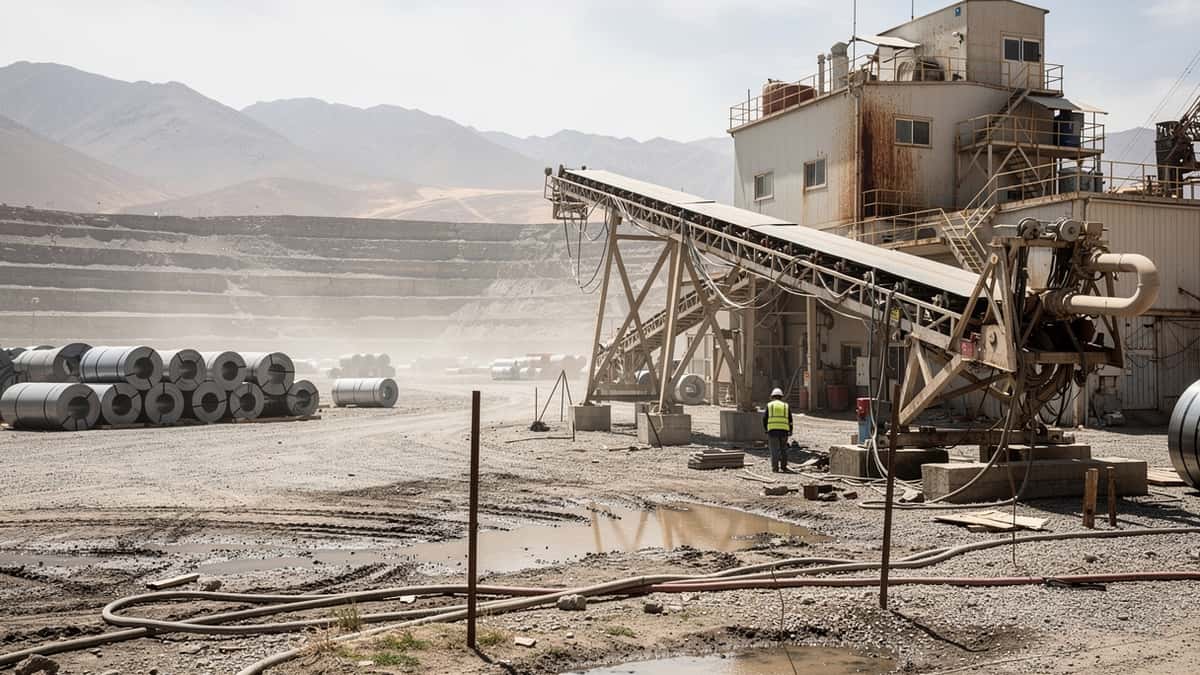
Why it matters: The tariff adds a trade barrier to a market where Vietnam’s EU-bound cold-rolled steel shipments grew sharply in 2025.
16% — definitive duty on Vietnamese cold-rolled steel, applied to all Vietnamese exporters
€23.3 billion — estimated value of the EU cold-rolled steel market
$167.6 million — Vietnam’s exports of the product to the EU in 2025
36% lower — value of those exports in the first quarter of 2026 year on year
The European Commission has imposed a definitive 16% anti-dumping duty on cold-rolled steel from Vietnam, effective November 17, 2026. The same rate applies to Vietnamese exporters selected for the investigation, cooperating companies and all other Vietnamese producers.
The measure also covers imports from India, Japan, Turkey and Taiwan. Rates range from 9.5% for India to 27.9% for Japan; Turkey faces rates of 3% to 7.8%, and Taiwan 20.7% to 27%. The Commission issued Implementing Regulation (EU) 2026/2547 on November 13 and announced the duties on November 16.
The investigation covered five exporting economies
The Commission opened the case on September 18, 2025, following a complaint from the European Steel Association (EUROFER) filed on August 4. It assessed alleged dumping from July 1, 2024, to June 30, 2025, and examined injury to EU producers from January 1, 2022.
The duties apply to flat products of iron, non-alloy steel or other alloy steel that have been cold-rolled, are uncoated and unplated, and have undergone no further processing after rolling. Electrical steel, silicon electrical steel, high-speed alloy steel and black plates thinner than 0.35 millimetres are excluded.
The Commission concluded that the investigated imports caused material injury to the EU industry, citing deterioration in profits, prices, market share, production, consumption, investment and employment. It estimates the EU market at €23.3 billion, with imports covered by the case worth about €1.18 billion. Production takes place in 12 member states and employs more than 8,600 people, according to the Commission.
Brussels rejected Vietnam’s market-condition argument
Vietnamese parties argued that particular market circumstances should affect the dumping analysis. The Commission reviewed, among other factors, Chinese imports, Vietnam’s restrictions on exports of iron ore, scrap and coal, producers’ vertical integration, and the use of Chinese hot-rolled steel as an input. It rejected the claim that particular market circumstances existed in Vietnam.
The Commission reached different conclusions for India and Taiwan. For India, it attributed distortions to government measures affecting iron ore prices. For Taiwan, it said Chinese overcapacity had driven increased purchases of Chinese products, putting pressure on domestic prices and reducing local industry profitability.
Vietnam’s export figures predate the duties
Vietnam exported $167.6 million of cold-rolled steel to the EU in 2025, up 39.2% from 2024 and equal to 8.7% of EU imports of similar products. Shipments were worth $28.9 million in the first three months of 2026, down 36% year on year.
Those periods do not establish that the first-quarter decline resulted from the duties, which did not take effect until November. The trade data available when the measure began therefore did not show its specific effect on shipments. Vietnam’s Trade Remedies Authority urged exporters to review the new rules and consider administrative review applications where applicable.
More in Resources
US resumes Russian palladium imports as Sibanye-Stillwater challenges tariff ruling
A steep Commerce Department rate has not become an import order, leaving the legal dispute over Russian metal unresolved.
Codelco faces dust charges at Ministro Hales as Talabre case hinges on compliance
The SMA’s parallel proceedings target a crusher and waste dump at one operation, and groundwater and tailings controls at another.
Los Bronces water plan wins approval, but Vega Sur recovery hinges on flow separation
The design must keep contact water out of El Choclo while routing snowmelt toward a recovering high-altitude wetland.