
Anglo-Teck merger puts Chilean copper assets in play as approvals remain unresolved
The proposed tie-up is one of several deals reshaping ownership, but its effect on investment plans for Chilean operations remains uncertain.

Why it matters: A wave of acquisitions could change who controls key copper, zinc and gold assets, but ownership changes alone do not guarantee new production or investment.
Approximately US$54 billion — stated value of the proposed Anglo American-Teck integration.
64.68% — Nexa Resources stake Boliden would acquire from Votorantim.
0.25 shares — Boliden shares offered for each Nexa share held by Votorantim.
26 November 2026 — date Genesis Minerals completed its merger with Vault Minerals.
Mining companies are reshaping portfolios through mergers and acquisitions, with transactions involving copper assets in Chile, zinc and silver operations in Peru and Brazil, and gold projects in Australia and the United States. The proposed Anglo American-Teck combination, valued at approximately US$54 billion, remains subject to regulatory approvals, including a review in China.
The proposed integration, announced in September 2025, would bring together companies with interests in Chilean operations including Collahuasi, Los Bronces, El Soldado, Quebrada Blanca and Carmen de Andacollo. The companies have set March 2027 as their target for completing the deal, subject to approvals.
Anglo-Teck approval process keeps Chile assets in focus
The combination could alter how the companies allocate capital among expansions, exploration, water infrastructure and operational improvements in Chile. But a change in corporate ownership does not itself mean higher output: any expansion would still require technical, economic and environmental assessment.
China’s review is a key outstanding step, given the strategic importance of copper concentrate supply to its smelting industry. Until the required authorizations are secured, the proposed integration remains conditional.
Boliden and Genesis move separate deals forward
Boliden shareholders approved the issuance of new shares on 23 November to support its proposed acquisition of Votorantim’s controlling stake in Nexa Resources. Under the agreement signed on 27 August 2026, Boliden would issue 0.25 shares for each Nexa share held by Votorantim. If completed, Boliden would own 64.68% of Nexa, while Votorantim would hold about 7% of the Swedish company. The deal is expected to close in the first quarter of 2027, subject to outstanding regulatory conditions, and would expand Boliden’s exposure to Nexa’s mining and metallurgical assets in Peru and Brazil.
In Australia, Genesis Minerals completed its merger with Vault Minerals on 26 November, transferring all Vault shares to Genesis. The combined portfolio in Western Australia gives the company scope to assess shared processing, mine planning and exploration opportunities. Whether these translate into operating improvements will depend on execution, cost control and production continuity.
Gold deals target assets near existing operations
SSR Mining agreed in October to acquire Roxmore Resources in a transaction with an estimated equity value of US$464 million, excluding the value of a new exploration company included in the deal. Roxmore’s Converse gold project in Nevada lies about six kilometres west of SSR’s Marigold complex. The proximity could allow the companies to examine shared infrastructure and integrated mine planning. The offer is C$6.75 per Roxmore share, and closing was expected in the fourth quarter of 2026, subject to conditions.
Smaller transactions also shifted ownership in Chile. Ajax Resources completed its acquisition of a 74.79% interest in the Paguanta project in the Tarapacá Region on 5 November. In August, Capstone Copper acquired copper exploration concessions in the Atacama Region through a transaction involving shares valued at US$23.1 million, plus US$1.9 million associated with taxes.
Together, the deals reflect miners’ interest in adding reserves, diversifying across jurisdictions and making use of existing infrastructure. Their eventual contribution to production will depend on regulatory decisions, investment choices and the technical and economic case for developing each asset.
More in Mining Stocks
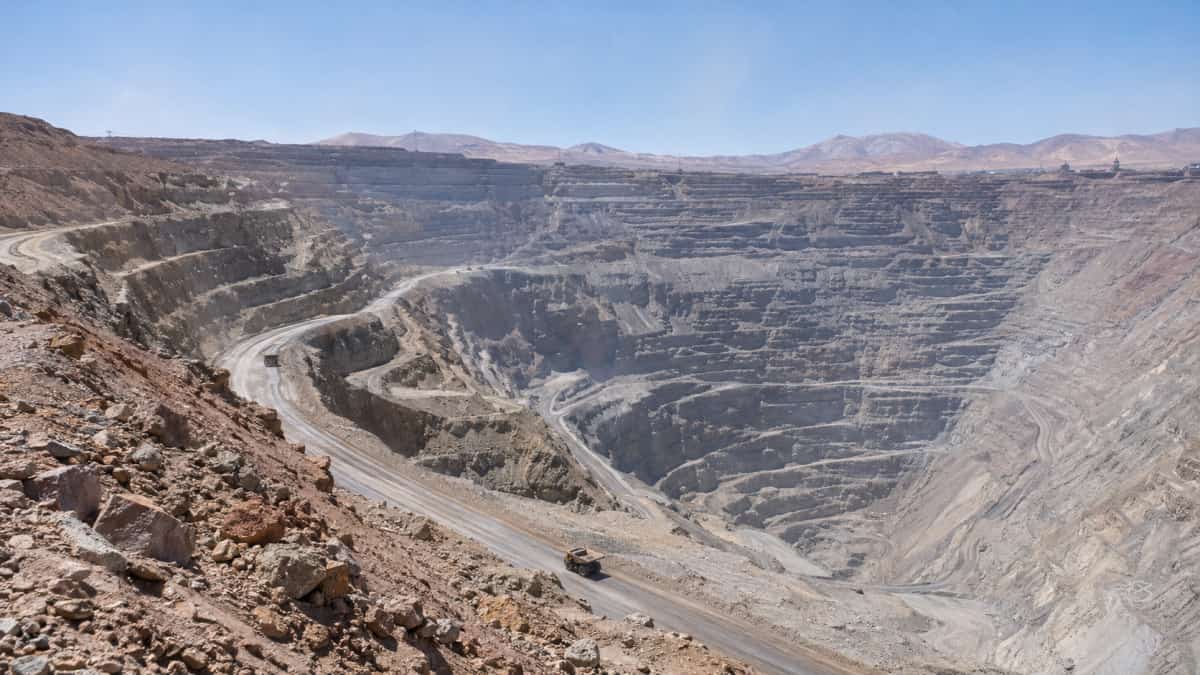
Codelco’s Chuquicamata takes US$3.024bn impairment as output falls
The underground conversion was meant to extend mine life; unions say the open pit may still be needed during its ramp-up.
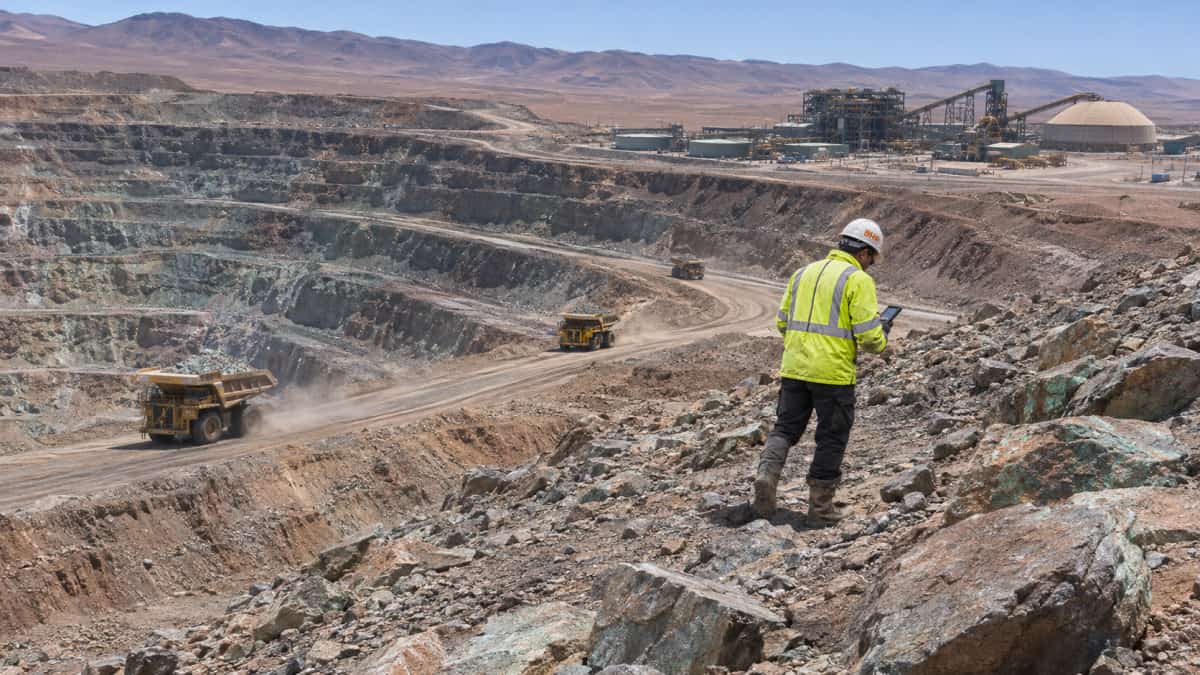
BHP’s copper expansion puts Escondida in a global fight for capital
A new concentrator is intended to counter falling grades at the Chilean mine, while projects in other districts compete for investment.
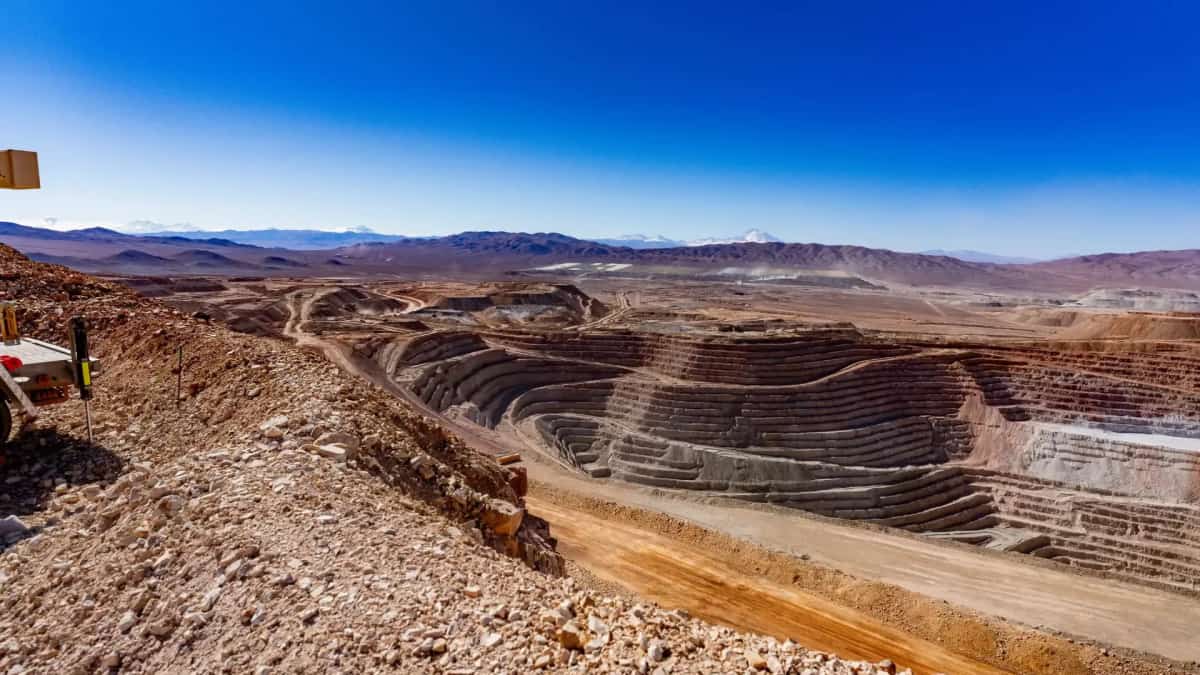
What would it cost Chile to finance an Australian-style exploration market?
Chile has exchange, custody and geology-data systems in place, but discovery-stage companies still lack a dedicated market for risk capital.