
Codelco’s Chuquicamata takes US$3.024bn impairment as output falls
The underground conversion was meant to extend mine life; unions say the open pit may still be needed during its ramp-up.
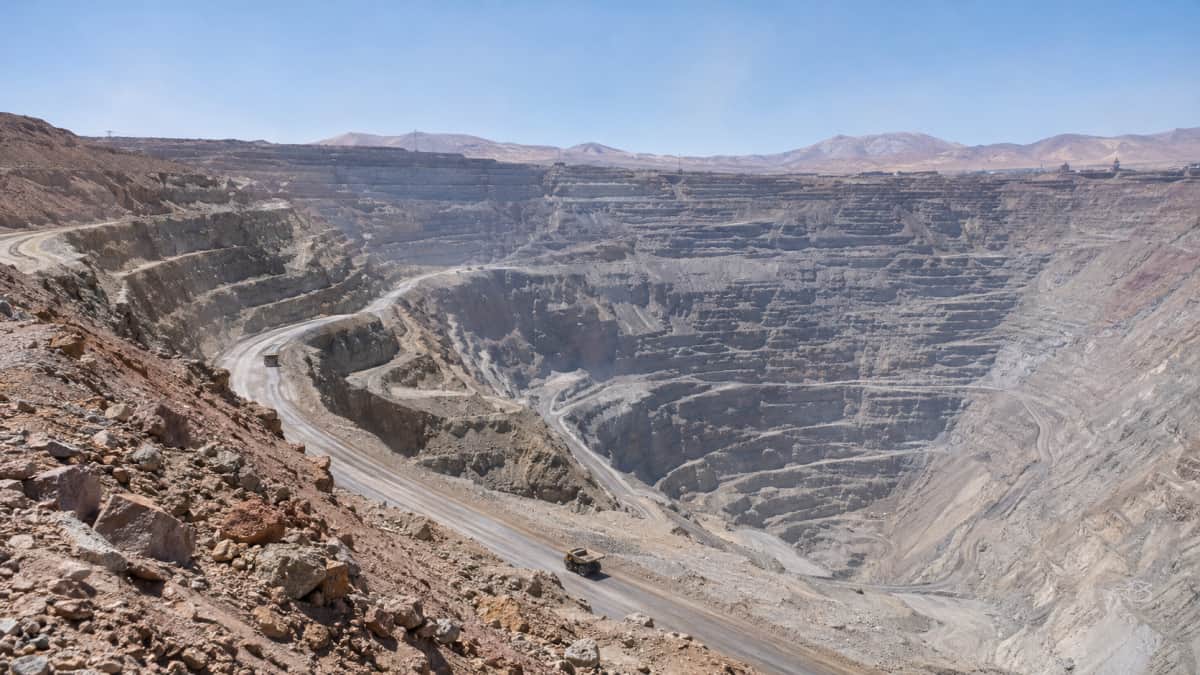
Why it matters: The impairment highlights the gap between Codelco’s investment in Chuquicamata’s underground mine and the division’s ability to generate returns as production declines.
US$3.024 billion — impairment recognised at Chuquicamata, about 63% of Codelco’s divisional asset write-downs
12.4% — year-on-year fall in the division’s copper output in the first nine months of 2026
US$5.5 billion — investment in Chuquicamata Subterránea, including early works
US$377 million — Codelco’s net loss for the first nine months of 2026 after impairments and an inventory adjustment
Codelco recognised a US$3.024 billion impairment against assets at its Chuquicamata division on November 27, as lower production and difficulties bringing its underground operation to expected performance weighed on the historic Chilean copper mine. The charge accounted for about 63% of the US$4.820 billion in impairments recorded across Chuquicamata, Salvador and Gabriela Mistral.
The write-down does not represent an immediate cash outflow. It reflects a reassessment of the future economic benefits expected from the division’s assets. Codelco also recorded a US$123 million inventory adjustment; together with the impairments, the charges contributed to a net loss of US$377 million for the first nine months of 2026. That result contrasted with corporate EBITDA of US$7.496 billion, up 80% year on year, supported by copper prices.
Underground mine has yet to offset open-pit decline
Chuquicamata Subterránea opened in August 2019 after an investment of US$5.5 billion, including early works. The project was intended to extend the division’s productive life by at least 40 years as the open pit deepened and grades declined. Its original design included 1,028 million tonnes of mineral reserves at a grade of 0.82% copper, extraction capacity of 140,000 tonnes per day at steady state and a target of 320,000 tonnes of fine copper a year by 2026.
The operation uses block caving, which requires coordinated geomechanical and operational control. Codelco has had to revise designs, extraction sequences and production strategies as it works to stabilise the mine. The division’s output fell by 21,000 tonnes of fine copper, or 12.4%, in January–September 2026 compared with the same period a year earlier. A major maintenance programme on the mineral transport system, including conveyor-belt replacement, reduced feed to the concentrator; filtering and smelting constraints also affected production.
Division-wide annual output fell from 401,000 tonnes in 2020 to 319,280 tonnes in 2021 and 248,000 tonnes in 2023. Those figures cover Chuquicamata as a whole, not just the underground mine.
Open-pit continuity remains under review
Unions have raised concern that open-pit extraction and some final leaching activities could end in 2028. They argue continued pit operations could help offset production challenges while the underground mine is stabilised. One option mentioned is Interminas, a project aimed at exploiting resources between Chuquicamata and Radomiro Tomic. Codelco has not made a final decision on the full closure of the division.
The pressure extends beyond mining. Chuquicamata’s smelter recorded about US$649 million in pre-tax losses from 2022 to 2025, adding to the division’s economic challenges as it faces modernisation, environmental requirements and processing-cost demands. Codelco’s recovery plan focuses on operational stability, safety, cost reduction and financial discipline. The next test is whether the company can improve mine performance while it evaluates the future of the open pit and associated operations.
More in Mining Stocks
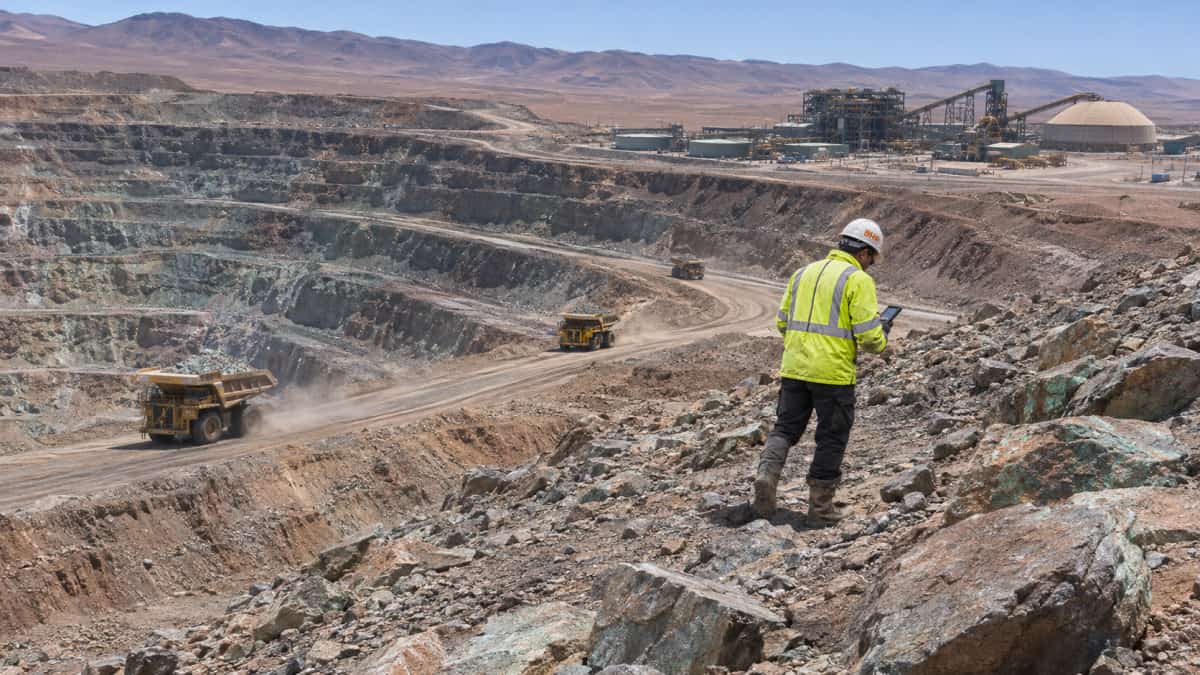
BHP’s copper expansion puts Escondida in a global fight for capital
A new concentrator is intended to counter falling grades at the Chilean mine, while projects in other districts compete for investment.
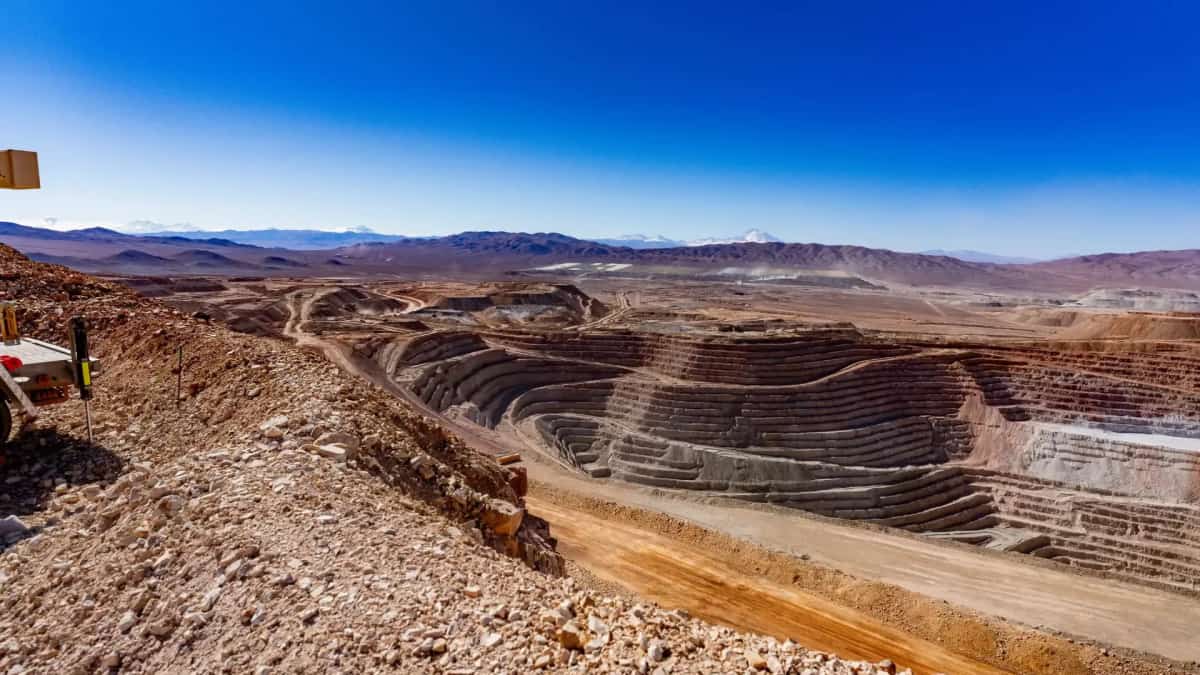
What would it cost Chile to finance an Australian-style exploration market?
Chile has exchange, custody and geology-data systems in place, but discovery-stage companies still lack a dedicated market for risk capital.
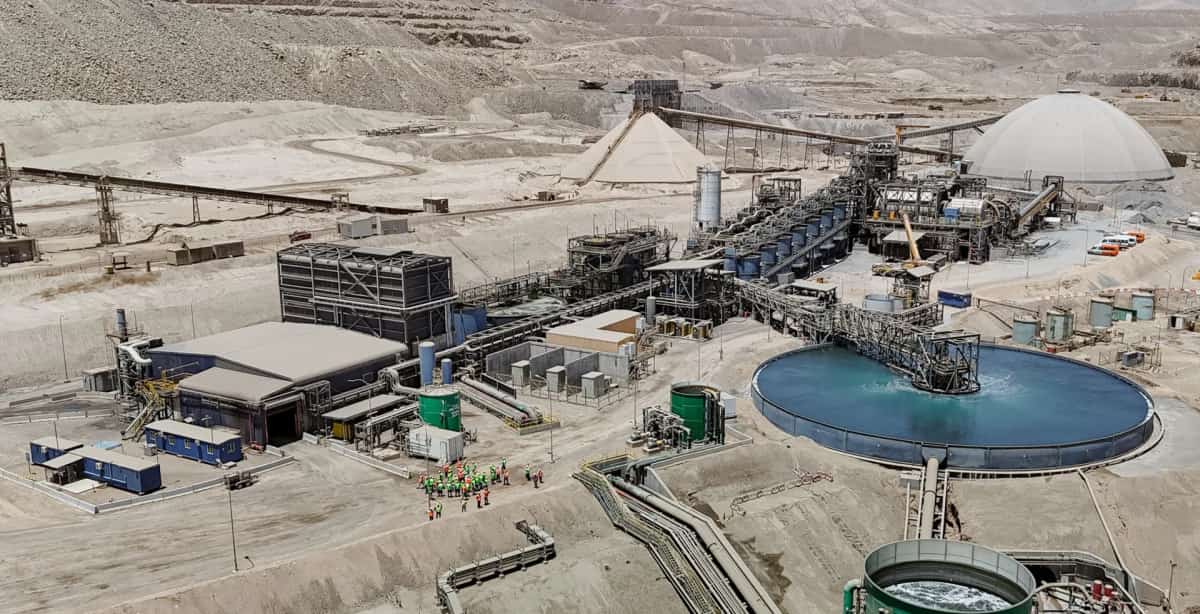
Why Chile has not built a lasting junior market for mineral exploration
Major producers absorbed most exploration spending in 2025, while earlier exchange efforts struggled to turn listings into repeat financing.