
BHP’s copper expansion puts Escondida in a global fight for capital
A new concentrator is intended to counter falling grades at the Chilean mine, while projects in other districts compete for investment.
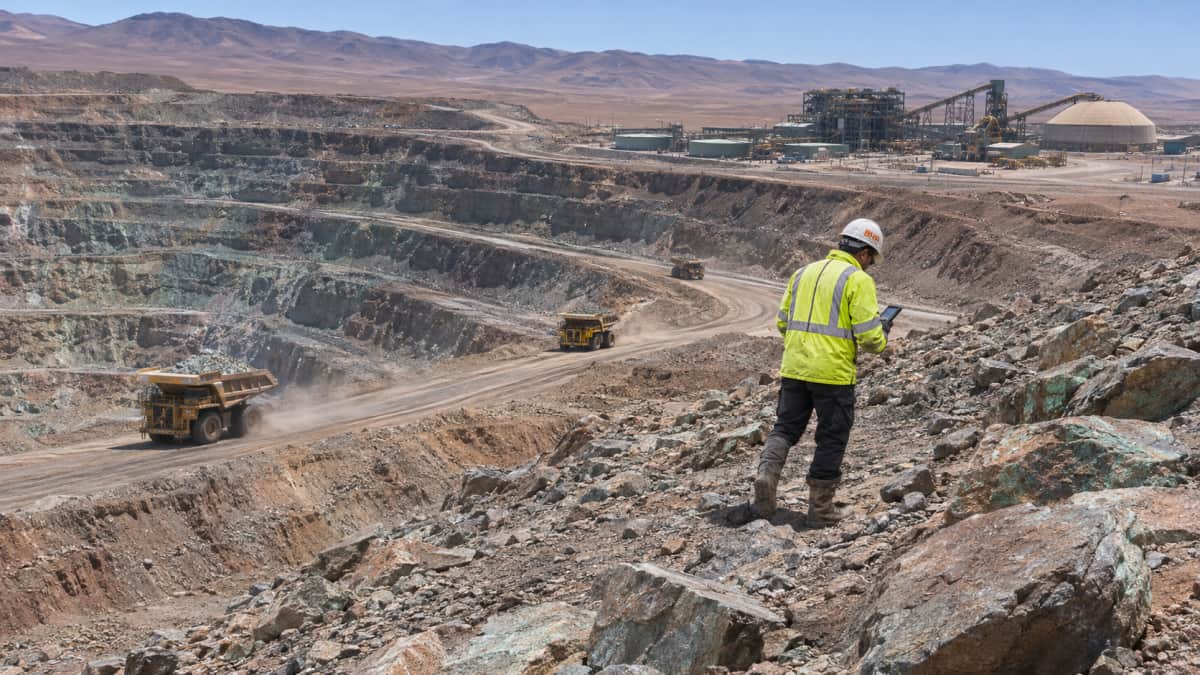
Why it matters: BHP’s capital allocation across several copper districts will shape which projects advance as the miner seeks to sustain and expand production.
US$12.3 billion — projected growth investment across fiscal 2027–2031, excluding sustaining capital and non-operated partnerships.
US$13.6 billion–US$17.4 billion — estimated investment for Copper South Australia’s expansion.
US$9.737 billion — initial investment program for the Vicuña project in Argentina and Chile.
US$5 billion — estimated cost of the proposed Escondida concentrator.
BHP is directing its copper growth plans across Chile, Australia, Argentina and the United States, with projects ranging from an environmental review in Chile to a potential final investment decision on Vicuña by the end of 2026. The company’s projected growth investment totals US$12.3 billion over fiscal 2027–2031, but that figure excludes spending on non-operated partnerships and existing-asset sustaining work.
The portfolio is intended to support BHP’s ambition of attributable copper production approaching 2 million tonnes a year by 2035. It produced approximately 2 million tonnes in fiscal 2026, when copper accounted for 54% of underlying EBITDA. BHP cited electrification, power-grid expansion, artificial intelligence and data centres as demand drivers.
Australia’s expansion depends on water and approvals
Copper South Australia, which includes Olympic Dam, Carrapateena and Prominent Hill, is the largest proposed investment program in the portfolio. BHP estimates spending of US$13.6 billion to US$17.4 billion to expand mining and processing capacity, targeting about 500,000 tonnes of annual copper production by 2035 and around 650,000 tonnes by 2040.
Plans include underground infrastructure, block-caving methods and expanded smelting and refining facilities. Water supply is a key constraint, and development would be staged, subject to further economic assessments, permits and investment decisions.
Escondida and Vicuña anchor the South American plans
In Chile, BHP’s proposed US$5 billion concentrator at Escondida is intended to help maintain the operation’s competitiveness as ore grades decline and processing requirements rise. The project entered Chile’s environmental assessment system in March 2026. BHP has approved US$500 million for its share of advance financing; a final investment decision could follow in 2027 or 2028.
Elsewhere in Chile, the company is assessing ways to recover copper from Spence sulphide ore using leaching technologies, exploring operational efficiencies with Sierra Gorda SCM, and evaluating the possible environmental approval of a restart at Cerro Colorado, which has been in care and maintenance since December 2023.
Across the border, Vicuña combines the Josemaría and Filo del Sol deposits in a 50:50 venture between BHP and Lundin Mining. Its initial US$9.737 billion investment program has been accepted under Argentina’s RIGI investment incentive regime. The first stage could produce about 200,000 tonnes of copper a year, as well as gold and silver. A final investment decision could come by year-end 2026, subject to technical and economic review. BHP is also advancing exploration in Mendoza, including El Seguro and drilling funded in Western Malargüe.
Arizona resource and partnerships add another route to growth
BHP owns 45% of Resolution Copper in Arizona, with Rio Tinto holding 55% and operating the project. BHP reported a mineral resource inventory of 1.86 billion tonnes grading 1.52% copper in its fiscal 2026 disclosures. Development faces technical, environmental and social challenges, including disputes concerning land of cultural importance to Indigenous communities.
The transfer of San Manuel to Faraday Copper was completed on October 15, 2026, increasing BHP’s stake in Faraday to about 32% on an undiluted basis. San Manuel and Faraday’s Copper Creek project give the company another potential exploration and development position in Arizona.
The proposed investment totals describe project costs, not solely BHP’s share, and include projects at different stages of evaluation. The next major decisions include the potential Vicuña investment decision by the end of 2026 and, for Escondida, a decision that could follow in 2027–2028.
More in Mining Stocks
What would it cost Chile to finance an Australian-style exploration market?
Chile has exchange, custody and geology-data systems in place, but discovery-stage companies still lack a dedicated market for risk capital.
Why Chile has not built a lasting junior market for mineral exploration
Major producers absorbed most exploration spending in 2025, while earlier exchange efforts struggled to turn listings into repeat financing.
Chile’s 1% copper-export exploration scenario leaves the funding model open
The hypothetical pool would target early-stage work, but export receipts are not automatically available to the state.