
Tarapacá’s AI pact puts mining in focus, but deployment details remain open
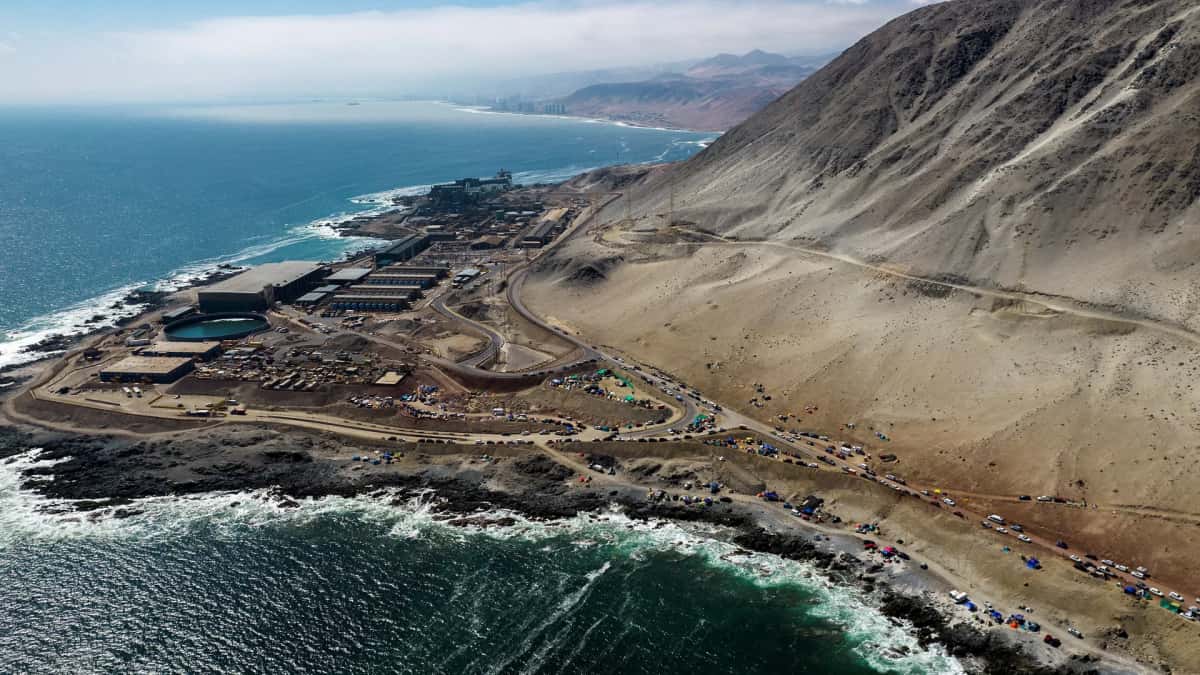
Iquique’s summit linked public agencies, business groups and technology providers around three regional industries.
reuters.com
Why it matters: For Tarapacá’s mining sector, the test is whether regional coordination can turn AI discussions into production applications.
2 days — the summit ran on November 24 and 25 in Iquique.
3 sectors — mining, energy and port logistics were the event’s focus.
2 initiatives — the meeting concluded with a coordination agreement and a business-oriented AI copilot.
Tarapacá’s first AI summit concluded in Iquique with a regional coordination agreement and the presentation of a free copilot intended to help businesses identify potential uses for artificial intelligence. The event focused on mining, energy and port logistics, but did not set out specific commitments, funding or timelines for the agreement, or technical and access conditions for the tool.
The summit was held on November 24 and 25 at Inacap Iquique, bringing together public-sector, business and technology representatives. Its programme included international presentations, panels and technical discussions on applying AI to productive processes.
Agreement seeks to connect regional actors
The Convenio IA Tarapacá is intended to coordinate authorities, industry groups and private companies as they promote AI adoption across the region’s economy. It was developed under Corfo’s Viraliza Eventos programme, selected by the Tarapacá Productive Development Committee and delivered by NODO.
NODO comprises the Chilean Association of Information Technology Companies (ACTI), the training body of the Chilean Chamber of Construction (OTIC) and Desafío Latam. The summit’s focus on mining reflects the sector’s place alongside energy and port logistics in the region’s productive base; however, no sector-specific implementation plans were detailed.
Corfo Tarapacá regional director Espártago Ferrari said AI could contribute to regional productivity and competitiveness, and stressed the need to connect innovation with companies’ operational needs. NODO executive director and summit head Andrés Gallardo said the technology needed to translate into concrete applications rather than remain a discussion of possibilities.
Copilot is intended to identify business use cases
The copilot was presented as a free tool for companies and entrepreneurs. Its stated purpose is to help users identify opportunities to apply AI and connect their needs with available technology solutions. The summit did not provide details on how the tool works, eligibility, access arrangements or the solutions it can recommend.
International speakers included Maribel Guzmán of the Pontifical Catholic University of Peru, who addressed mining; Elena Morettini of Globant Argentina; and Karla Mateluna of Somapas in Uruguay. Their sessions covered technology integration challenges and applications in mining and energy, including process optimisation and decision support. The event also included networking between companies, entrepreneurs, specialists and public representatives.
The next measurable step will be whether the agreement produces defined commitments and whether businesses can access the copilot under clear technical and operating conditions.
More in Frontier Mining
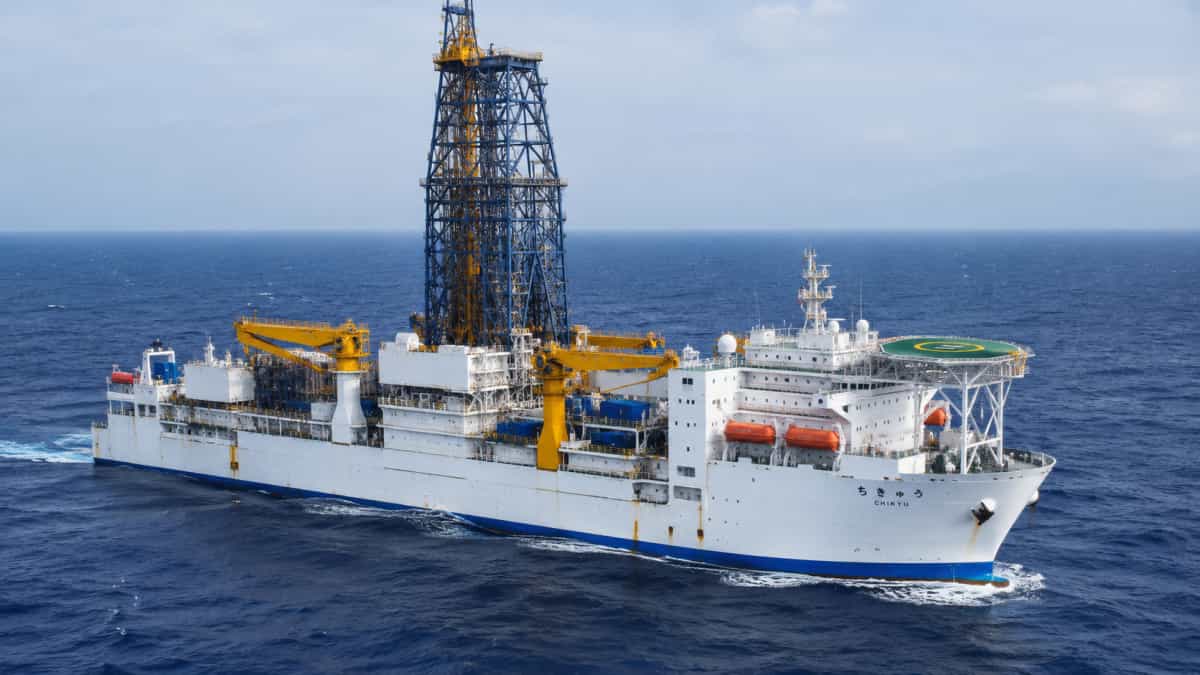
Japan’s 6,000-metre rare earth test moves from recovery to economics
The deposits sit inside Japan’s EEZ, but recovering sediment is only one link in a supply chain dominated by China.
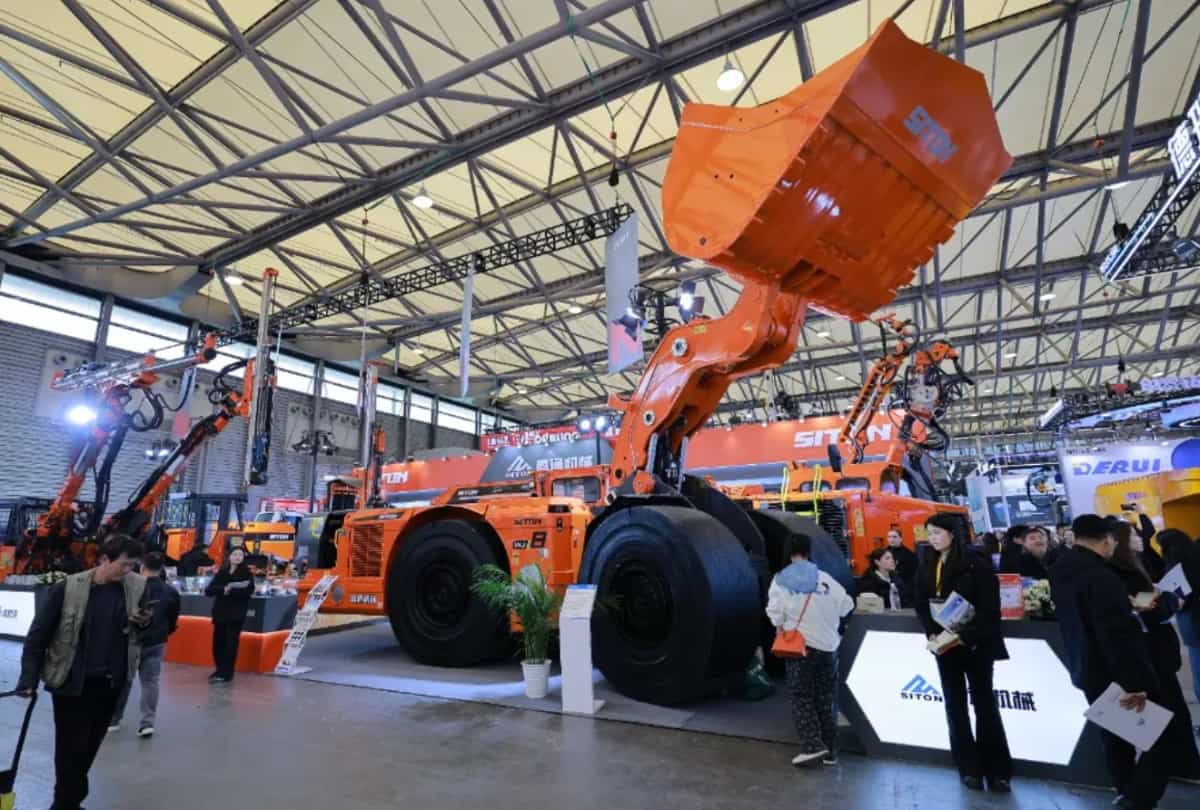
Jiangxi Siton puts 45-tonne UK45 at bauma China as lineup spans mine cycle
The UK45 is the headline machine, but underground production also depends on what happens before a haul truck arrives.

Hera’s Dimorphos images reveal DART’s crater—and an unknown shaping deflection
NASA’s 2022 test changed Dimorphos’s orbit, but predicting another deflection depends on a property Hera is now investigating.