
Japan’s 6,000-metre rare earth test moves from recovery to economics
The deposits sit inside Japan’s EEZ, but recovering sediment is only one link in a supply chain dominated by China.
Why it matters: If Japan can recover and process these seabed sediments economically, it could add a domestic source of heavy rare earths to a supply chain concentrated in China.
About 50 tonnes — sediment recovered during the experimental campaign.
More than 16 million tonnes — estimated geological potential for rare-earth oxides, not a reserve estimate.
350 tonnes per day — target sediment recovery rate for a larger-scale test planned for 2027.
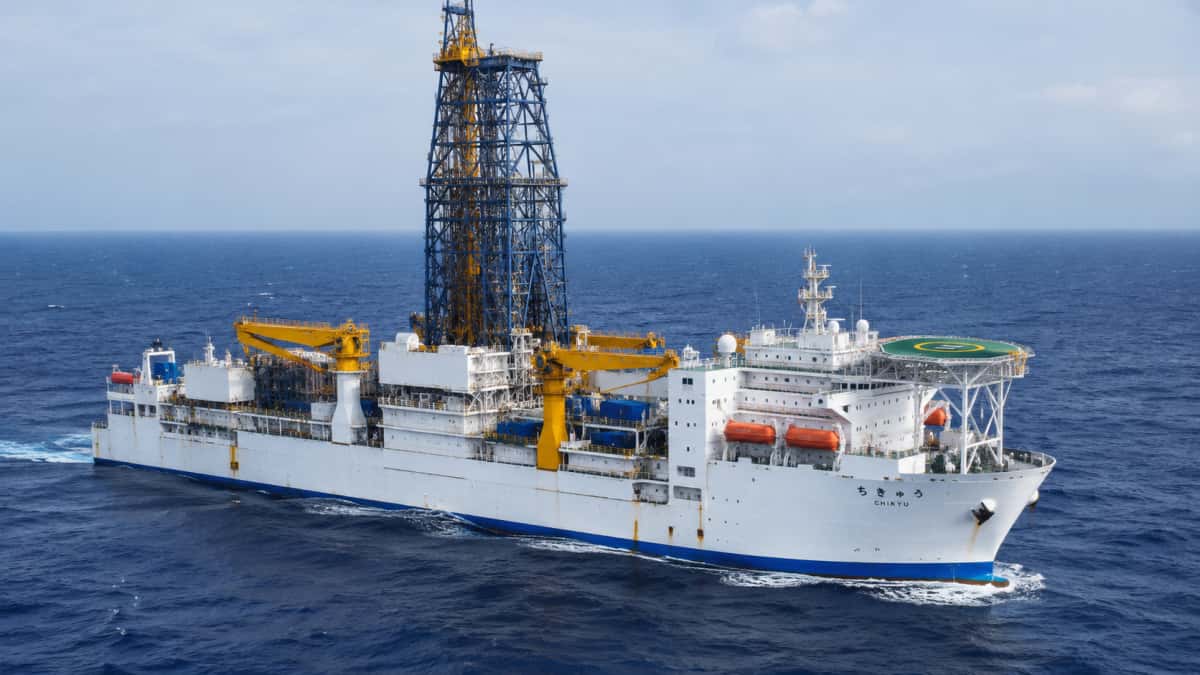
Japan’s research vessel Chikyu recovered rare-earth-bearing sediment from about 6,000 metres below the Pacific near Minamitorishima on February 1, 2026, in an experiment led by the Japan Agency for Marine-Earth Science and Technology (JAMSTEC). The recovery demonstrated that material could be lifted from the seabed; it did not establish whether the deposit can be mined commercially.
The programme is intended to diversify Japan’s supply of minerals used in permanent magnets, electric motors, electronics and other advanced technologies. The next tests must establish whether extraction, transport and processing can work reliably at scale and at a competitive cost.
Recovery at depth is only the first test
The experimental campaign recovered about 50 tonnes of sediment to test extraction equipment, pumping systems and operating conditions. Analyses presented on July 24 confirmed the presence of dysprosium, terbium, neodymium, yttrium and gadolinium. These elements have uses in high-temperature magnets, electric motors, wind turbines, ceramics and electronics.
At roughly six kilometres deep, the system must operate under pressure about 600 times greater than atmospheric pressure at sea level. Equipment also faces cold, corrosive conditions and difficult maintenance. A commercial system would need to move sediment continuously from the seabed to the surface through pumping and conveyance infrastructure.
The presence of target elements in recovered material is not, on its own, evidence of economic viability. The project still needs to demonstrate recovery rates, processing performance, energy use and equipment durability over sustained operations.
Geological potential is not a reserve
Research published in 2018 identified more than 16 million tonnes of potential rare-earth oxides, including yttrium, in the Minamitorishima area. The material occurs in seabed sediments rather than in conventional open-pit or underground deposits. The figure describes geological potential, not commercially mineable reserves.
The concentration of heavy rare earths is of particular interest to Japan because global supply is concentrated. China has a dominant position across extraction, separation, refining and the manufacture of rare-earth-based components. Japan’s automotive, precision machinery and electronics industries rely on these supply chains, but a domestic source of sediment would not by itself remove dependence on overseas processing and refining.
Larger trial will test scale and costs
Japan plans a larger experimental campaign in February 2027, targeting recovery of 350 tonnes of sediment per day. That is a sediment throughput target, not output of refined rare earths. The programme aims to assess system stability and the potential to scale operations, with a comprehensive economic assessment planned for March 2028.
The assessment will need to address energy consumption, transport costs, equipment life and recovery of the contained elements. Japan and the United States also included seabed mineral resources in their supply-security discussions on November 12, 2026, with cooperation envisaged in research and technology development.
Environmental performance is another unresolved condition. Sediment removal could disturb deep-sea habitats, create suspended particles and affect biological communities whose recovery is not well understood. Monitoring will need to consider sediment dispersal, underwater noise, seabed disturbance and processing waste. The project lies within Japan’s exclusive economic zone, but that jurisdiction does not remove the need to assess and manage environmental effects. The 2027 trial and the economic assessment due in 2028 are the next tests of whether Minamitorishima’s seabed material can become a viable supply source.
More in Frontier Mining
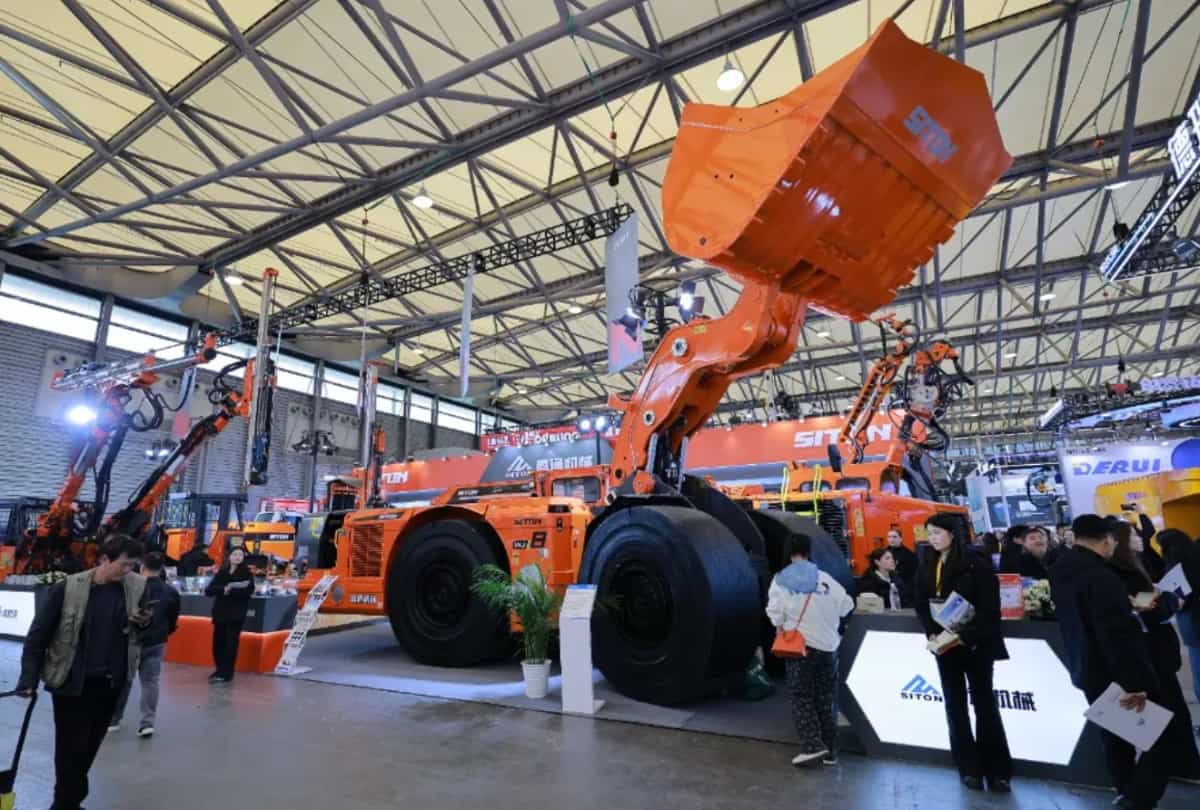
Jiangxi Siton puts 45-tonne UK45 at bauma China as lineup spans mine cycle
The UK45 is the headline machine, but underground production also depends on what happens before a haul truck arrives.
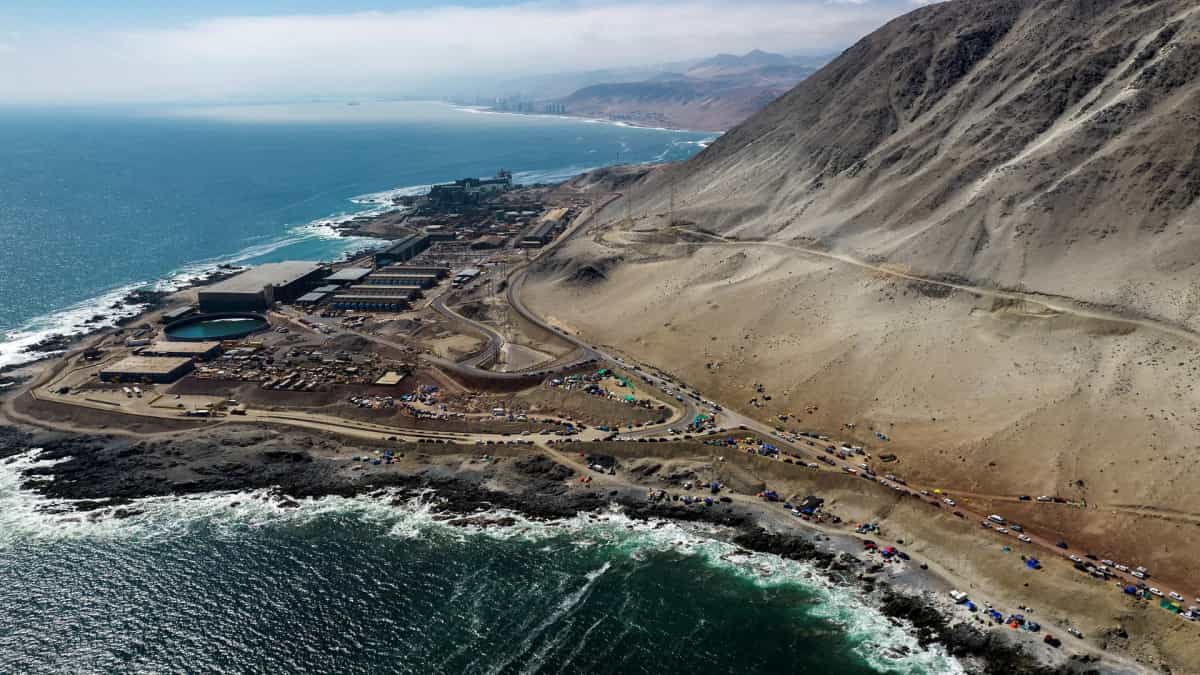
Tarapacá’s AI pact puts mining in focus, but deployment details remain open
Iquique’s summit linked public agencies, business groups and technology providers around three regional industries.
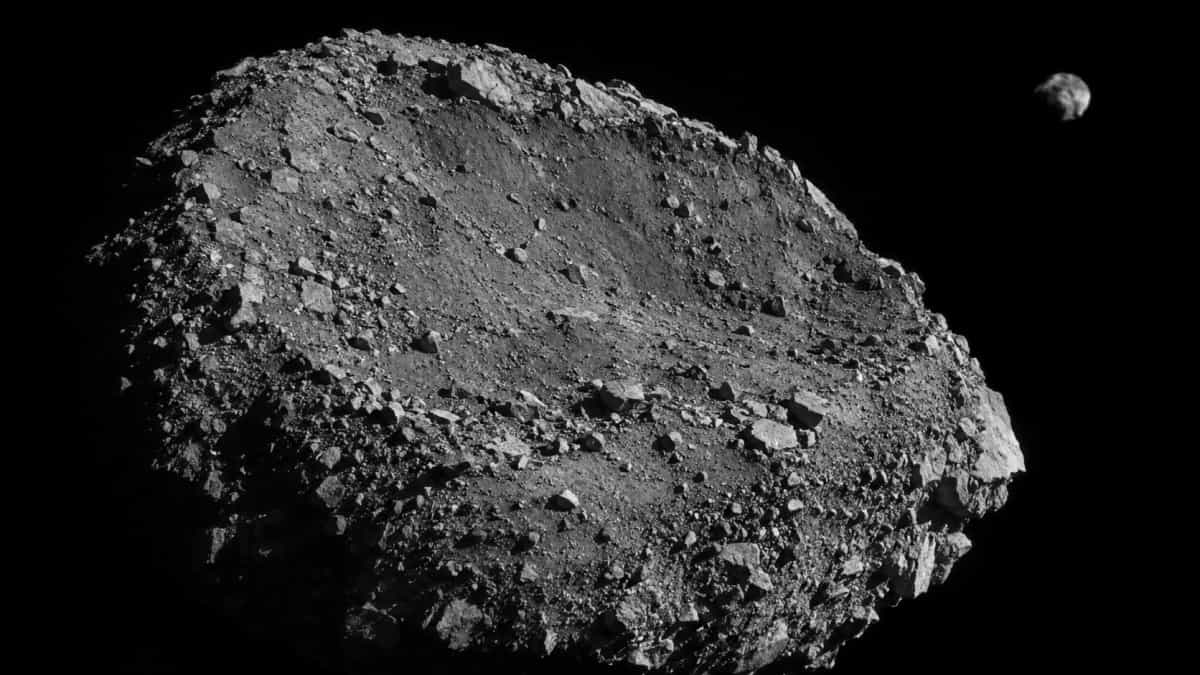
Hera’s Dimorphos images reveal DART’s crater—and an unknown shaping deflection
NASA’s 2022 test changed Dimorphos’s orbit, but predicting another deflection depends on a property Hera is now investigating.