
Northwestern wrist sensors top 92% gesture accuracy, but repeat use tests reliability
Camera-free controls could suit rehabilitation and industrial tasks, but researchers have yet to show how the systems perform beyond controlled trials.
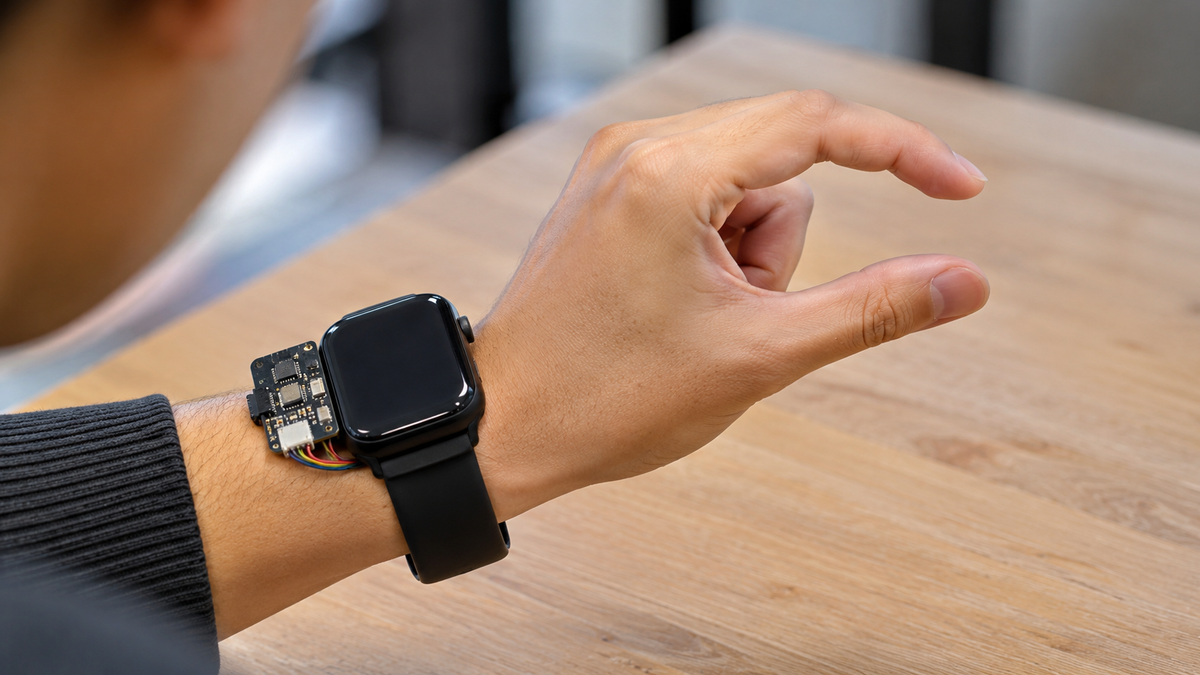
Why it matters: Reliable wrist-based gesture recognition could give hands-busy workers a new interface, but adapting the systems to different users remains a deployment hurdle.
92.5% — EITWatch accuracy for six broad hand gestures in controlled tests.
73.2% — broad-gesture accuracy when participants put the device back on 48 hours later.
90.4% — TransfHAR accuracy after one minute of training per activity.
12 participants — took part in EITWatch’s evaluation.
Northwestern University researchers have developed two experimental smartwatch systems that identify hand gestures and everyday activities using sensors at the wrist. EITWatch recorded more than 92% accuracy for broad gestures in controlled tests, but performance fell when participants removed and later replaced the device. The findings were presented at the UIST 2026 symposium in Detroit on November 3.
The systems take different approaches. EITWatch detects electrical changes in tissue beneath the skin to infer muscle and tendon movement. TransfHAR uses accelerometers and gyroscopes to learn activities from short demonstrations. Both aim to enable screen-free control, with possible uses in accessibility, rehabilitation and industrial work.
EITWatch reads tissue signals from the wrist
EITWatch uses electrical impedance tomography, a technique that detects changes in the electrical properties of tissue. Its prototype has eight electrodes arranged in a 31-millimetre ring on the back of a watch. The electrodes apply low-intensity electrical signals and measure changes as muscles and tendons move.
The system takes 35 impedance measurements per cycle at 48 cycles per second. In tests with 12 participants, it classified six broad hand gestures with 92.5% accuracy and five subtle finger movements with 91.5% accuracy. The strongest results came when models were tested on people whose movements had been used to train them.
A repeat-wear test showed the limitation: after participants removed the device and put it back on 48 hours later, accuracy fell to 73.2% for broad gestures and 70.4% for subtle movements. Performance also declined when the system was tested on people outside its training group. The results point to user calibration and consistent device positioning as unresolved challenges.
TransfHAR learns activities from short demonstrations
TransfHAR tackles activity recognition rather than tissue sensing. It uses motion sensors already found in many smartwatches and applies machine learning to identify patterns specific to an individual. In an evaluation involving 10 participants and seven new activities per person, it reached 86.7% balanced accuracy using five training examples for each activity. With a one-minute recording per activity, accuracy rose to 90.4%.
The system was developed by researchers from Northwestern, Carnegie Mellon and Google Health Research. Its short-demonstration approach could let a user teach a watch to distinguish tasks such as writing, stirring a drink or doing a repeated manual activity without extensive pre-labelled training data.
Industrial use remains untested
For mining, maintenance and logistics, gesture controls could reduce the need to touch a screen while using tools or wearing gloves. Motion recognition might also support task training or ergonomic monitoring. But the researchers have not shown that either system can operate reliably in mine or industrial conditions, including exposure to vibration, dust, moisture and unpredictable movement. Neither is established for controlling safety-critical equipment.
EITWatch also needs smaller electronics: the test prototype used additional circuitry that protruded from the watch. Both systems require further evidence on sustained performance, power use and privacy. No commercial release date has been confirmed, and potential medical uses would require clinical validation.
More in Frontier Mining
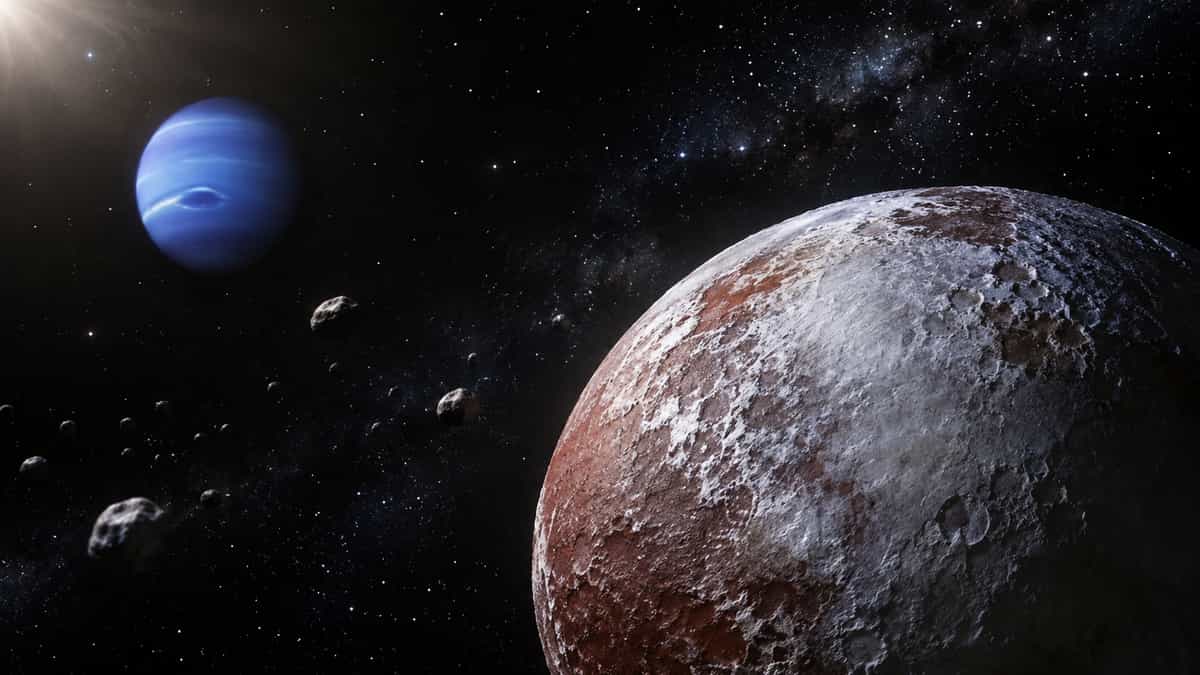
NASA’s 12 stratospheric dust grains may point to ancient ice beyond Neptune
The particles were recovered near Earth, but the region they may represent is almost impossible to sample directly.
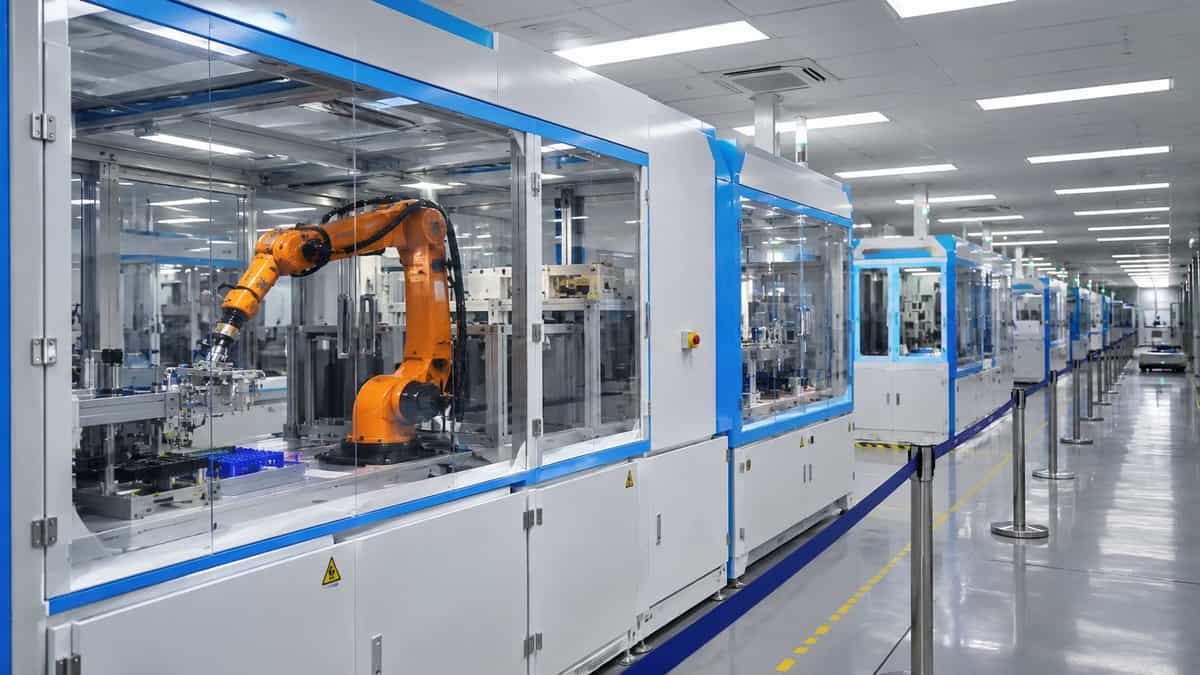
AI-run labs promise faster materials research, but mining poses a different test
From reagent selection to mineral recovery, each change in chemistry can demand another round of trials.
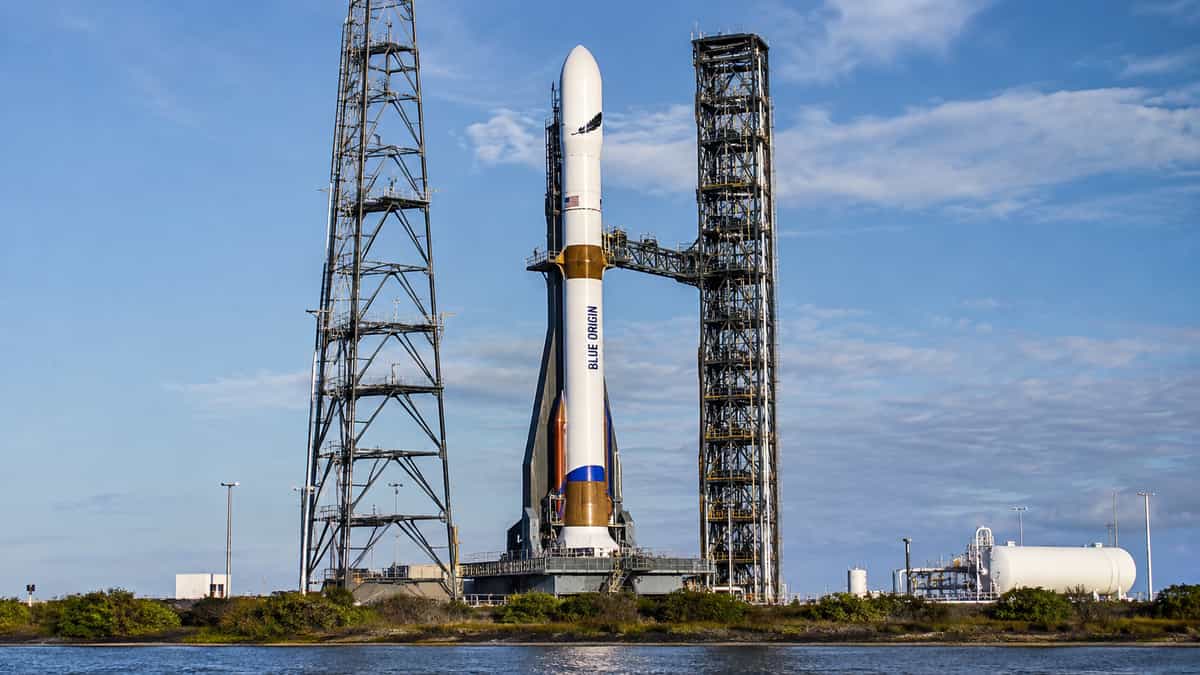
Google and Blue Origin target 2029 space data centres, but heat remains a hurdle
A New Glenn launch would test whether distributed orbital computing can move beyond a single-satellite demonstration.