
Google and Blue Origin target 2029 space data centres, but heat remains a hurdle
A New Glenn launch would test whether distributed orbital computing can move beyond a single-satellite demonstration.
Why it matters: If orbital computing can scale, it could add a new source of demand for power infrastructure and copper, but its economics and thermal management remain unproven.
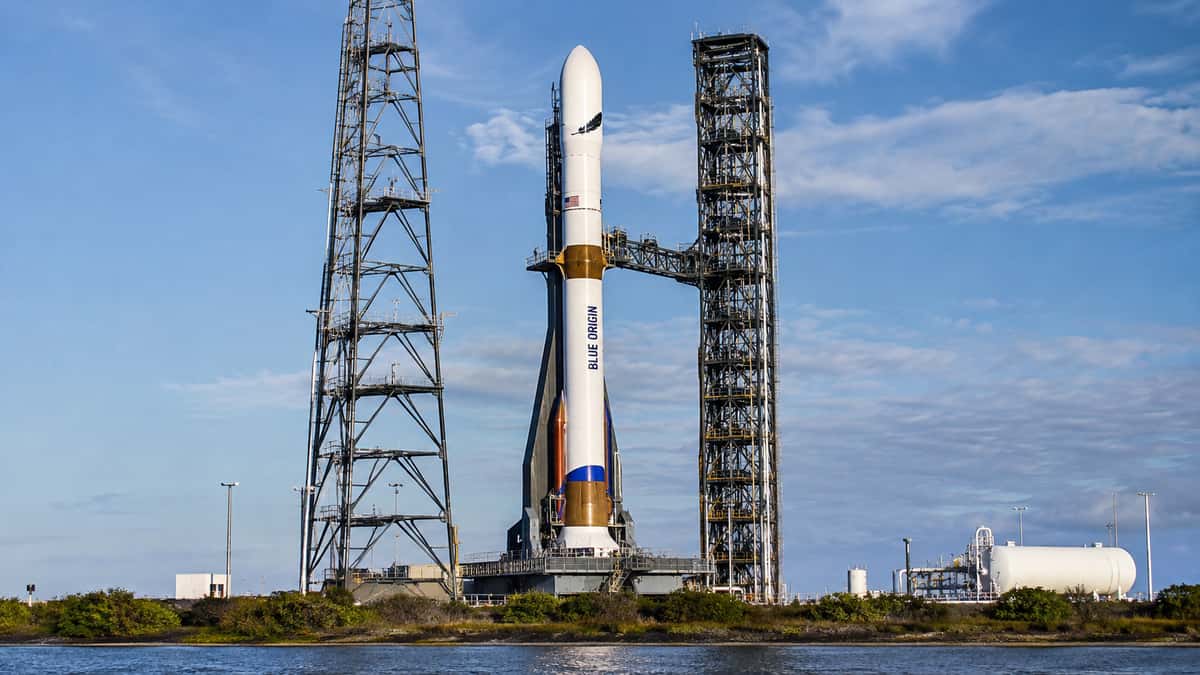
First quarter 2029 — planned New Glenn launch for Project Suncatcher.
485 TWh to about 950 TWh — projected rise in global data-centre electricity use from 2025 to 2030.
Two satellites in 2027 — planned test of inter-satellite links and distributed processing.
Up to 51,600 satellites — the proposed scale of Blue Origin’s separate Project Sunrise constellation.
Google and Blue Origin plan to use a New Glenn launch in the first quarter of 2029 to deploy satellites carrying Google tensor processing units (TPUs) for Project Suncatcher, an experimental effort to run AI computing in orbit. The mission would test a distributed satellite system, not a conventional data centre in space; the companies have not disclosed the satellite count or contract value.
The technical case rests partly on access to solar power in orbit, where some trajectories can provide more consistent sunlight than ground-based solar installations. But reliable power is only one part of the equation. Processors generate heat, and the vacuum of space prevents the convective cooling used by terrestrial data centres. Orbital systems must transfer heat to radiators and release it without making satellites excessively heavy.
The 2029 mission follows an initial orbital test
Google’s agreement with Blue Origin builds on earlier Project Suncatcher testing. A prototype launched on a shared SpaceX mission with Planet’s participation on 1 October 2026. On 30 October, it completed a processing test using the Gemma 4 AI model: the satellite received an instruction from a ground station, processed it on board and transmitted a result back to Earth.
That test showed that specialised processors can perform AI tasks in orbit, but it did not establish that a large, continuously operating network would be reliable or cost-competitive. Google plans a further experiment in 2027 with two linked satellites to assess high-speed communications and distributed processing. The planned 2029 launch would be the first heavy-lift launch contracted exclusively for Suncatcher.
Each proposed satellite is expected to have computing capacity roughly equivalent to a conventional data-centre server rack. Optical laser links would connect the satellites, allowing them to exchange data. The number of units on the New Glenn mission has not been made public.
Power demand meets orbital cooling and cost constraints
The project is being explored as data-centre electricity consumption rises. Global facilities used about 485 terawatt-hours (TWh) in 2025, and consumption could reach around 950 TWh by 2030. Demand increased 17% in 2025, while electricity use at facilities dedicated specifically to AI grew by about 50%, according to the figures cited in the project material.
In addition to thermal control, orbital hardware must withstand radiation, solar particles and launch vibration. Transport costs, equipment lifespan, communications failures, repairs and end-of-life satellite disposal also affect the business case. No public figure has been given for the total investment needed to build an orbital computing network, and commercial competitiveness against terrestrial facilities has not been demonstrated.
Blue Origin’s own Project Sunrise is a separate proposal. In March 2026, the company filed with the US Federal Communications Commission for a constellation of up to 51,600 satellites in sun-synchronous orbits roughly 500 to 1,800 kilometres above Earth. That figure describes a regulatory application, not an approved or deployed fleet; it is distinct from Google’s Suncatcher programme.
The plans also have a potential, indirect connection to mining. Estimates put copper use by conventional and AI data centres at 250,000 to 550,000 tonnes annually by 2030, or roughly 1% to 2% of global demand. Those estimates concern data-centre expansion broadly, not the copper requirements of orbital projects. Google and Blue Origin have announced no mining-sector commitments. Suncatcher’s next stated technical step is the planned two-satellite test in 2027, before the larger New Glenn mission.
More in Frontier Mining
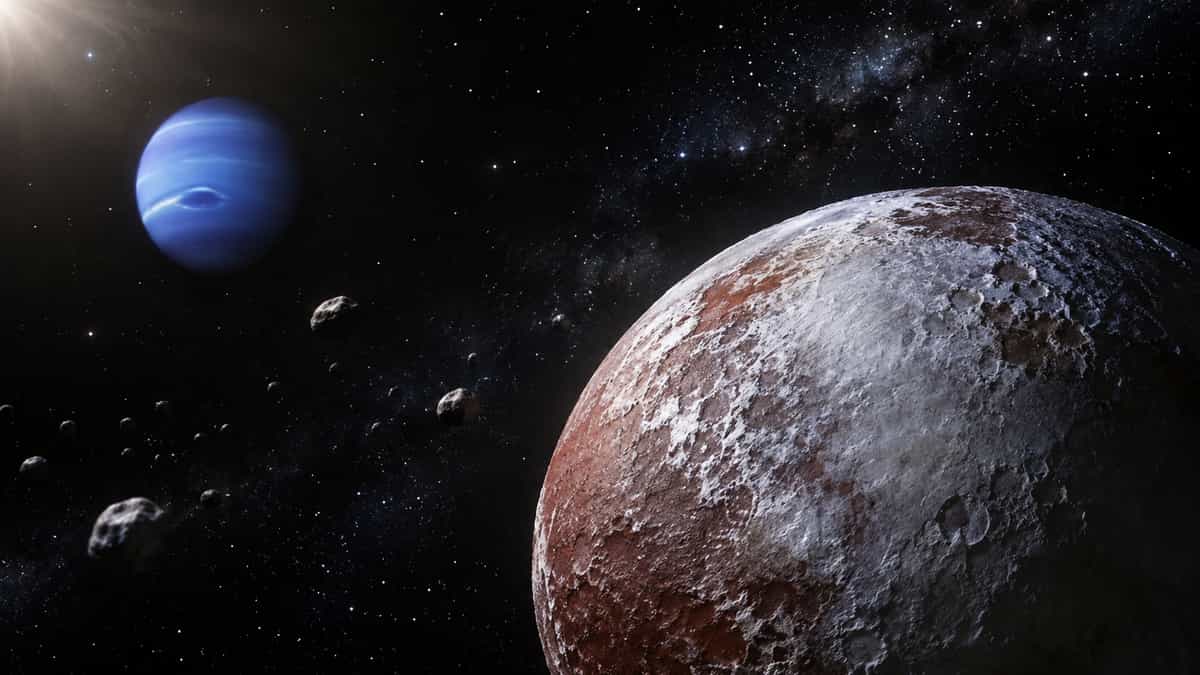
NASA’s 12 stratospheric dust grains may point to ancient ice beyond Neptune
The particles were recovered near Earth, but the region they may represent is almost impossible to sample directly.
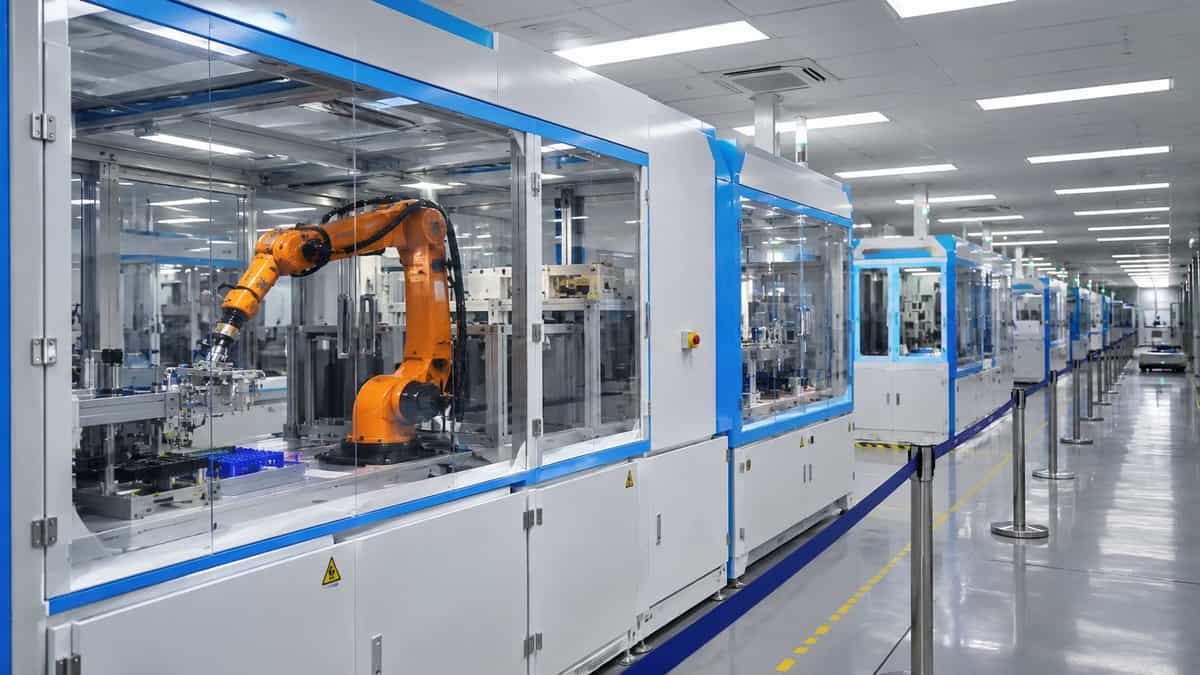
AI-run labs promise faster materials research, but mining poses a different test
From reagent selection to mineral recovery, each change in chemistry can demand another round of trials.

Northwestern wrist sensors top 92% gesture accuracy, but repeat use tests reliability
Camera-free controls could suit rehabilitation and industrial tasks, but researchers have yet to show how the systems perform beyond controlled trials.