
Kast visits NTT as Codelco tests whether its network can serve El Teniente
Remote control could move workers away from exposed areas, but El Teniente must establish whether the connection can meet mine-site demands.
Why it matters: Reliable connectivity is a prerequisite for moving some mine work away from hazardous areas and into remote control centres.
20 November 2026 — José Antonio Kast visited NTT’s Tokyo headquarters.
6 August 2026 — Codelco and NTT DOCOMO BUSINESS announced their feasibility study and proof of concept.
About 1,500 kilometres — the distance the proposed IOWN link was designed to span, according to information released in August.
More than 140 representatives — attended a separate business meeting involving Chilean and Japanese public- and private-sector participants.
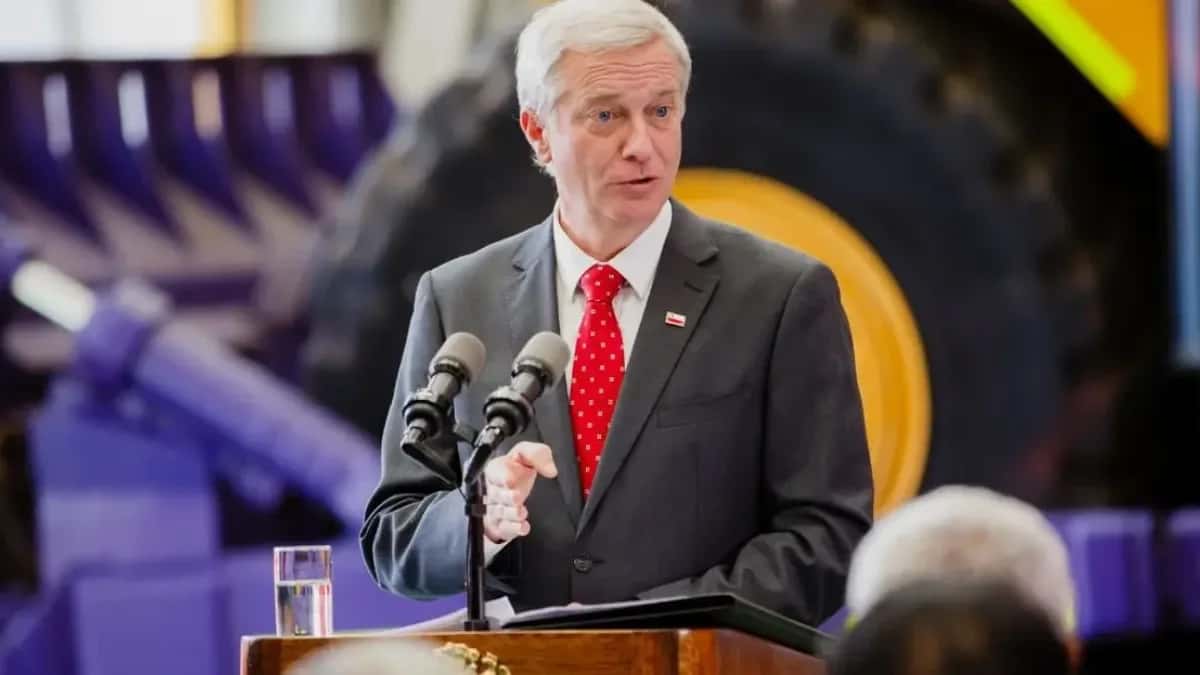
Codelco and NTT are assessing whether NTT’s IOWN optical network can support remote operations at the El Teniente division, including a proposed connection between the mine and an operations centre in Rancagua. Chilean President José Antonio Kast visited NTT’s Tokyo headquarters on 20 November, where he was briefed on the technology; its performance in El Teniente has yet to be established.
El Teniente is the test case for remote connectivity
The evaluation predates Kast’s visit. On 6 August, NTT DOCOMO BUSINESS and Codelco announced a feasibility study and proof of concept for IOWN APN at El Teniente. The proposed system would link the mine to a remote operations centre in Rancagua, with the design described at the time covering about 1,500 kilometres.
IOWN, or Innovative Optical and Wireless Network, uses optical technologies to transmit information. NTT’s stated objectives include lower latency and energy consumption. In a mine, high-capacity communications could connect equipment, facilities and control centres, supporting remote machinery operation and high-definition video monitoring.
Those are potential applications, not confirmed operating capabilities at El Teniente. The study must determine whether the network can provide the continuity required for mine operations and support appropriate safety conditions. Underground monitoring and remote control of heavy equipment are also among the possible uses identified, but each would depend on technical testing and safety protocols.
Japan cooperation includes minerals processing
At NTT, Kast met company president and chief executive Akira Shimada and chief technology officer Katsuhiko Kawazoe. Company representatives presented research and possible industrial applications. Kast later highlighted the potential for such technologies to improve mining safety and be used across productive sectors.
The technology discussions formed part of a broader Chile-Japan agenda. During Kast’s meeting with Japanese Prime Minister Sanae Takaichi, the governments agreed to deepen cooperation on critical minerals and welcomed a memorandum on information and communications technologies. Takaichi cited remote mine operations in Chile as an example of bilateral cooperation.
Kast also attended a business meeting organised by Chile’s embassy and InvestChile, with more than 140 public- and private-sector representatives. He called for an economic relationship that extends beyond raw-material exports to processing and refining in Chile. Japan is Chile’s largest Asian investor and a major trading partner, according to the supplied information.
For El Teniente, the next step remains the technical evaluation: the project has not confirmed a broader deployment, and the proposed network’s reliability and safety performance must be assessed before remote operations can be established.
More in Frontier Mining
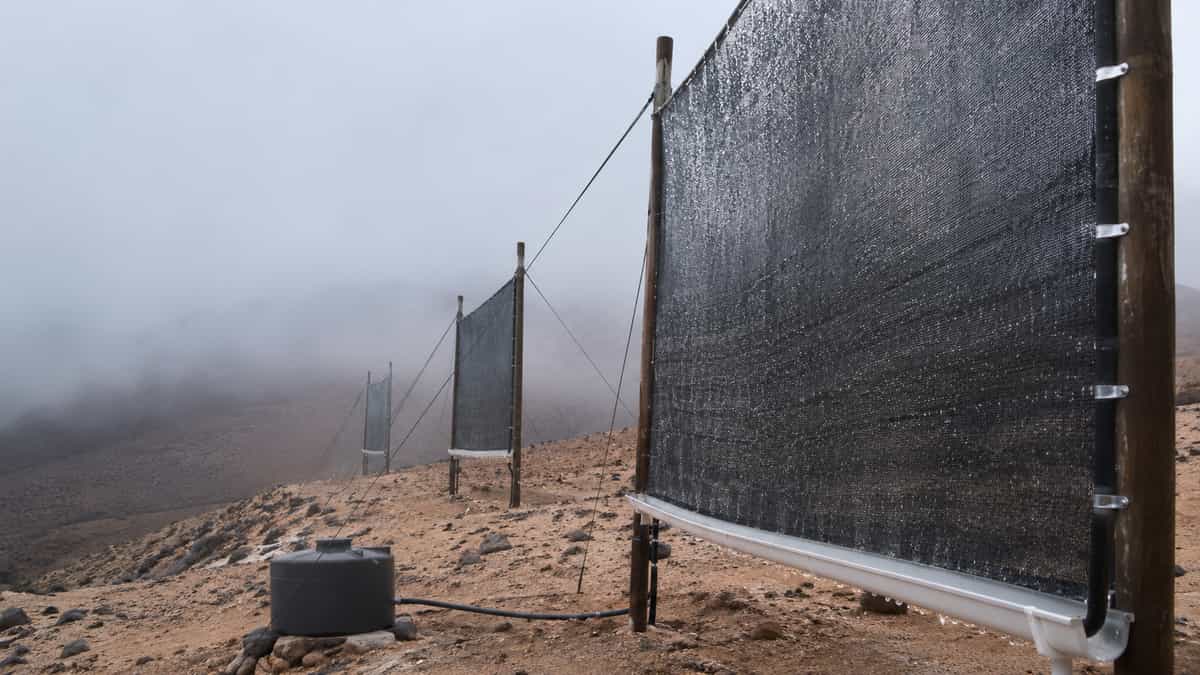
Seven water technologies target Chile’s arid north, but scale remains the test
A hydrogel device ran without electricity in Death Valley, while Chile already depends on larger systems to supply desert cities.
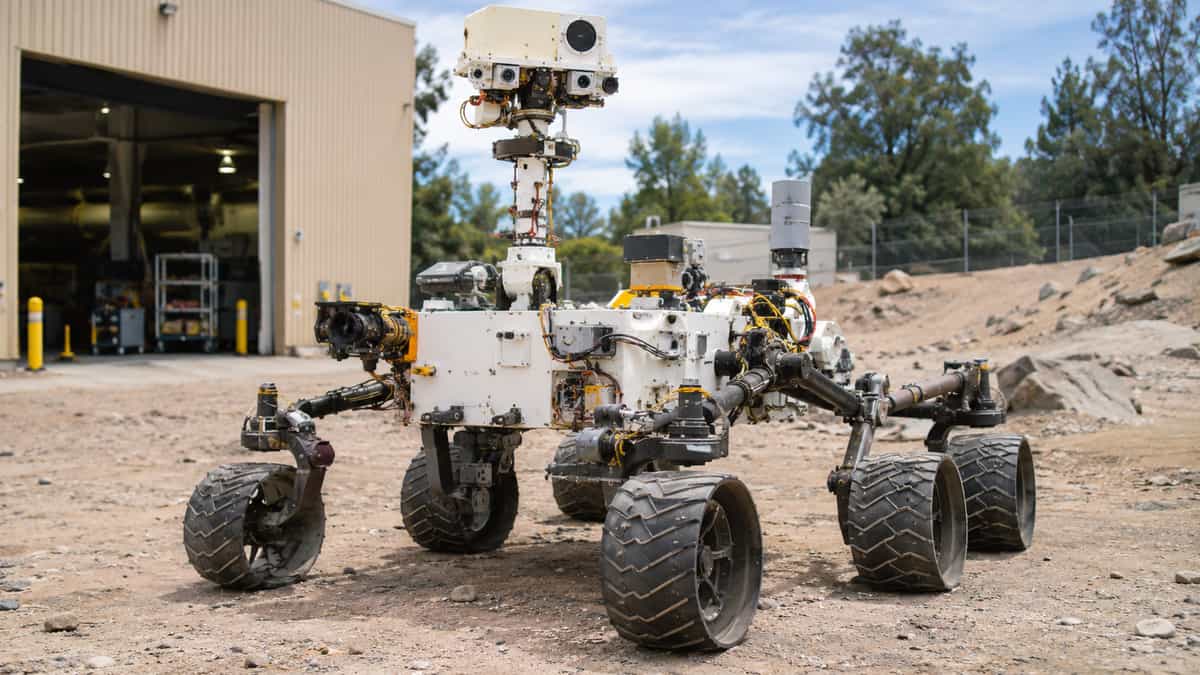
NASA’s PROMISE rover targets lunar ice where solar power cannot reach
The 18-month mission will reuse Mars-tested hardware, but lunar darkness and cold impose a different operating test.

NASA’s 12 stratospheric dust grains may point to ancient ice beyond Neptune
The particles were recovered near Earth, but the region they may represent is almost impossible to sample directly.