
Arkansas researchers print LEGO-like lunar soil blocks, but strength remains a hurdle
The interlocking pieces need no added binder, but laboratory assembly is only one test for construction on the Moon.
Why it matters: Turning lunar minerals into construction components could reduce the material future missions must carry from Earth, if the blocks can meet engineering demands.
About 1.5 MPa — peak compressive stress reached by cubic test specimens.
One-sixth — the Moon’s gravity relative to Earth’s, a difference that could affect powder handling during printing.
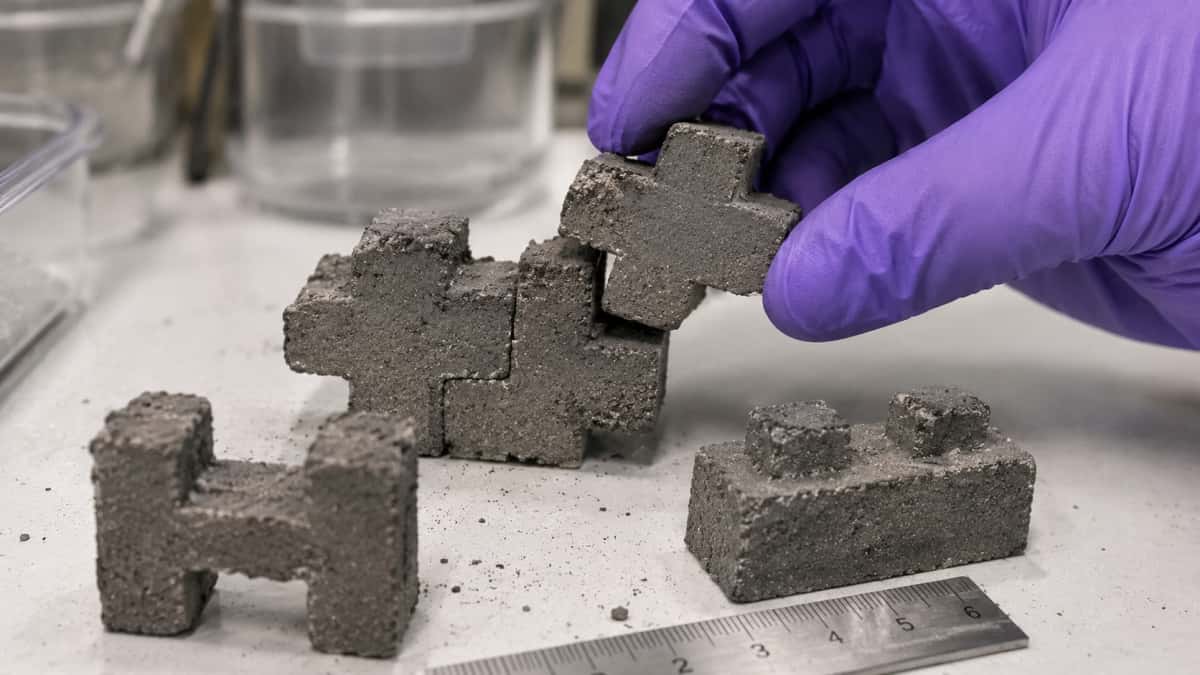
Researchers at the University of Arkansas used laser-based 3D printing to make small, interlocking blocks from a lunar soil simulant, without cement, glue or other binders. The pieces, designed to fit together in shapes including crosses and H forms, were produced in laboratory conditions; their measured strength remains a constraint on any structural use.
The work, led by Cole McCallum with a team headed by academic Wan Shou, explores whether lunar surface material could be processed into construction components in place. The experiment used Lunar Highlands Regolith Simulant (LHS-1), not material collected from the Moon.
Laser sintering joins particles without binders
The process, known as laser powder bed fusion, spreads a thin layer of mineral powder across a platform and uses a laser to heat selected areas. The heat sinters particles together. The platform then lowers, another layer is added and the cycle repeats until the designed object is formed.
Unlike some additive manufacturing methods, this approach does not add polymers, resins or other binding agents. Avoiding those inputs could matter in a lunar setting, where they would need to be transported from Earth or produced locally. The method instead relies on the mineral particles’ response to heat.
The team produced blocks a few centimetres across, with geometries intended to connect mechanically. Modular units could, in principle, be assembled into larger structures and replaced or rearranged individually. The researchers have not demonstrated that the blocks can serve as load-bearing components, or that they could form habitable or pressurised buildings.
Test results show a strength limitation
Compression tests on cubic specimens recorded a maximum stress of about 1.5 megapascals. The result shows that sintering can consolidate the simulant into pieces that retain their shape, but the material was more porous and less resistant than some structures made with binders. Voids between particles can weaken the finished component.
Improving cohesion and strength will require further work on manufacturing conditions. The blocks also need testing under sustained loads and temperature cycles relevant to lunar construction. A successful assembly in a laboratory does not establish performance under those conditions.
Lunar conditions add operational tests
The experiments took place on Earth, where gravity, pressure and temperatures differ from the lunar environment. At roughly one-sixth of Earth’s gravity, powder distribution across a printer platform may behave differently. Researchers would also need to assess operation in vacuum, temperature extremes and exposure to abrasive lunar dust, as well as the energy required to run the equipment.
Using local material could reduce the volume of construction supplies launched from Earth, but the process would still depend on machinery, power and systems for excavation and material handling. Its logistical or economic advantage over transporting prefabricated components has not been established. The next technical test is whether the blocks can be made consistently with adequate strength and energy requirements compatible with a future lunar installation.
More in Frontier Mining
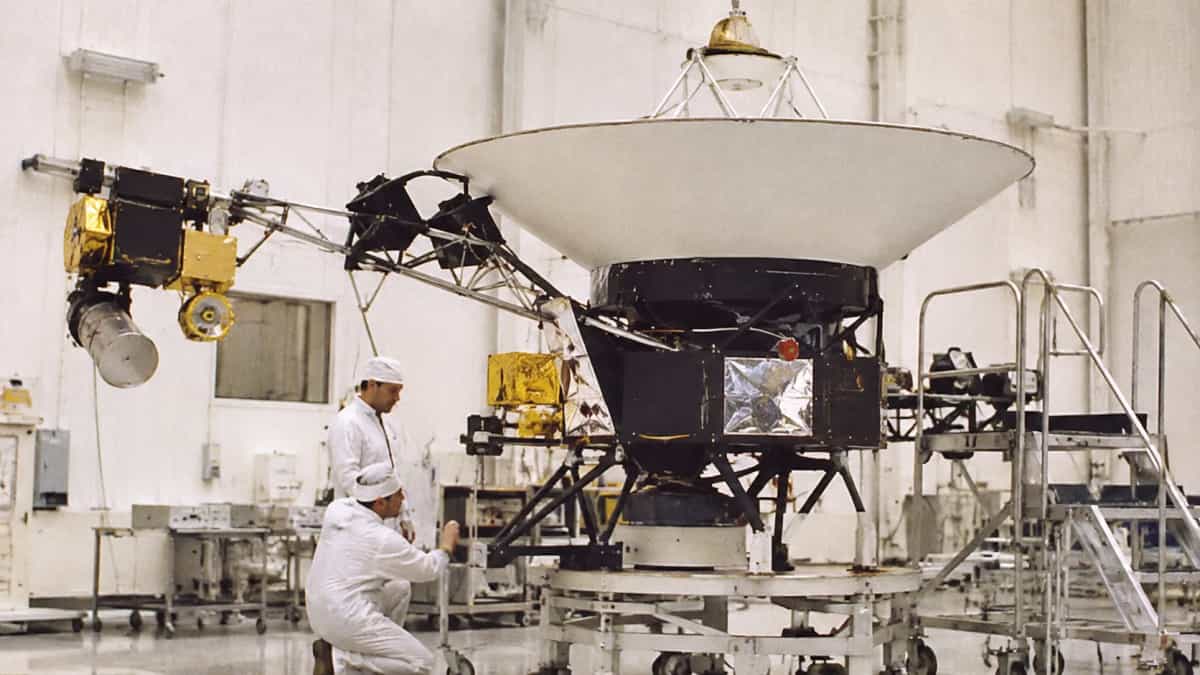
Voyager 1 reaches a one-light-day distance as NASA loses its engineering data
The probe still emits a carrier signal, but the telemetry gap complicates efforts to diagnose its latest fault.

UN gives autonomous-weapons talks two more years, but a binding treaty is uncertain
The Geneva review exposed a split between states seeking bans and military powers defending room for national rules.
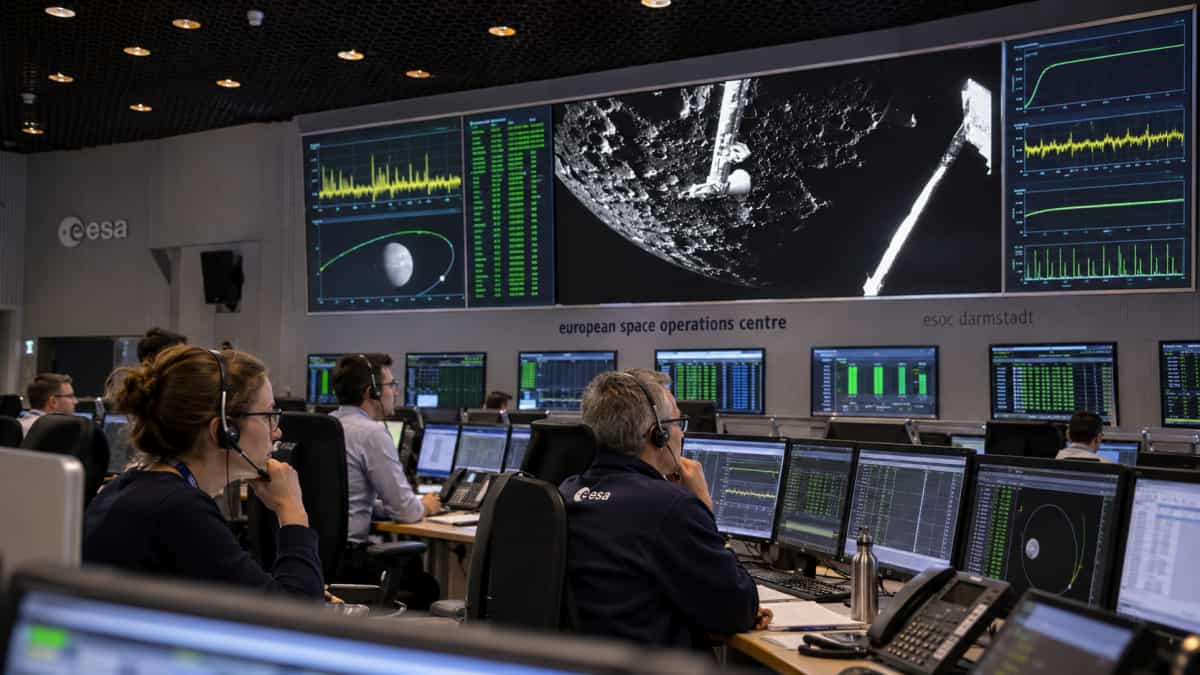
BepiColombo reaches Mercury orbit, but its iron-rich interior remains a mystery
Two orbiters will examine the planet’s surface and magnetic environment, but deployment and instrument checks remain before routine observations.