
Taiton’s Pluto drill will test a Gawler anomaly that fits two rock models
A state-backed hole will probe a dense body, but gravity and magnetic data cannot distinguish its competing origins.
geomechanics.io
Why it matters: Pluto could add a copper-gold or rare-earths exploration target in the Gawler Craton, but its mineral potential remains untested.
A$142,500 — South Australian government co-funding for the planned drilling
425 metres — maximum planned depth of the single hole
350 metres — approximate depth of the modelled dense body
900 by 500 metres — estimated dimensions of the target
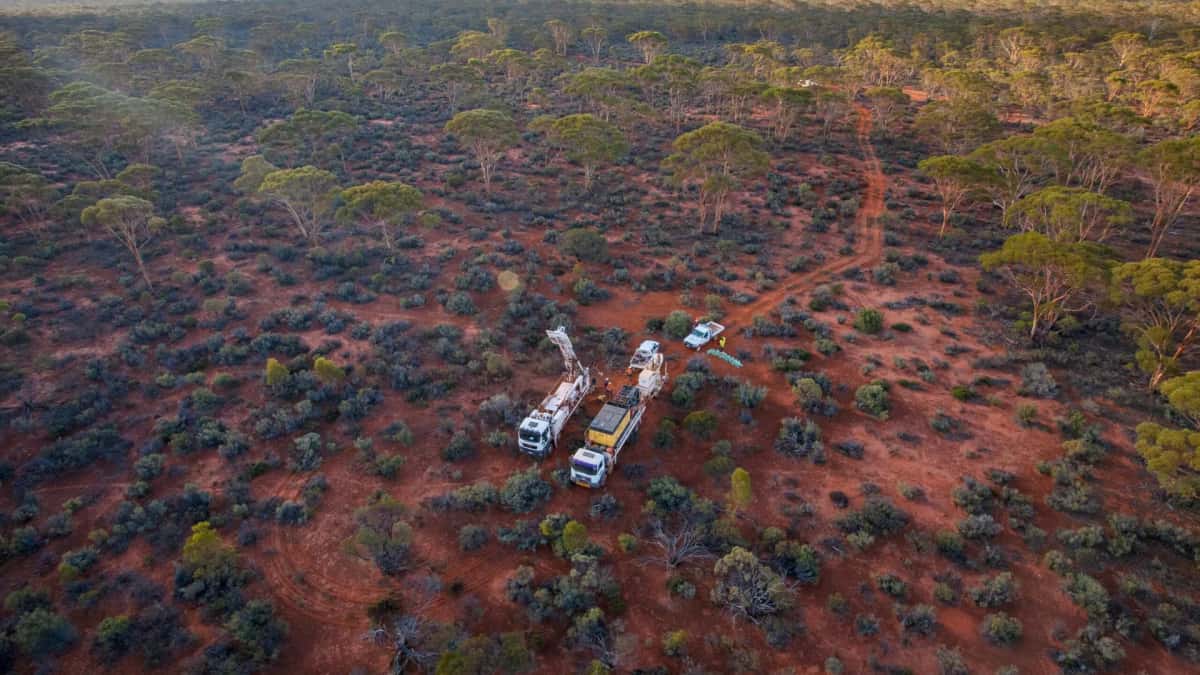
Taiton Resources plans to drill a single hole at the Pluto prospect in South Australia’s Gawler Craton after receiving A$142,500 from the state government’s PACE Minerals program. The hole, planned to reach up to 425 metres, will use reverse circulation drilling followed by a diamond tail to recover core from a geophysical target.
Pluto is part of Taiton’s Highway project, about 590 kilometres north of Adelaide. The proposed hole is the first direct test of the rock behind the prospect’s gravity and magnetic anomalies. Those signals have produced two competing geological interpretations: a hematite-rich alteration system associated with iron oxide copper-gold mineralisation, or a carbonatite intrusion that could host rare earths.
Pluto’s gravity and magnetic signatures overlap
Taiton’s detailed surveys identified a 1.5 mGal gravity anomaly coincident with a magnetic anomaly. The company’s three-dimensional modelling places the dense body at about 350 metres below surface and estimates its dimensions at 900 by 500 metres. Its modelled density is greater than 2.85 g/cm³.
The geophysical data cannot determine which geological model is correct. The planned diamond tail is intended to provide core for direct examination of the rock and its alteration; until drilling takes place, neither interpretation is confirmed.
A previous hole at Yogi, another Highway prospect, underscores that uncertainty. Taiton reported in June that drilling there intersected dense basalt, which could explain Yogi’s gravity anomaly. The alteration observed at Yogi did not support the iron oxide copper-gold model. Yogi and Pluto are separate targets, but the result shows that a gravity response alone does not establish a body’s composition or mineral potential.
Rare-earths potential meets a concentrated supply chain
The carbonatite interpretation would put Pluto in a commodity context shaped by demand for rare earths used in permanent magnets. Neodymium and praseodymium are used in electric vehicle motors and wind turbines, while dysprosium and terbium help magnets operate at higher temperatures.
The International Energy Agency projects that, under current policies, demand for magnet rare earths outside China will rise 50% by 2035, with electric vehicles the main source of growth. The agency says China accounts for about 60% of mined supply in 2025 and 85% of refining. In its base case, global mine production rises 30% to 104,000 tonnes of magnetic rare-earth content by 2035, while China retains 73% of refining.
Australia has included light and heavy rare earths in the initial scope of its Critical Minerals Strategic Reserve. Government support mechanisms for eligible projects can include offtake agreements and price bands. For Pluto, however, the next concrete step is the planned drill test; the competing geological models remain unresolved until the target is examined directly.
More in Discoveries
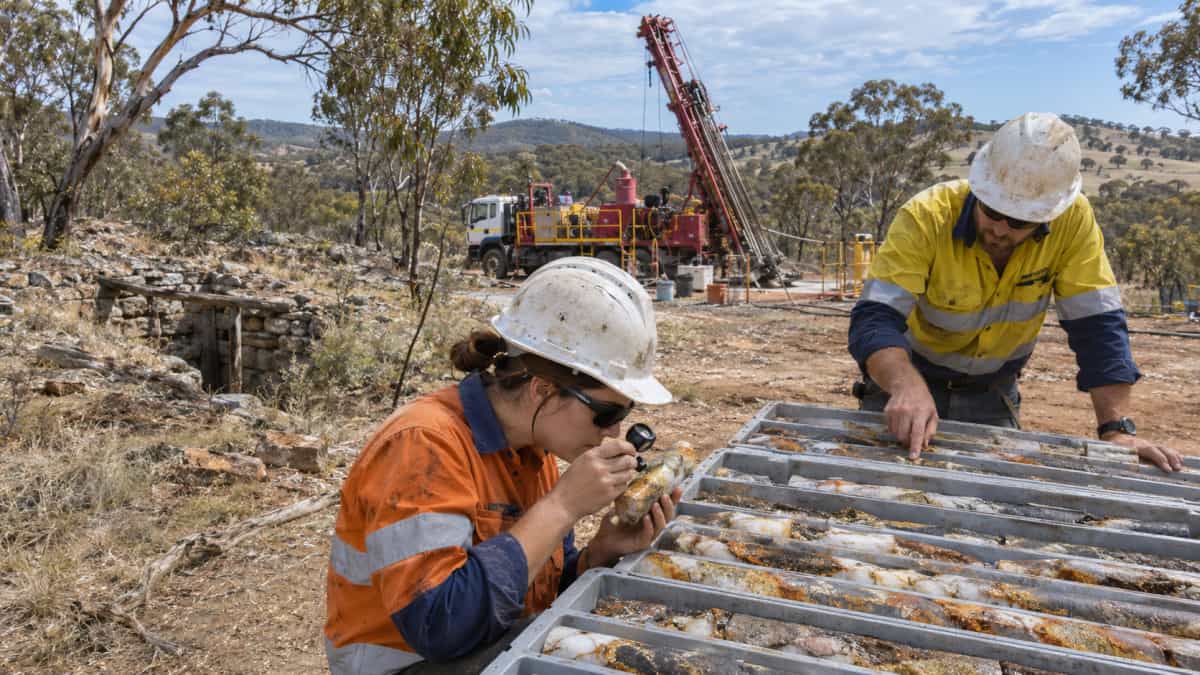
Argent Minerals finds gold beyond Trunkey Creek workings, but continuity is unproven
The first campaign has tested only the northern end of a 4.7-kilometre target, leaving the vein’s deeper geometry unresolved.
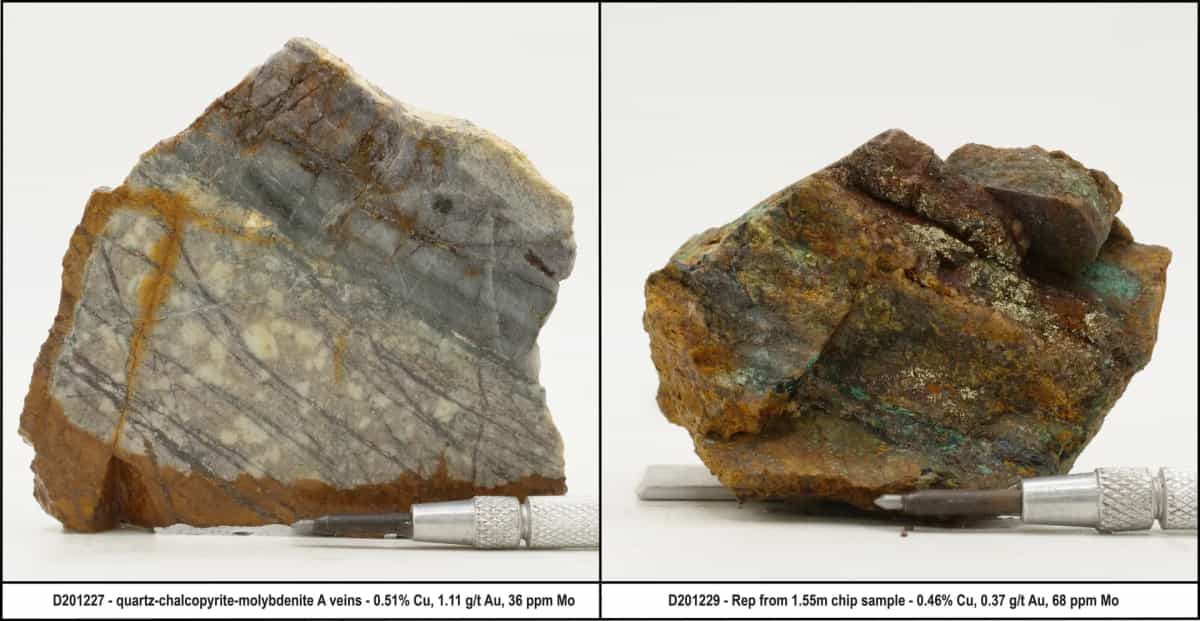
Brixton extends Catalyst at Thorn, while Sentinel’s porphyry footprint remains uncertain
Catalyst step-outs and a first test at a target 37 km from Camp Creek put two different exploration stages in the same campaign.
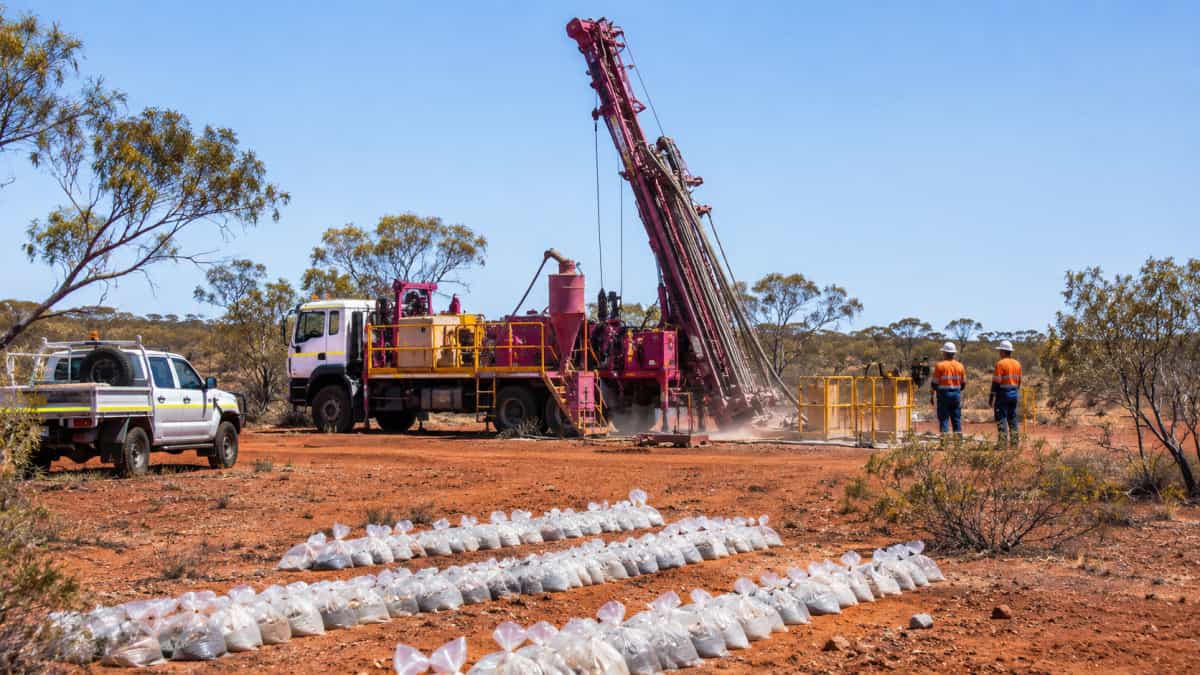
Golden Dragon finds high-grade fresh-rock gold at Coodardy, but geometry remains unclear
The northernmost hole supports a northeast-trending structure, while earlier deep hits have yet to be linked into a continuous zone.