
Argent Minerals finds gold beyond Trunkey Creek workings, but continuity is unproven
The first campaign has tested only the northern end of a 4.7-kilometre target, leaving the vein’s deeper geometry unresolved.
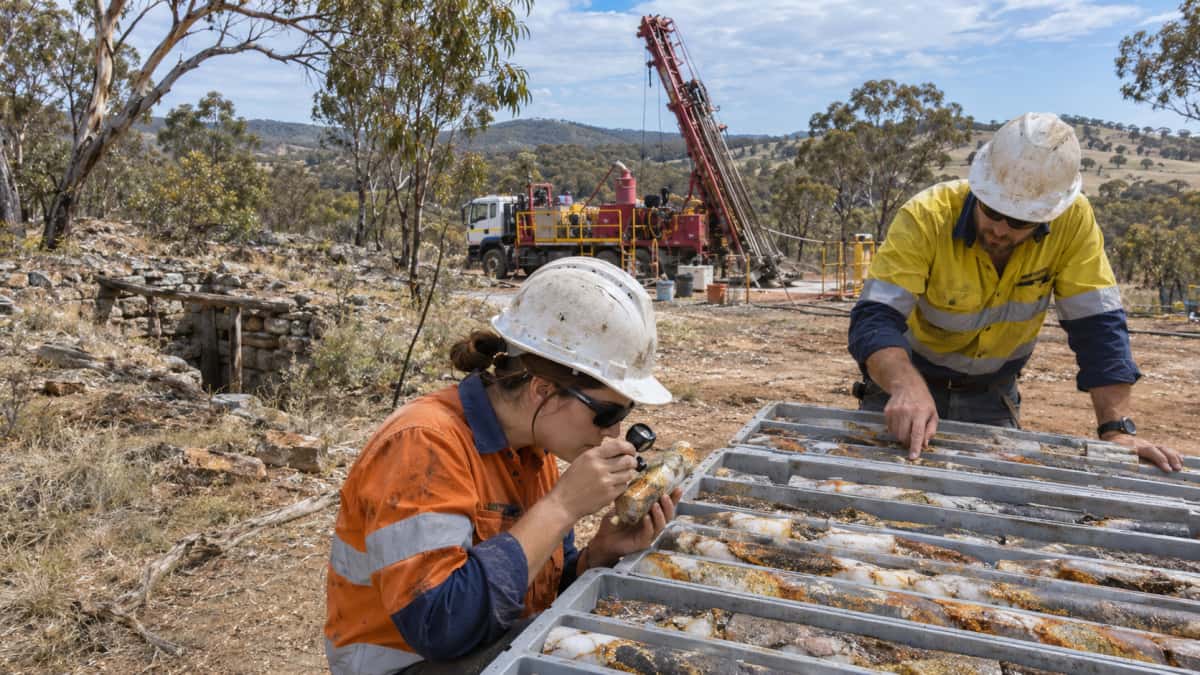
Why it matters: Establishing whether high-grade gold extends beyond Wilson’s Reef’s old workings will determine whether Argent has a coherent vein target or isolated mineralised shoots.
0.3 metres at 8.32 g/t gold — ATDD005 intercept from 173.7 metres downhole
8,687 metres — total drilling authorised across the program
4.7 kilometres — interpreted surface extent of the exploration corridor
Six holes — completed by November 25, concentrated at the corridor’s northern end
Argent Minerals has intersected gold outside the interpreted boundary of historic underground workings at Wilson’s Reef, part of its Trunkey Creek project in central-western New South Wales. The diamond hole ATDD005 returned 0.3 metres at 8.32 g/t gold from 173.7 metres downhole, the company reported on November 25, 2026.
It is the second hole to identify gold mineralisation beyond the old workings. The result adds to evidence that the quartz-vein system may extend beyond areas mined historically, but the narrow interval does not establish the true thickness of the vein or demonstrate continuity. Argent said the reported length is measured down the hole and may not represent true width.
Two holes hit gold beyond the old workings
ATDD005 follows ATDD002, which returned two gold intervals of 0.4 metres at 15.84 g/t and 0.4 metres at 6.35 g/t beneath a 2.4-metre underground void interpreted as part of the old mine workings. The company has not yet established how these intersections relate to the main Wilson’s Reef structure.
Results have been uneven. Holes ATDD003 and ATDD004, each drilled to about 300 metres, returned no significant gold intersections, and the campaign’s first hole also produced no material gold result. The mixed outcomes leave Argent needing a more detailed structural interpretation to identify where mineralised shoots occur.
The target is an interpreted corridor about 4.7 kilometres long and up to 500 metres wide, not a continuous deposit or a defined mineral resource. Argent has also reported selective surface rock samples grading as high as 1,930 g/t gold. Such samples can indicate locally strong mineralisation, but they cannot establish representative grades across the corridor.
Deeper drilling is planned across the corridor
The program began in September and its first phase comprises about 4,487 metres in 20 diamond holes. By November 25, six holes had been completed, mainly within the first 500 metres at the corridor’s northern end. Argent’s permits allow a total of 8,687 metres, with a second phase planned after the current work and exploration expected to continue into 2027.
The next holes are intended to test structures at vertical depths near or greater than 200 metres, where the company interprets that the main Wilson’s Reef vein may continue beneath the historic workings. The historical district was mined from 1851 to 1908, and records describe workings reaching about 187 metres deep. Mining reportedly ended amid difficulties controlling groundwater, but the historical records have not been verified to modern reporting standards.
Argent’s exploration is backed in part by a financing announced on November 19. The company secured commitments for A$1.55 million before costs through a placement of about 103.3 million shares at A$0.015 each. Directors also committed A$30,000, subject to shareholder approval. The funds are allocated to drilling, metallurgical work, resource updates and exploration at Kempfield, Trunkey Creek and other regional targets.
Trunkey Creek is wholly owned by Argent and covers an exploration licence of 59.7 square kilometres, about 38 kilometres southwest of Bathurst. The project is roughly six kilometres from the company’s Kempfield polymetallic project by straight-line distance. Any shared-development concept would depend on defining a gold resource and testing whether the projects’ different mineral types could be processed compatibly. For now, the next drilling phase must determine whether Wilson’s Reef continues below the old workings.
More in Discoveries
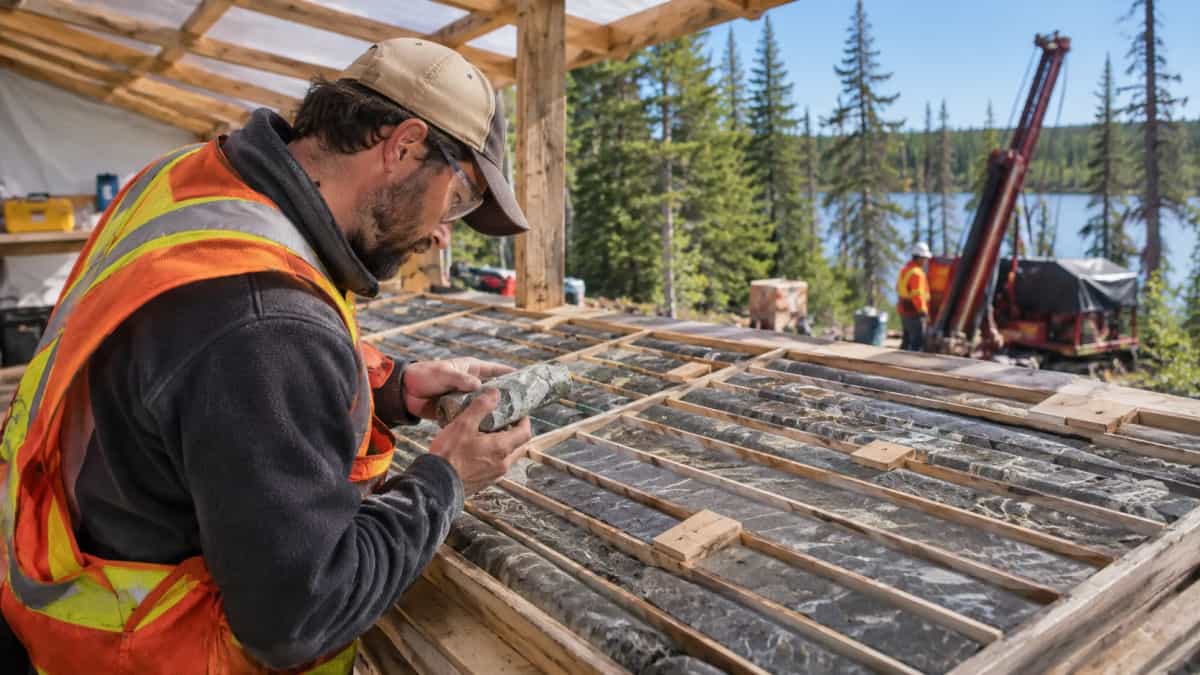
Trident tests whether Contact Lake gold extends below Saskatchewan mine
Cameco mined Contact Lake from 1994 to 1998; Trident is now testing ground beneath the old workings.
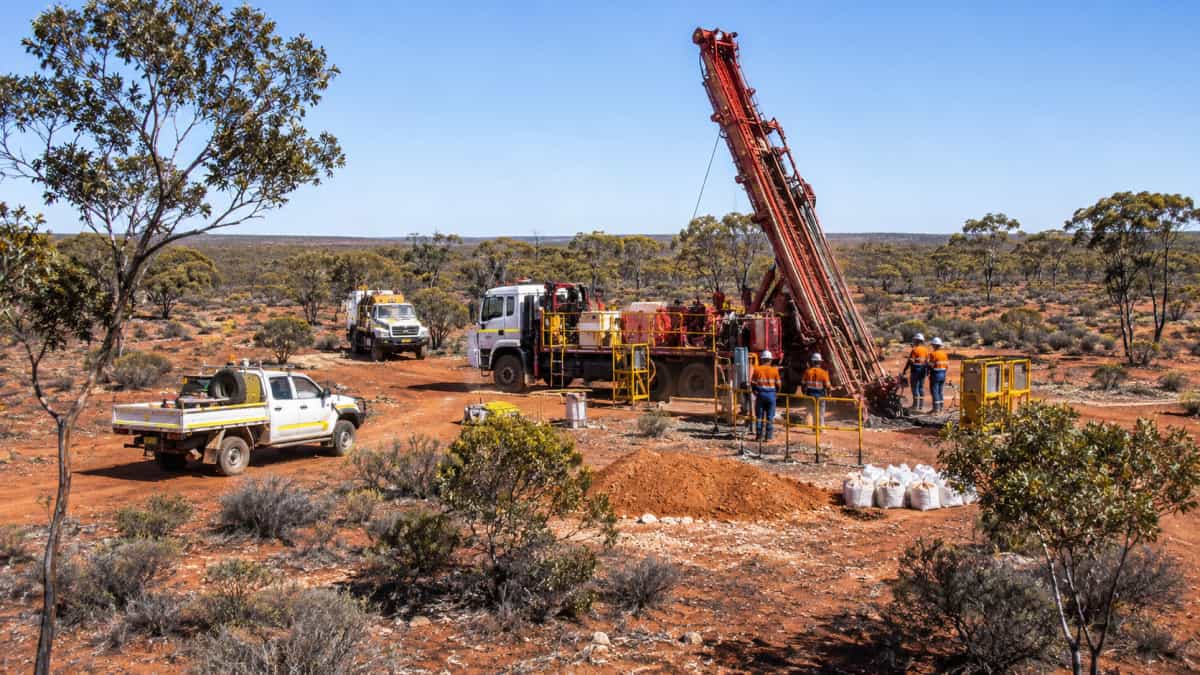
Kalgoorlie Gold finds volcanic rocks at Pinjin, but gold assays are pending
Lighthorse drilling targeted extensions beneath earlier high-grade hits, while Rebecca Sequence was tested for the first time beneath cover.
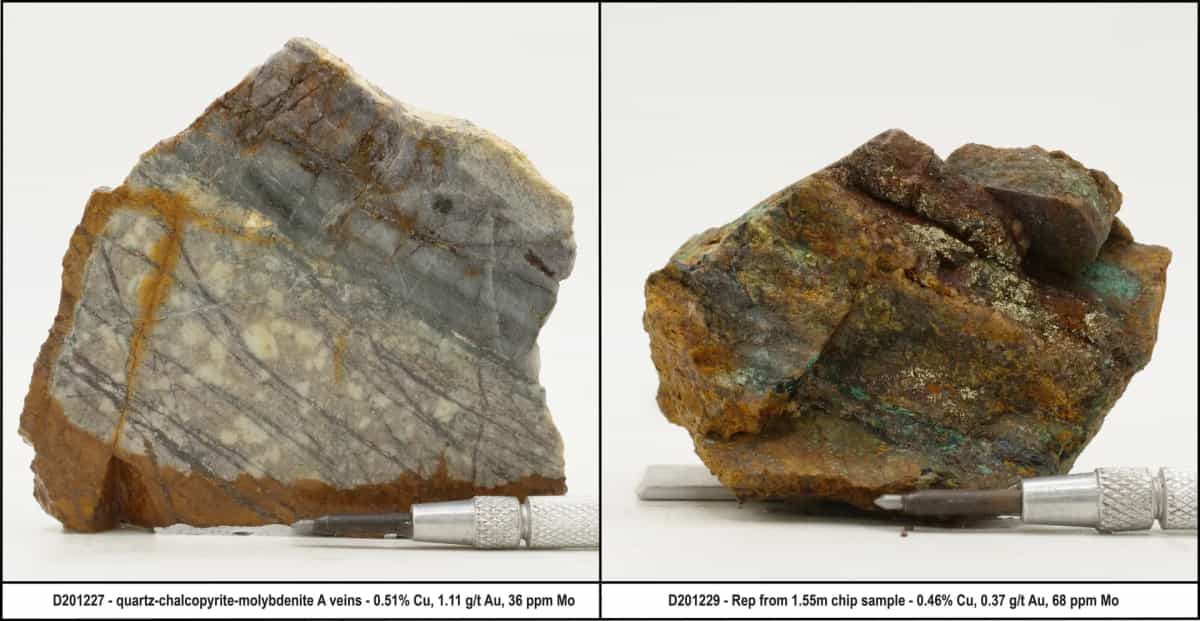
Brixton extends Catalyst at Thorn, while Sentinel’s porphyry footprint remains uncertain
Catalyst step-outs and a first test at a target 37 km from Camp Creek put two different exploration stages in the same campaign.