
Kalgoorlie Gold finds volcanic rocks at Pinjin, but gold assays are pending
Lighthorse drilling targeted extensions beneath earlier high-grade hits, while Rebecca Sequence was tested for the first time beneath cover.
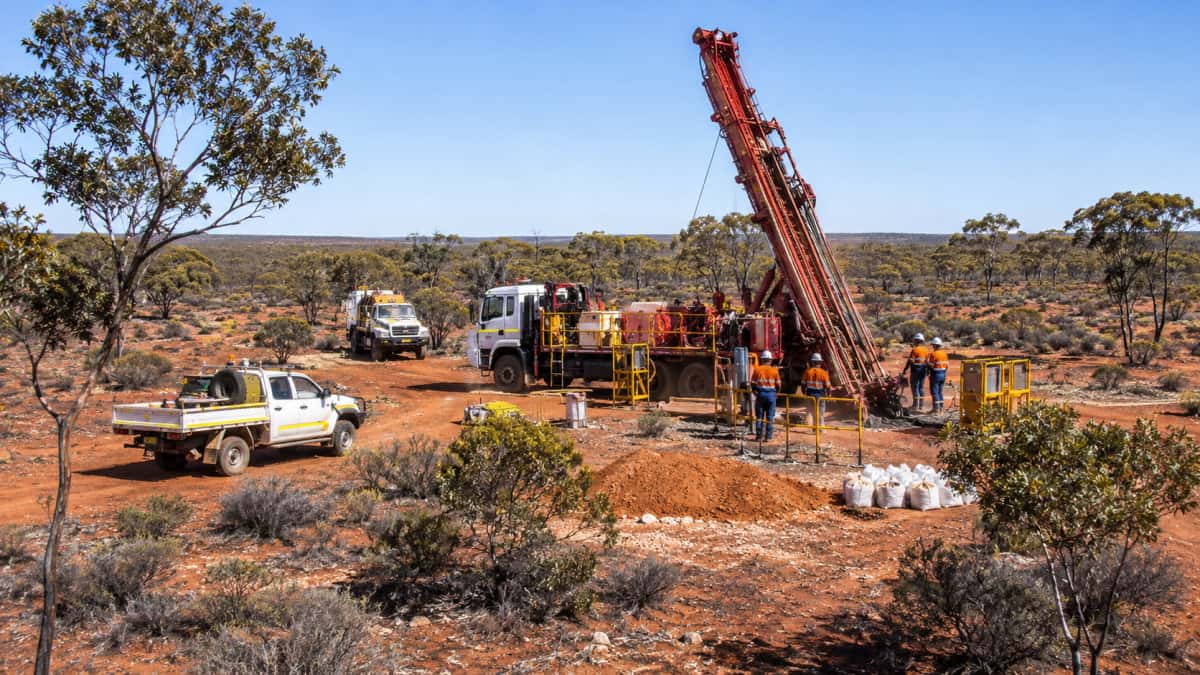
Why it matters: The revised geology at Rebecca Sequence could point exploration toward covered ground that earlier mapping classified as largely granite, but gold assays are still needed to test its significance.
9,718 metres — total drilling completed across both targets
125 holes — 20 reverse-circulation holes at Lighthorse and 105 aircore holes at Rebecca Sequence
76,400 ounces — inferred gold resource at Pinjin’s Kirgella Gift and Providence deposits
March–April 2027 — window booked for the next drilling campaign
Kalgoorlie Gold Mining completed 125 holes totalling 9,718 metres at its Pinjin gold project in Western Australia, about 140 kilometres northeast of Kalgoorlie-Boulder. Drilling at Rebecca Sequence identified volcanic rocks beneath surface cover in an area previously interpreted as predominantly granite. Assay results from both Rebecca Sequence and Lighthorse are pending, the company said.
Lighthorse tests extensions below earlier gold hits
The October–November campaign included 20 reverse-circulation holes for 4,860 metres at Lighthorse, where drilling was designed to test extensions of previously identified gold-bearing structures. The company reported hydrothermal alteration, veining, structural deformation and sulphide mineralisation below earlier high-grade intersections. These observations are geological indicators, not confirmation that the new holes contain significant gold; laboratory assays will be needed to establish that.
Lighthorse mineralisation has been recognised over about 1.6 kilometres. The current program tested a model in which mineralised structures dip steeply east. Earlier results, reported in September from 19 holes totalling 3,194 metres, included 19.70 g/t and 16.50 g/t gold, the prospect’s highest individual grades reported at that time. Those results came from previous drilling, not the newly completed holes.
Rebecca Sequence revises the picture under cover
At Rebecca Sequence, about four kilometres east of Lighthorse, 105 aircore holes covered 4,858 metres. The holes averaged about 46 metres deep and were laid out on a nominal 400-by-100-metre grid to make an initial systematic assessment of the subsurface.
Drilling encountered deformed intermediate and mafic volcanic rocks with schistosity, alongside felsic intrusions, granite and porphyry. The area lies within the Laverton tectonic zone, a major regional structure associated with gold deposits in Western Australia. The volcanic sequence changes the geological framework available for selecting exploration targets, but identifying greenstone rocks alone does not establish gold mineralisation.
Aircore drilling is used to sample beneath transported sediment cover, where surface observations can provide limited insight into underlying geology. Results from the laboratory will help determine whether any parts of the target warrant deeper reverse-circulation or diamond drilling.
Assays will shape the next campaign
Pinjin’s current JORC 2012 inferred resources at Kirgella Gift and Providence total 2.34 million tonnes at 1.0 g/t gold, containing 76,400 ounces at a 0.50 g/t cut-off. The newly completed Lighthorse and Rebecca Sequence holes are not included in those estimates. Kalgoorlie Gold also reported about 214,300 ounces of inferred resources across its assets.
The company has secured drilling equipment for work planned in March and April 2027. At Lighthorse, the next stage will depend on whether assays support continuity of the structures beneath earlier intersections; at Rebecca Sequence, results will determine whether the newly recognised rocks warrant deeper testing. The design of those programs remains subject to the pending laboratory results.
More in Discoveries
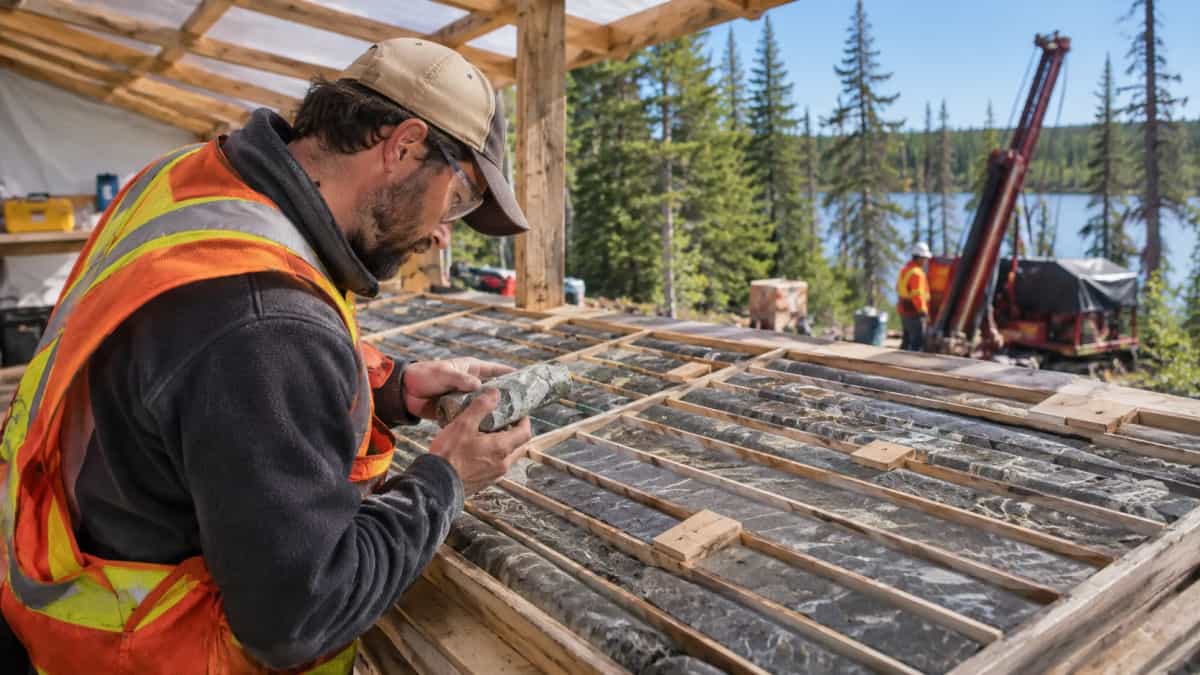
Trident tests whether Contact Lake gold extends below Saskatchewan mine
Cameco mined Contact Lake from 1994 to 1998; Trident is now testing ground beneath the old workings.
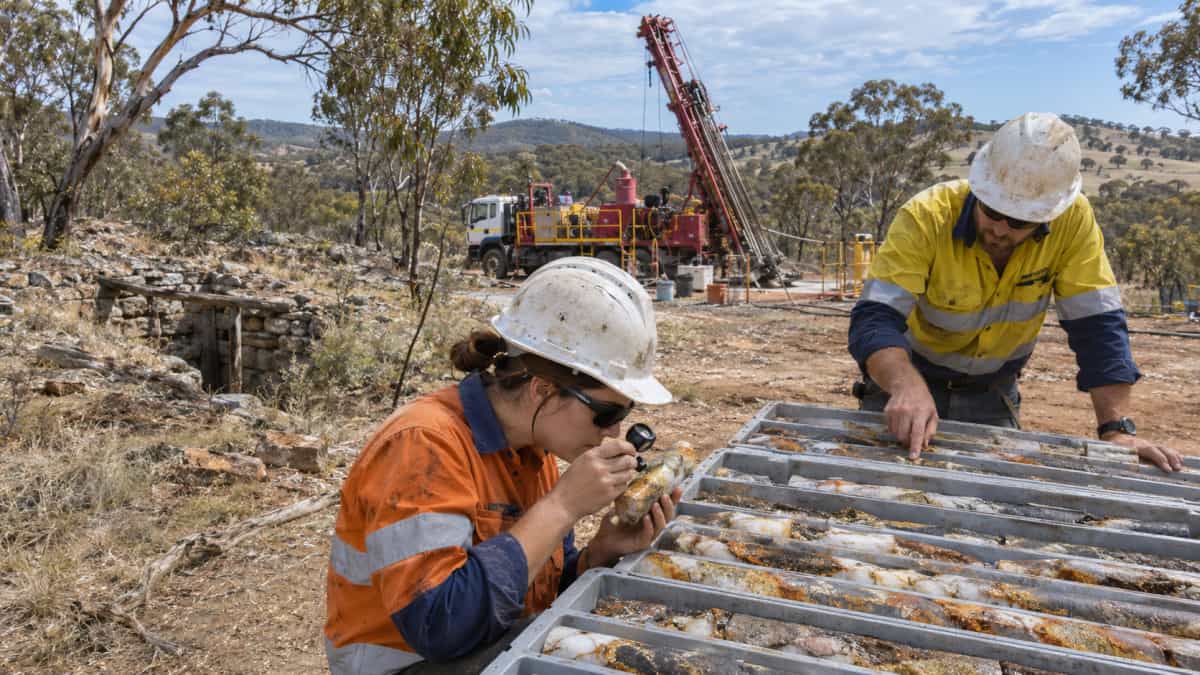
Argent Minerals finds gold beyond Trunkey Creek workings, but continuity is unproven
The first campaign has tested only the northern end of a 4.7-kilometre target, leaving the vein’s deeper geometry unresolved.
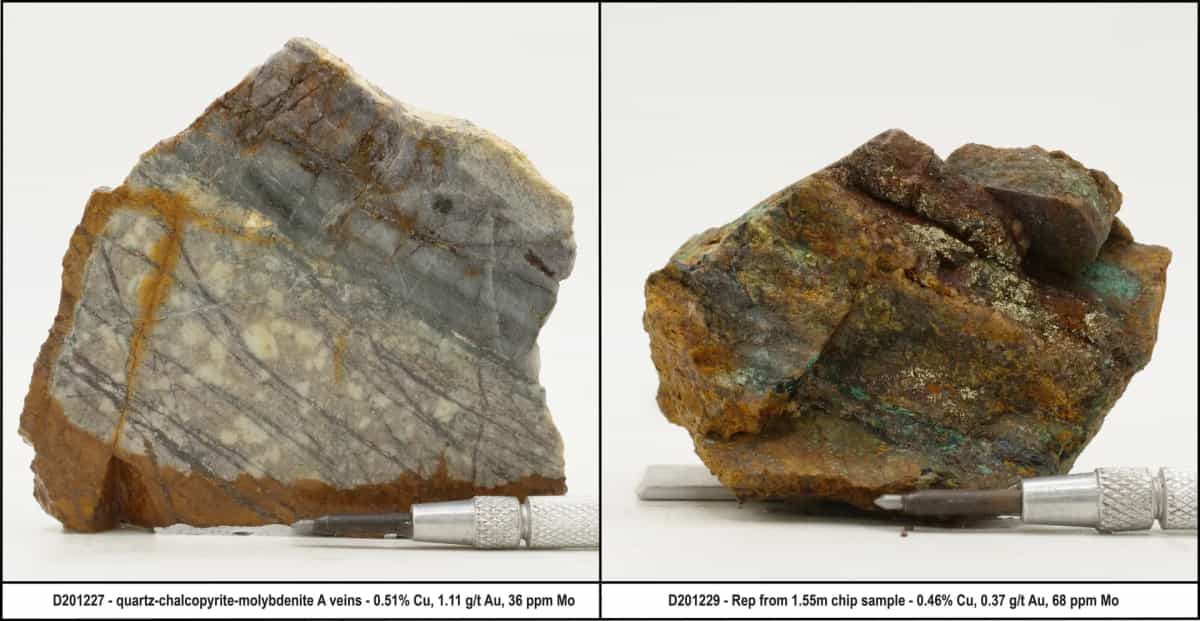
Brixton extends Catalyst at Thorn, while Sentinel’s porphyry footprint remains uncertain
Catalyst step-outs and a first test at a target 37 km from Camp Creek put two different exploration stages in the same campaign.