
Golden Dragon finds high-grade fresh-rock gold at Coodardy, but geometry remains unclear
The northernmost hole supports a northeast-trending structure, while earlier deep hits have yet to be linked into a continuous zone.
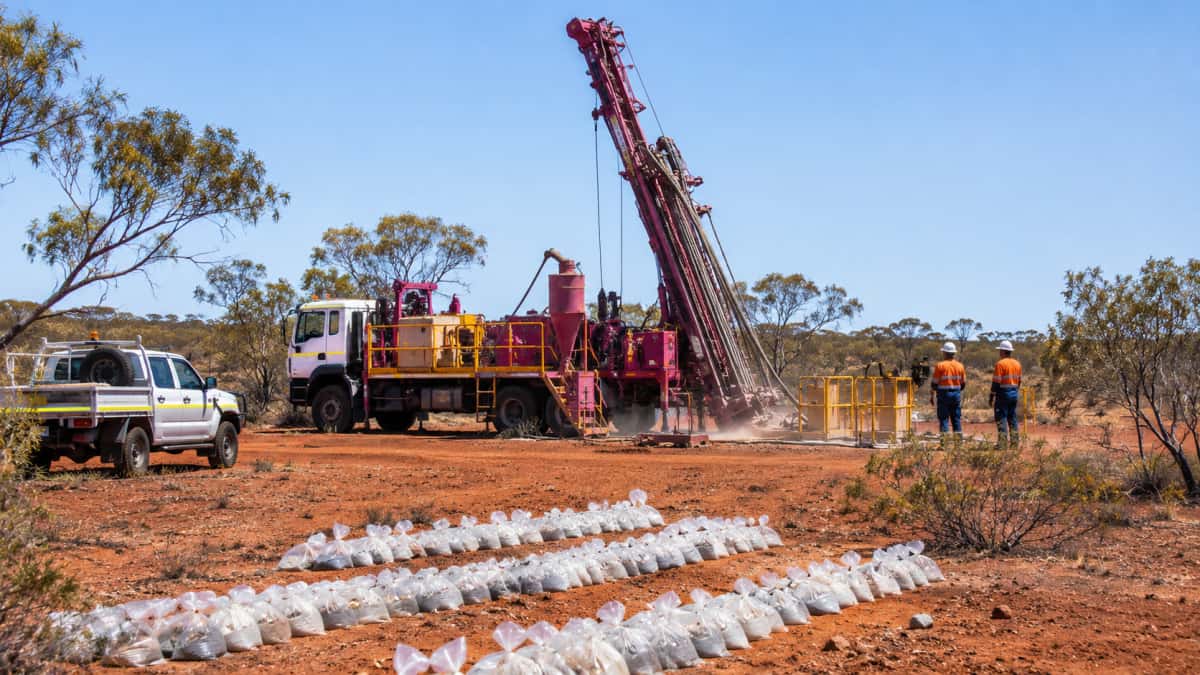
Why it matters: Gold in fresh rock extends Coodardy’s exploration target below the weathered near-surface zone, but continuity and true widths remain to be established.
4 metres at 7.84 g/t gold — from 70 metres in hole 26CD051, including 1 metre at 27 g/t.
About 500 metres — the reported longitudinal extent of mineralisation, which remains open in several directions.
17 holes and 1,871 metres — the reverse-circulation drilling completed in the latest campaign.
Golden Dragon Mining has reported a high-grade gold intersection in fresh rock at its Coodardy prospect, part of the Cue project in Western Australia’s Murchison region. Reverse-circulation hole 26CD051 returned 4 metres at 7.84 g/t gold from 70 metres, including 1 metre at 27 g/t from 72 metres. The company described it as the deepest high-grade intersection recorded so far in fresh rock at Coodardy.
The result comes from a 17-hole, 1,871-metre campaign designed to test known structures and assess gold grades across the prospect. Hole 26CD051 was drilled on the campaign’s northernmost line. Golden Dragon said its position and assay results support an interpretation of a northeast-trending high-grade structure.
High-grade intervals are unevenly distributed
Other results from the campaign include 4 metres at 3.98 g/t from 38 metres in hole 26CD038, including 1 metre at 9.79 g/t from 39 metres. Hole 26CD045 returned 6 metres at 1.39 g/t from 46 metres; 26CD049 returned 7 metres at 0.81 g/t from 57 metres; and 26CD040 returned 12 metres at 0.67 g/t from 47 metres. Hole 26CD051 also recorded 4 metres at 0.59 g/t from 80 metres.
The grade distribution within the headline interval is strongly weighted: the 1-metre section at 27 g/t accounts for about 86% of its accumulated gram-metres. That concentration underlines the need for closer-spaced drilling to understand grade variability and the geometry of the mineralisation. Reported lengths are down-hole intervals and may not represent true widths.
Earlier Coodardy results provide additional high-grade intersections, including 8 metres at 10.82 g/t from 25 metres in hole 25CD011, with 4 metres at 21.37 g/t; and 11 metres at 6.42 g/t from 45 metres in hole 26CD014, including 1 metre at 59.20 g/t. Another previous result was 6 metres at 5.02 g/t from 28 metres, including 1 metre at 28.10 g/t. The company said the relative positions of these intervals could help test whether high-grade mineralisation continues preferentially at depth. It remains unclear whether the intersections belong to one continuous structure or represent separate concentrations within a broader system.
Fresh rock adds a deeper exploration target
Much of the earlier Coodardy mineralisation was near surface, within oxidised and weathered rock. The new fresh-rock intersection extends the exploration model to deeper ground, where mineralogy and processing characteristics may differ. Golden Dragon noted that fresh-rock material could require different treatment from oxidised material, including in grinding and energy requirements; any associated sulphides would also need metallurgical investigation.
The company reports mineralisation over about 500 metres of strike, open to the north, south and northeast, with potential to extend at depth. Separately, air-core drilling started in October to test geochemical anomalies extending more than three kilometres around Coodardy and Behring Bore. Those anomalies are exploration targets, not confirmed mineralisation across their full length.
Golden Dragon plans another reverse-circulation campaign in early December 2026 to test extensions of the higher-grade structures, particularly below recent intersections. The next drilling is expected to help assess their geometry and continuity; the current results do not establish a mineral resource, reserves or a commercial production case.
More in Discoveries
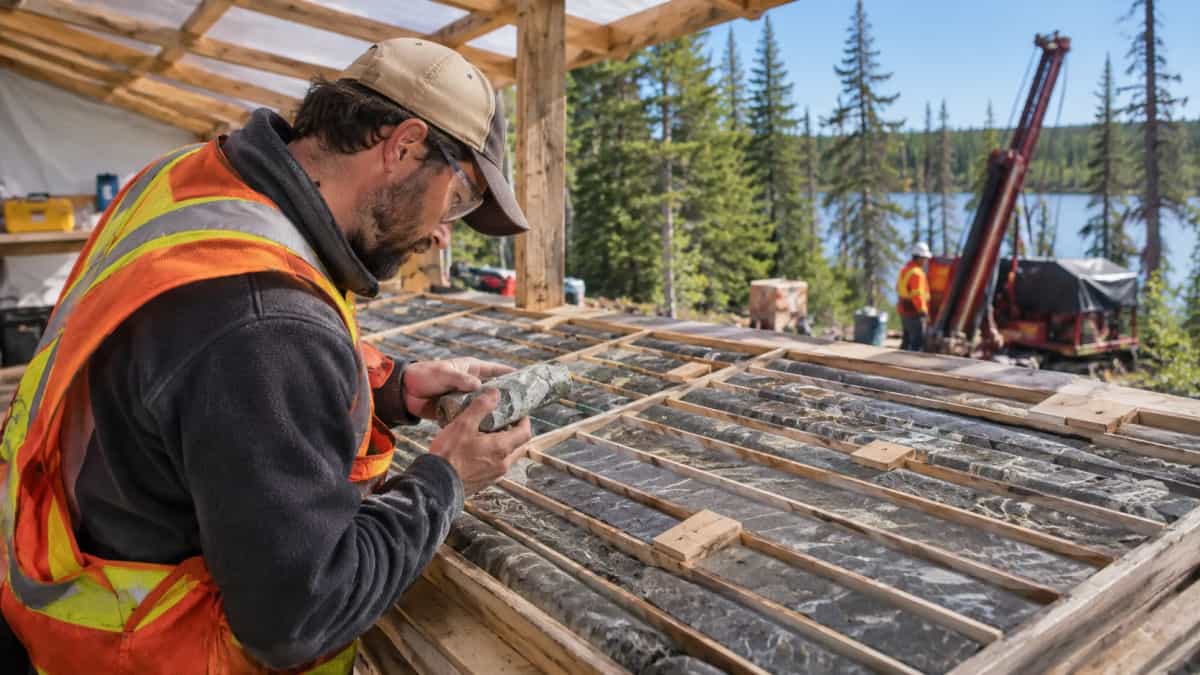
Trident tests whether Contact Lake gold extends below Saskatchewan mine
Cameco mined Contact Lake from 1994 to 1998; Trident is now testing ground beneath the old workings.
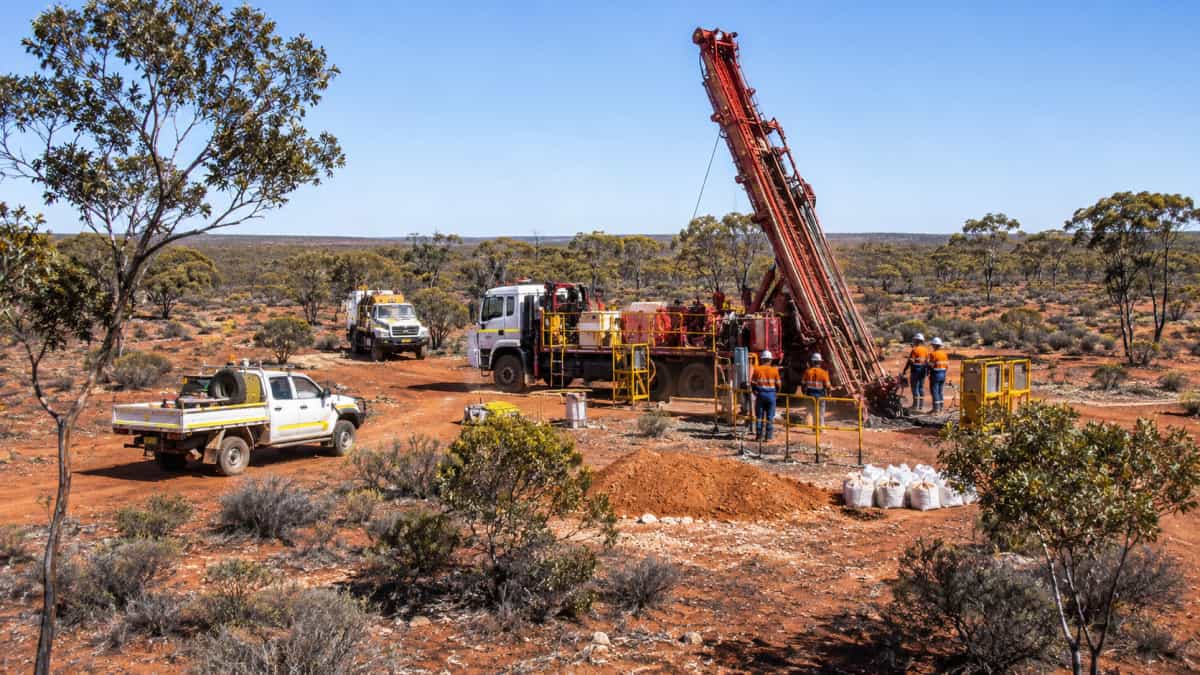
Kalgoorlie Gold finds volcanic rocks at Pinjin, but gold assays are pending
Lighthorse drilling targeted extensions beneath earlier high-grade hits, while Rebecca Sequence was tested for the first time beneath cover.
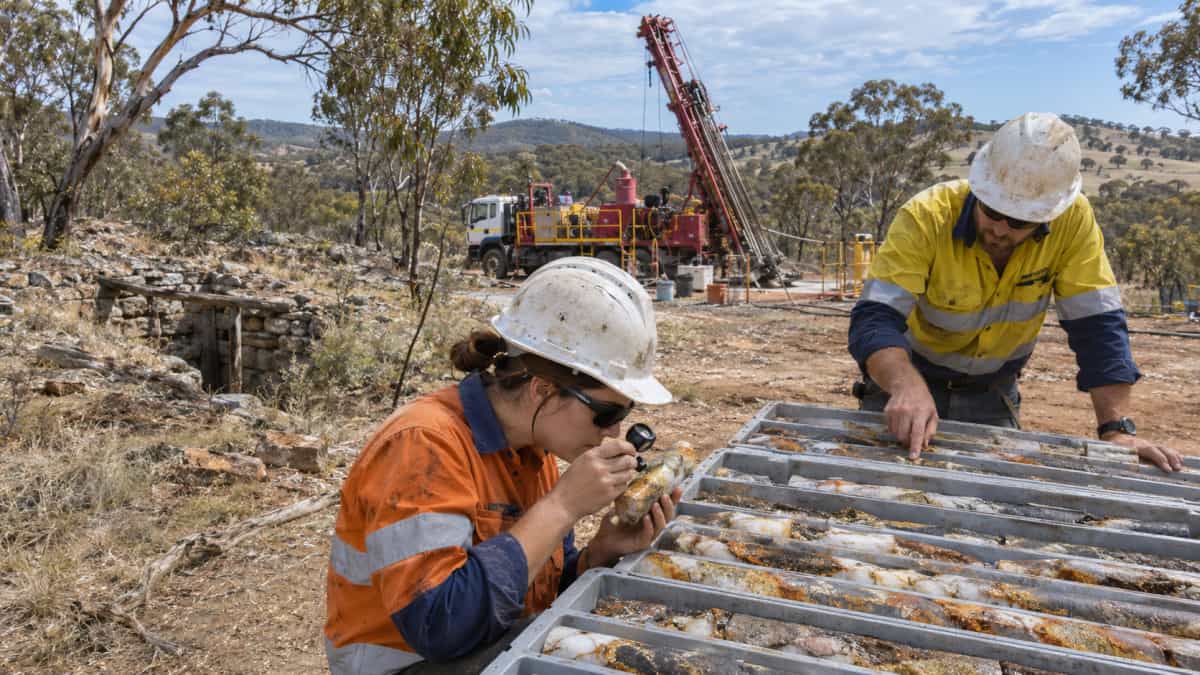
Argent Minerals finds gold beyond Trunkey Creek workings, but continuity is unproven
The first campaign has tested only the northern end of a 4.7-kilometre target, leaving the vein’s deeper geometry unresolved.