
QMines finds copper-gold mineralisation beneath Mt Chalmers, but old workings blur the width
Drilling from a floating platform reached ground beneath the historic pit, where voids and backfill complicate what the recovered core represents.
Why it matters: The assays could help refine Mt Chalmers’ geological model, but historic workings make it difficult to establish how much intact mineralisation remains.
46.8 metres — 2.29% copper and 1.03 g/t gold from 42.2 metres in hole 26MCDD051.
12 metres — 4.63% copper and 2.41 g/t gold within the main interval.
11.3 million tonnes — Mt Chalmers’ current JORC mineral resource at 0.75% copper and 0.42 g/t gold.
9.6 million tonnes — declared proven and probable reserves at 0.65% copper and 0.48 g/t gold.
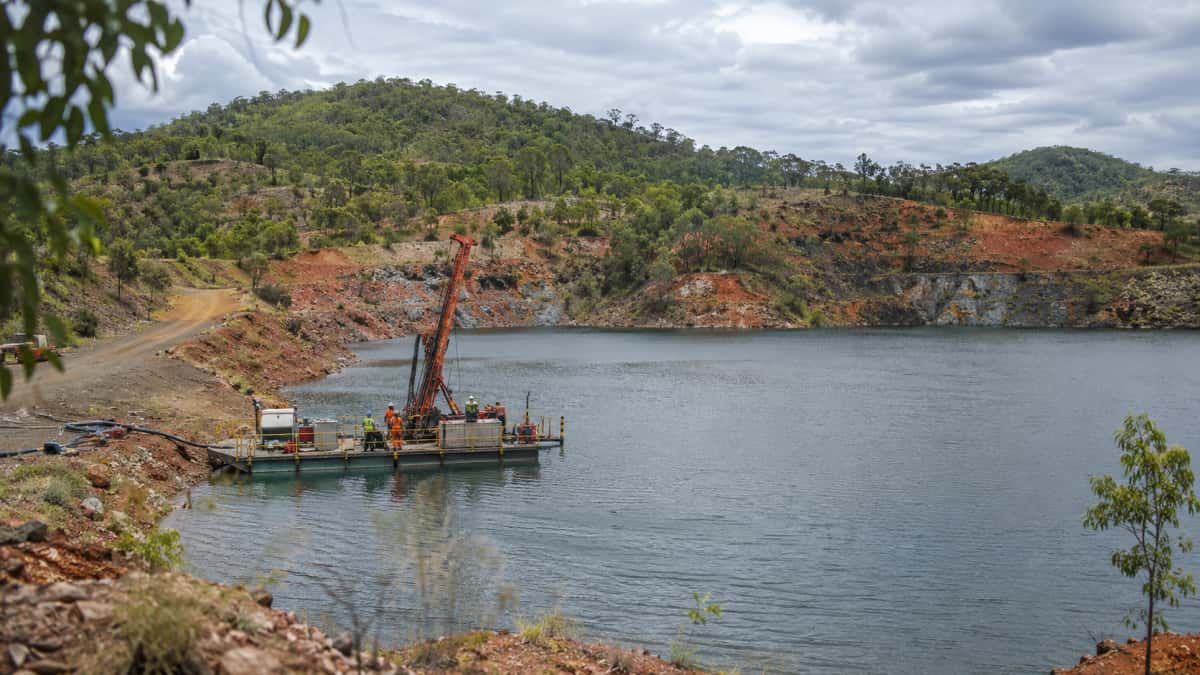
QMines reported a 46.8-metre interval grading 2.29% copper and 1.03 g/t gold from 42.2 metres in diamond hole 26MCDD051 at its Mt Chalmers copper-gold project in Queensland, Australia. The hole was drilled from a floating platform on the lake occupying part of the historic open pit.
The company said the result includes 3.20% copper equivalent. The reported interval crosses old underground workings and contains zones of core loss and backfill, so its full length should not be read as continuous, intact mineralisation. The release does not state true widths. QMines will need to determine the original position of recovered material before interpreting the interval in its geological model.
High-grade zones occur within the main interval
Hole 26MCDD051 was drilled from 16 to 25 September 2026 and reached 94.15 metres. Within the broader intercept, QMines reported 12 metres grading 4.63% copper and 2.41 g/t gold from 46 metres, and 9 metres grading 5.39% copper and 2.76 g/t gold from 48 metres. Other reported intervals include 9.8 metres at 3.06% copper and 1.02 g/t gold from 63.2 metres.
The results also include narrow, higher-grade sections: 1 metre at 15.7% copper and 5.25 g/t gold from 52 metres, and 1 metre at 9.69% copper and 8.04 g/t gold from 51 metres. The company described the mineralisation as mainly massive and semi-massive sulphides, with chalcopyrite veinlets associated with silicic alteration.
Nearby drilling returned further copper-gold assays below historic workings. Hole 26MCDD054, about 30 metres northwest of the main hole, intersected 8.05 metres at 2.07% copper and 2.11 g/t gold from 65.55 metres. A redrill, 26MCDD054RD, returned 7 metres at 2.61% copper and 0.88 g/t gold from 50 metres, including 2 metres at 8.62% copper and 2.65 g/t gold. That interval included 1 metre at 11.85% copper and 4.05 g/t gold.
The redrill ended at 57 metres because of casing problems while still in high-grade mineralisation, leaving continuity below that depth untested. QMines also cited challenges from old voids, fragmented ground, timber structures and water; in some areas, water is more than 50 metres deep.
Assays will be assessed against existing inventories
Mt Chalmers, about 17 kilometres northeast of Rockhampton, operated as an open-pit and underground mine between 1898 and 1982. QMines owns the project outright. Its current JORC resource stands at 11.3 million tonnes grading 0.75% copper and 0.42 g/t gold, with zinc and silver also reported. The project has 9.6 million tonnes of proven and probable reserves grading 0.65% copper and 0.48 g/t gold. The new drilling has not yet been declared as an addition to either inventory.
The company is advancing a definitive feasibility study. Its 2024 prefeasibility study assessed a plant processing about 1 million tonnes a year, an initial mine life of 10.4 years and initial capital of approximately A$191 million. QMines has also expanded its drilling programme to 20,000 metres.
The company said laboratory results remain pending for five other holes drilled from the floating platform, alongside work on a resource update. Those results and the interpretation of core affected by historic workings will help determine whether the new intersections can be incorporated into future resource and mine-planning work.
More in Discoveries
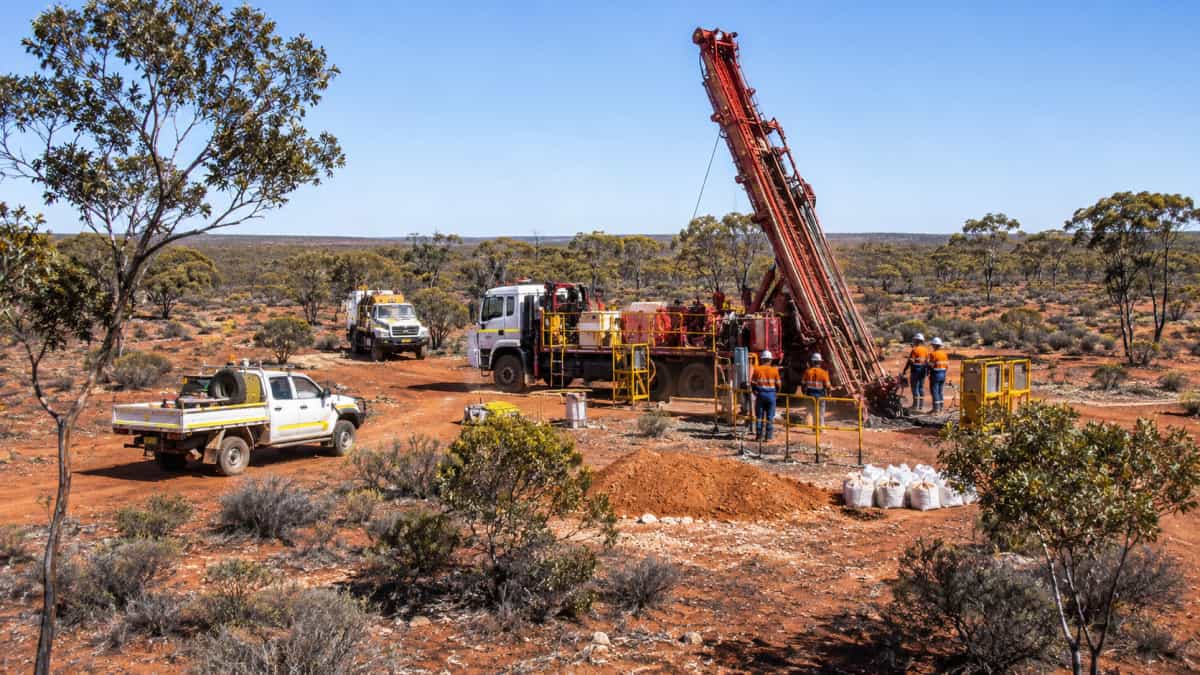
Kalgoorlie Gold finds volcanic rocks at Pinjin, but gold assays are pending
Lighthorse drilling targeted extensions beneath earlier high-grade hits, while Rebecca Sequence was tested for the first time beneath cover.
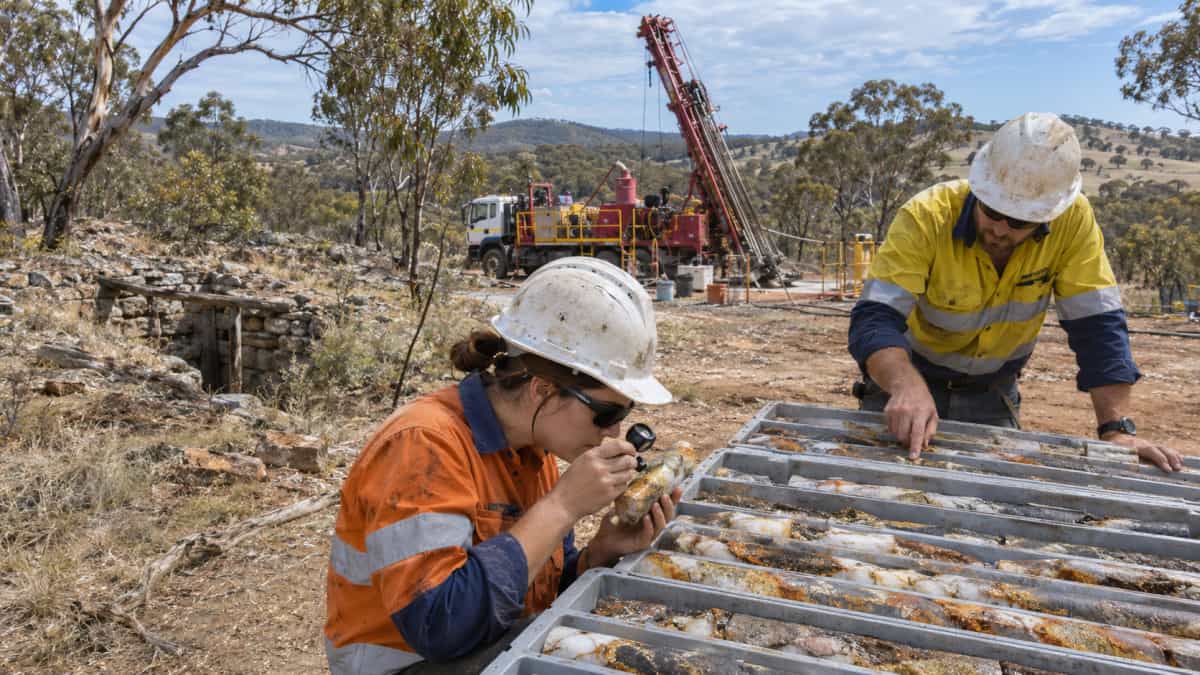
Argent Minerals finds gold beyond Trunkey Creek workings, but continuity is unproven
The first campaign has tested only the northern end of a 4.7-kilometre target, leaving the vein’s deeper geometry unresolved.
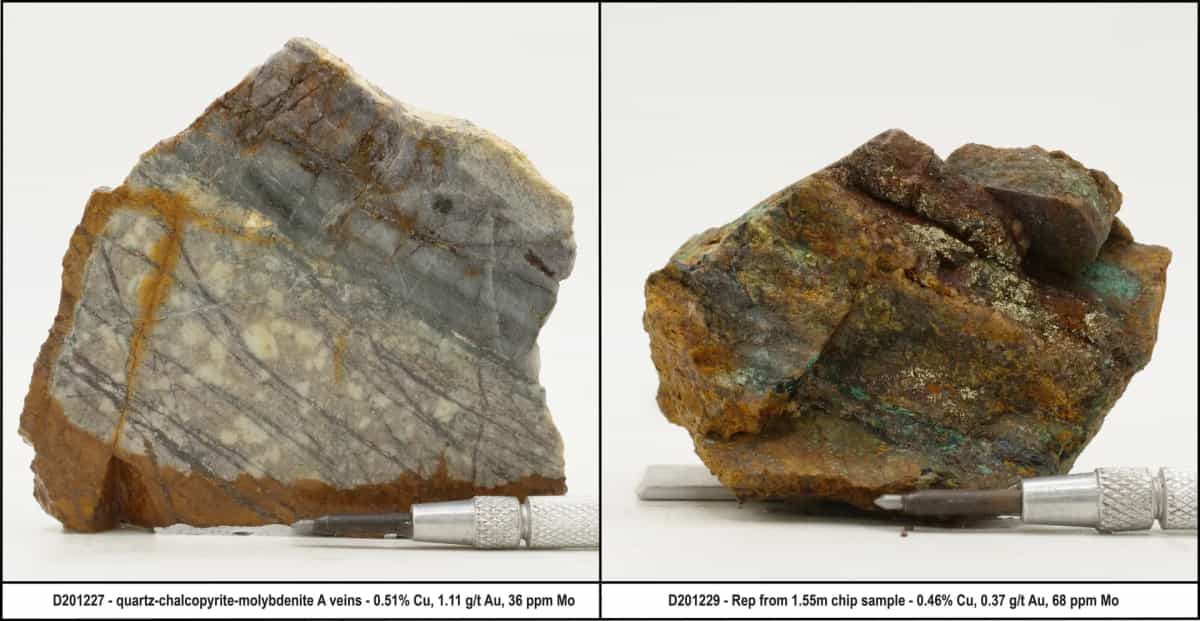
Brixton extends Catalyst at Thorn, while Sentinel’s porphyry footprint remains uncertain
Catalyst step-outs and a first test at a target 37 km from Camp Creek put two different exploration stages in the same campaign.